






The Myth of the Complicated Recipe
We have all been there. You find an exciting recipe online, ready to break the monotony of your weekly meals. But as you scroll through the ingredient list, your heart sinks. It calls for three different spices you do not own, a specific type of vinegar
you have never heard of, and a fresh herb you know will wilt in your fridge after a single use. This is the ingredient trap. Many modern recipes seem designed to expand our grocery bills rather than our skills. They push the idea that great flavour comes from complexity and novelty, leading to cluttered spice racks, half-used jars of expensive pastes, and a feeling that cooking on a budget is doomed to be bland. This approach is not only expensive but also unsustainable. It creates waste and discourages culinary improvisation, making us reliant on rigid instructions instead of our own intuition.
Thinking Like a Chef: What is a Flavour System?
Chefs and experienced home cooks know a powerful secret: incredible flavour does not come from having a thousand different ingredients, but from mastering a few key combinations. This is the essence of a 'flavour system'. Think of it as your kitchen’s signature toolkit—a reliable, versatile set of aromatics, spices, fats, and acids that work together to create a specific flavour profile. It is less about a rigid list and more about a strategic approach. The celebrated chef Samin Nosrat famously broke this down into four essential elements: Salt, Fat, Acid, and Heat. Mastering how these interact is the foundation of all good cooking. A flavour system builds on this by grouping complementary ingredients. For example, a basic Italian system might revolve around garlic, onion, olive oil, and tomatoes. A simple Indian system might use ginger, garlic, onions, and a core group of spices like turmeric, cumin, and coriander. By starting with this base, you can make a huge variety of dishes taste incredible without starting from scratch every time.
Your Kitchen’s Flavour Engine
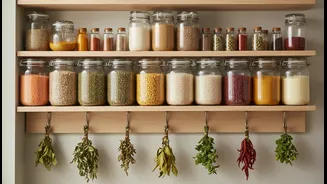
Building your own flavour system starts with identifying the tastes you love. You do not need dozens of spices; you need a few that work hard for you. A great starting point is to stock a core group of versatile aromatics like onions, garlic, and ginger. From there, choose a handful of dried spices that define a cuisine you enjoy. Smoked paprika, cumin, and oregano, for instance, can form a flexible base for everything from Mexican-inspired bean stews to roasted vegetables. For a South Asian feel, turmeric, ground coriander, and garam masala are essential. Don't forget fats and sauces. A good-quality olive oil, a neutral vegetable oil, soy sauce, and a couple of vinegars (like red wine and rice vinegar) provide a massive range of possibilities. These core items are far more economical in the long run than buying a new speciality ingredient for every meal. They become the reliable engine that powers your everyday cooking.
From Bland to Brilliant in Practice
Let’s see how this works with a humble, budget-friendly bag of lentils. Boiled in plain water, they are nutritious but forgettable. Now, apply a flavour system. Start by gently frying chopped onion, garlic, and carrot in oil until soft—this is a classic flavour base known as a mirepoix. Add a teaspoon of cumin and smoked paprika and toast them for a minute until fragrant. Now add your lentils and stock. Suddenly, you have a rich, smoky, and deeply savoury soup. Or, take that same bag of lentils and start by frying ginger, garlic, and onion. Add turmeric, coriander, and a pinch of cayenne. You are now on your way to a flavourful dal. The main ingredient is the same cheap pantry staple, but the flavour system completely transforms the outcome. This principle works for everything: potatoes, chicken, beans, and vegetables. Master the system, and you can make anything taste delicious.
The Finishing Touches That Matter
A flavour system is not just about the initial cooking process. The final step is often what brings a dish to life, and it usually involves acid. A meal that tastes flat or heavy can be instantly brightened with a squeeze of lemon or lime juice, or a small splash of vinegar. This acidic element cuts through richness and balances the other flavours, making everything taste more vibrant and defined. Think about the lime wedge served with Thai curry or the lemon served with fish. That is acid at work. Similarly, fresh herbs like coriander or parsley added just before serving can provide a burst of freshness. A final drizzle of a flavourful fat, like a good olive oil over a soup, can add a layer of richness. Learning to 'finish' your dishes with these simple, inexpensive touches is a key part of using a flavour system effectively and will elevate your budget cooking to a new level.