


The Modern Craze for Simplicity
The appeal is obvious. After a long day, the idea of a single pot, minimal cleanup, and a wholesome meal is a siren call for busy professionals and families. One-pot cooking has become a global phenomenon, celebrated for its efficiency and ability to
produce flavourful, nutritious meals with less effort. This method perfectly aligns with contemporary wellness goals, focusing on balanced meals, controlled ingredients, and a more mindful approach to eating. It’s a practical solution to the perennial question of 'what's for dinner?', promising maximum comfort for minimum fuss, which explains its growing popularity in urban Indian households facing the same time pressures as anywhere else in the world.
An Ancient Answer to a Modern Need
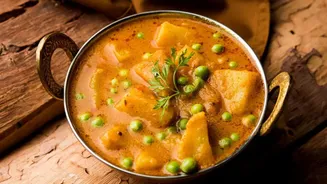
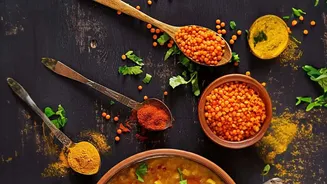
Long before the term ‘one-pot meal’ became a trendy hashtag, Indian kitchens had already mastered the art. For centuries, the subcontinent has been simmering rice, lentils, vegetables, and spices together in a single vessel. Dishes born from this philosophy are not just convenient; they are nutritionally complete and deeply ingrained in the cultural fabric. This tradition of one-pot cooking is arguably one of India's most durable culinary exports, a testament to a system that perfected the balance of taste, health, and practicality long ago. It’s a culinary heritage that feels tailor-made for the challenges of the 21st century.
Khichdi: The Ultimate Comfort Food
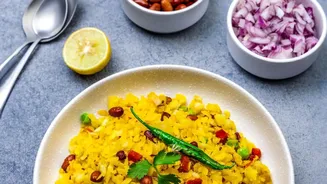
At the heart of this tradition is khichdi. Described by historians as one of India's most ancient and unchanged dishes, its name derives from the Sanskrit 'khiccā', meaning a dish of rice and pulses. Archaeological evidence traces it back at least 2000 years, and it earned mentions from ancient Greek envoys and Moroccan travelers. While it was a humble, everyday meal, it was also elevated in the imperial kitchens of the Mughals. More than just a meal, khichdi is a prescription. Recommended in Ayurveda as being easy to digest, it is often the first solid food given to babies and a restorative meal for the sick, cementing its status as India’s ultimate comfort food.
A Universe of One-Pot Wonders
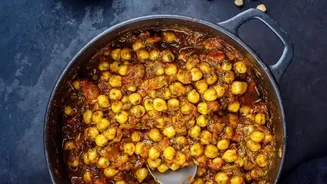
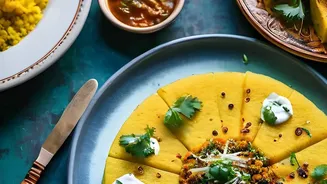
While khichdi is the most famous, it is far from the only star. The Indian one-pot universe is vast and varied. From Karnataka comes Bisi Bele Bath, which translates to 'hot lentil rice'. Believed to have originated in the royal kitchens of the Mysore Palace, this complex and spicy dish combines rice, lentils, vegetables, and a unique masala powder into a single, flavourful entity. Meanwhile, in Tamil Nadu, Ven Pongal is a beloved breakfast dish and festive offering. Similar to khichdi but distinct in its flavour profile, it is a creamy mixture of rice and moong dal, generously tempered with ghee, black pepper, and cumin. These regional masterpieces showcase how different cultures across India have adapted the one-pot concept to their local tastes and ingredients.
The Revival: Why Now?
The renewed interest isn't just about nostalgia. It’s a convergence of factors. The wellness movement has prompted a return to traditional, whole foods. Post-pandemic life has reinforced the value of home cooking. Modern chefs and influencers are championing indigenous ingredients and reviving forgotten recipes, presenting them in contemporary formats. Simultaneously, the food industry has recognized the operational genius of one-pot meals. For cloud kitchens and quick-service restaurants, these dishes are a dream: easy to standardize, cost-effective, and perfect for delivery, making them a smart and scalable business model.