


In cities across India, a quiet but flavourful revolution is taking place. Young professionals are turning away from mass-produced pickle jars and seeking out the authentic, punchy tastes of home, sourced directly from regional home chefs.
A Craving for Authenticity
For many young
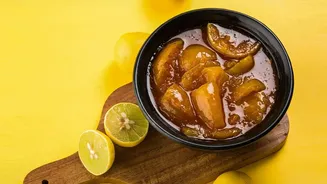
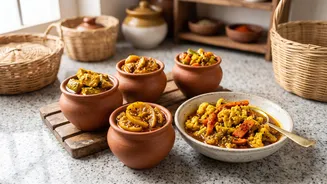
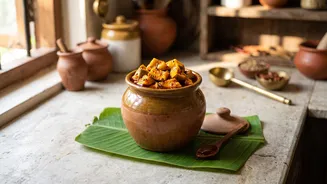
Indians living in bustling metros, the uniform taste of factory-made pickles fails to satisfy. There is a growing desire for the 'ghar ka swaad' (the taste of home) that can only be found in recipes passed down through generations. Home chefs, often leveraging their family's treasured and region-specific recipes, offer a direct line to this authenticity. Whether it's a fiery Avakaya from Andhra Pradesh, a sweet Chhundo from Gujarat, or a tangy garlic pickle from Tamil Nadu, these small-batch creations promise a flavour profile that is impossible to mass-produce. This shift represents a rejection of standardised products in favour of unique culinary stories, where every jar has a distinct origin and a personal touch.
The Nostalgia Factor
Beyond taste, pickles are potent vessels of memory and emotion. For millennials and Gen Z who have moved away from their hometowns for work or education, a familiar pickle is a comforting, tangible link to their roots. It’s a flavour that can instantly transport them back to childhood summers and family meals. Home chefs are tapping into this deep-seated nostalgia, offering not just a condiment, but an experience of comfort and belonging. This emotional connection is a powerful driver, making the purchase more than just a transaction; it's an act of reclaiming a piece of home in a new city.
Health, Hygiene, and Trust
Today's younger consumers are more conscious than ever about what they eat. There's a growing scepticism towards the long ingredient lists and artificial preservatives found in many commercial food products. Homemade pickles, typically made with natural preservatives like salt, oil, and spices, are seen as a healthier and safer alternative. There is an inherent trust placed in a home chef, who is often perceived as being more transparent and careful about ingredients and hygiene than a large, faceless corporation. This quest for 'clean-label' and trustworthy food sources is a significant factor pushing urban dwellers towards these small-scale producers.
The Rise of Social Commerce
This trend wouldn't be possible without the rise of the direct-to-consumer (D2C) model, powered by social media. Platforms like Instagram and WhatsApp have become the new marketplace, allowing home chefs to build a brand, showcase their products, and connect directly with customers without the need for significant capital. A homepreneur in Bihar or a homemaker in Madhya Pradesh can now reach customers in Delhi or Mumbai with just a few clicks. Their sons, daughters, or nephews often handle the digital marketing, creating social media pages and running ads that find their target audience with remarkable efficiency. This digital ecosystem empowers small businesses, especially those run by women, and gives consumers access to a variety of regional products that would never appear on a supermarket shelf.
Supporting Small and Local
Choosing to buy from a home chef is also a conscious consumer choice. Many young people are motivated by a desire to support small, local businesses and the creator economy. They see it as a way to empower individuals, often women who have turned their culinary skills into a source of income and independence. Stories of homemakers building successful businesses from their kitchens resonate strongly with a generation that values entrepreneurship and community impact. By purchasing directly, consumers know their money is supporting a person and their family, adding a layer of ethical satisfaction to their purchase that large retail chains cannot offer.