






Understanding the Seasonal Squeeze
Every year, during peak seasons like summer holidays, Diwali, or after major exams, securing a confirmed train ticket can feel like winning a lottery. Indian Railways operates a vast network, but demand on popular routes—connecting major cities like Mumbai,
Delhi, and Bengaluru to states like Uttar Pradesh, Bihar, and West Bengal—often outstrips the supply of seats on regularly scheduled trains. This massive rush leads to waitlists running into the hundreds and opens the door for dynamic or 'flexi-fare' pricing on premium trains, causing ticket costs to skyrocket. This is where many families end up paying significantly more than the base fare, simply to ensure their children get home.
The Solution: Special Fare Trains
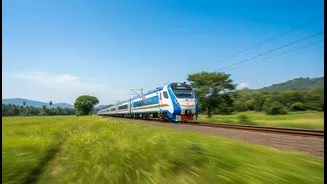
To manage this predictable surge in passenger traffic, Indian Railways runs thousands of 'Special' or 'Special Fare' trains. These are temporary services added to high-demand routes specifically to clear the extra rush. For summer 2026, for instance, Indian Railways announced over 18,000 special train trips to connect key destinations. These trains are not part of the regular timetable and are announced as needed, often just a few weeks or even days in advance. While their fares might be slightly higher than a regular mail/express train's base fare, they are often cheaper than the Tatkal quota or the dynamically priced tickets on premium trains, making them a cost-effective alternative.
How to Find These Special Trains
Finding these trains requires a bit of vigilance, as they don't appear in standard searches months in advance. The most reliable sources are official Indian Railways channels. The IRCTC Rail Connect app and the official website (irctc.co.in) are the primary platforms for booking. You can also monitor the National Train Enquiry System (NTES) website and app for real-time information. Additionally, the official social media accounts of zonal railways (like Central Railway, Northern Railway, etc.) and press releases on the Press Information Bureau (PIB) website are excellent sources for new announcements. For example, recent announcements in July 2026 detailed new weekly specials between Veraval and Haridwar and services for the Puri Rath Yatra.
A Smart Booking Strategy
Once you know where to look, the next step is booking successfully. First, identify the peak travel window for your route. If you're travelling from Pune to Patna for the summer, start checking for special train announcements daily, a few weeks before your intended travel date. Keep your IRCTC account details, passenger names, and ages saved for a quick checkout. When booking opens, log in a few minutes early. Use faster payment methods like UPI to complete the transaction quickly, as seats on these trains fill up in minutes. Be flexible with your travel date by a day or two; a Tuesday departure might have better availability than a Friday one. Also, check for trains from nearby major stations, not just your primary one, as this can open up more options.
Avoiding Common Pitfalls
The biggest mistake is waiting for regular train waitlists to confirm. By the time you give up hope, special train tickets may also be gone. Start tracking special services as a parallel option. Another pitfall is the priority of these trains. Special trains sometimes get lower operational priority than superfast or Rajdhani trains, which can lead to delays. Factor in some buffer time in your travel plans. Lastly, be aware of the fare structure. 'Special Fare' trains have a distinct fare, which is different from 'Suvidha' or premium trains that use a dynamic pricing model where fares increase with demand. The goal is to book a 'Special Fare' train, not a dynamically priced one, to maximize savings.