





A Different Kind of Travel Clock
Most travel plans are built around static points on a map: forts, museums, or famous beaches. But what if your itinerary was guided by a more dynamic force? Planning a trip around birdwatching seasons allows you to experience India at its most vibrant,
following the great rhythms of migration, breeding, and nesting. This approach swaps crowded attractions for serene landscapes and connects you with the pulse of the natural world. Instead of asking "where should I go?," the question becomes "what is happening in nature right now?" It's a chance to witness spectacular natural events, from vast flocks of waterfowl arriving in winter to the colourful displays of resident birds in their summer breeding plumage.
Winter: A Symphony of Wings
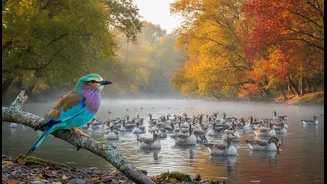
The period from November to February transforms India into a haven for winged travellers from as far as Siberia, Central Asia, and Europe. The country's wetlands, lakes, and coastal lagoons become bustling hubs for hundreds of migratory species. Keoladeo National Park in Bharatpur, Rajasthan, a UNESCO World Heritage Site, is arguably the most famous destination, hosting over 370 species, including painted storks and bar-headed geese. Further east, Odisha's Chilika Lake, Asia's largest brackish water lagoon, welcomes over a million birds, with flamingos and pelicans creating a breathtaking spectacle. In Gujarat, the Little Rann of Kutch and the Nal Sarovar Bird Sanctuary become critical stopovers, where you can see massive flocks of flamingos, common cranes, and various ducks against a stark, beautiful landscape.
Summer: Himalayan Heights and Forest Jewels
While summer (March to June) brings heat to the plains, it marks the prime breeding season for many of India's resident birds and a fantastic time for birding in the cooler, higher altitudes. The Himalayan foothills in states like Uttarakhand and Himachal Pradesh come alive with activity. Destinations like Pangot and Sattal, near Nainital, become hotspots for spotting colourful pheasants, woodpeckers, and a variety of flycatchers. The Western Ghats also offer incredible summer birding. In Kerala, sanctuaries like Thattekad and Periyar are lush and active, providing opportunities to see endemic species like the Malabar trogon and the great Indian hornbill. This season is less about massive flocks and more about witnessing intimate behaviours like courtship displays and nesting.
Monsoon: A Time of Rebirth and Residence
The monsoon (July to October) might seem like an unconventional time for travel, but for birdwatchers, it offers unique rewards. Many national parks close their core zones, but buffer areas and specific sanctuaries remain open and are incredibly lush. This is the nesting season for many resident waterbirds. At Ranganathittu Bird Sanctuary in Karnataka, islets on the Kaveri River become crowded with nesting colonies of painted storks and black-headed ibis. In Kerala, Thattekad Bird Sanctuary, also known as Salim Ali Bird Sanctuary, is vibrant with activity, offering chances to spot the Sri Lanka frogmouth and Indian pitta. Keoladeo National Park in Rajasthan also provides excellent monsoon viewing, as resident birds like herons and egrets are in their breeding prime. It’s a time of rich greenery and intense avian activity for those willing to embrace the rain.
Getting Started on Your Avian Adventure
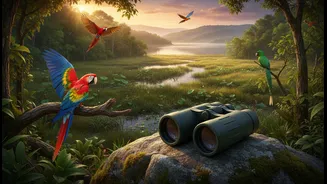
Planning a birdwatching trip is simpler than it sounds. Start by picking a season that interests you. Invest in a decent pair of binoculars and a good field guide—there are excellent books and apps available that cover the birds of the Indian subcontinent. For a richer experience, consider hiring a local guide. Their trained eyes and ears can reveal species you would easily miss on your own, and they provide invaluable knowledge about the local ecosystem. Most importantly, practice responsible tourism. Stick to designated trails, maintain a respectful distance from the birds, and avoid using flash photography or playback calls that can disturb them. The goal is to observe and appreciate nature without causing a disruption.