



1. Zermatt
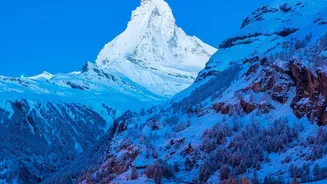
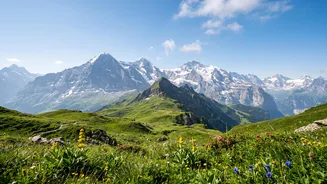
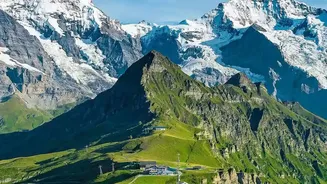
The allure of Zermatt is singular: the Matterhorn. This iconic peak makes the car-free village a bucket-list destination for skiers, hikers, and sightseers. The catch is that everyone wants the same pristine view. Crowds peak during the ski season from
December to March and the hiking season from July to August. This demand sends accommodation and lift ticket prices soaring; a summer Gornergrat railway ticket can be significantly more expensive than a winter one. For instance, a return trip on the Gornergrat railway can be around 30 CHF cheaper in winter. A 7-day lift pass can cost upwards of 430 CHF. The smart strategy is to visit during the shoulder seasons of June or September. You get pleasant weather, fewer people, and hotel rates that can be 25-40% lower. If you must visit during peak times, book the first lift of the day to enjoy the main viewpoints before the day-trippers arrive around 11 a.m.
2. Jungfrau Region (Interlaken & Grindelwald)
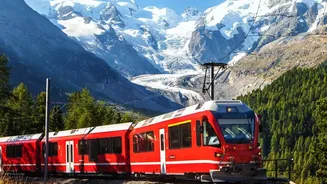
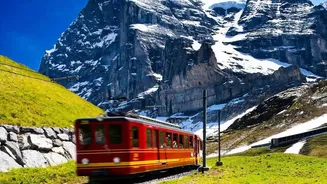
As the gateway to the 'Top of Europe', the Jungfrau Region, including towns like Interlaken and Grindelwald, is arguably the most visited mountain destination in Switzerland. Over a million visitors head to the Jungfraujoch annually, with visitor numbers from India, the USA, and Southeast Asia steadily rising. This popularity creates queues for mountain railways and intense competition for hotels, especially in July and August. The network of expensive mountain railways is a primary cost driver, with a trip to the Jungfraujoch costing between 97 and 195 CHF. A smart strategy involves basing yourself in a less central village like Lauterbrunnen, where accommodation can be 20-40% cheaper than in Grindelwald. Also, a Swiss Travel Pass or Half Fare Card can cut many transport costs by up to 50%, making it a crucial investment. Visiting on a weekday rather than a weekend can also dramatically reduce the feeling of being overcrowded.
3. Lucerne
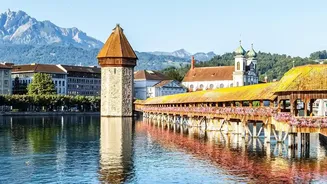
With its medieval Chapel Bridge, stunning lake, and proximity to mountains like Pilatus and Rigi, Lucerne is a tourist magnet. The city is compact, and during the peak summer months of June to August, the Old Town and lakefront promenade become densely packed with tour groups. This is when hotel prices reach their peak; a room that costs under 200 CHF in the off-season can easily exceed 350 CHF in summer. The most affordable times to visit are the shoulder seasons of late April to early June or September and October, when crowds thin and accommodation prices drop. If your schedule is fixed for summer, a good strategy is to book hotels in adjacent suburbs like Horw or Meggen, which offer significantly better value and are a short bus ride from the centre. Also, explore the main sights early in the morning or later in the afternoon to avoid the midday rush of day-trippers.
4. Zurich
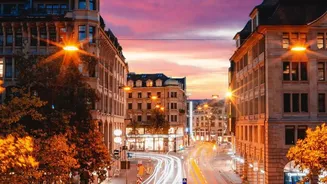
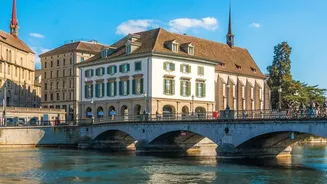
As Switzerland's largest city and a major international travel hub, Zurich is a common entry point for many tourists. Its beautiful Old Town, lakefront, and world-class museums make it more than just a financial centre. Crowds and prices are highest in the summer, coinciding with warm weather perfect for swimming in the lake. While it's one of Europe's most expensive cities, costs can be managed. Mid-range hotels typically cost between 150 and 300 CHF per night, which is often slightly less than in Geneva. The smart strategy for budget-conscious travellers is to leverage the city's supermarkets like Coop and Migros for picnics by the lake, a common local practice that saves significantly on restaurant bills. For transport, a Zurich Card can be cost-effective if you plan on visiting multiple museums. Visiting just outside the peak months, in May or September, provides a balance of good weather and more reasonable prices.
5. Geneva
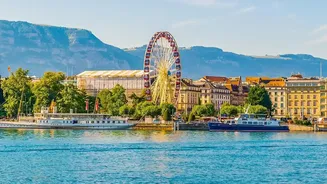
Geneva's identity as a global hub for diplomacy, home to the UN and Red Cross, combined with the stunning beauty of Lake Geneva and the iconic Jet d'Eau, ensures a steady stream of visitors. The city feels most crowded during major international conferences and the peak summer months. It is often perceived as one of Switzerland's most expensive cities, with mid-range hotels potentially costing more than in Zurich. However, Geneva has a unique advantage: every visitor staying in a hotel receives a free public transport card, covering trams, buses, and even local boats. This significantly reduces daily costs. A savvy strategy is to stay in Geneva but take advantage of its proximity to France; nearby French towns like Annemasse offer groceries and dining at prices 30-40% lower than in Switzerland. This allows you to enjoy the high-end Swiss city while managing your budget effectively.