




A Culinary Pilgrimage
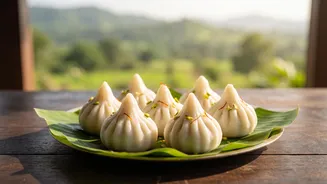
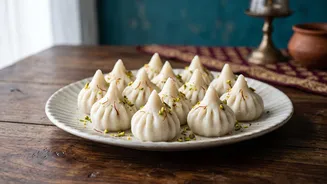
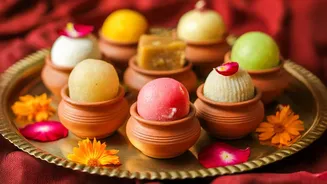
At the heart of the Ganpati festival is the food. It's an offering, a celebration, and a language of devotion understood by all. The undisputed star is the modak, a sweet dumpling said to be Lord Ganesha's favourite. In Maharashtrian homes, families gather
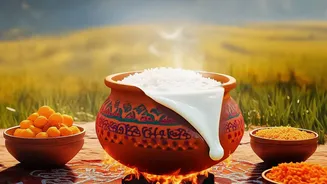
to make ukadiche modak—steamed rice-flour parcels filled with a fragrant mixture of fresh coconut and jaggery. But the festive platter extends far beyond this single sweet. There's puran poli, a soft flatbread stuffed with a sweet lentil filling, and various kinds of ladoos that grace the prasad thali. In South India, a savoury chickpea salad called sundal is a common offering. These dishes aren't just recipes; they are heirlooms, passed down through generations, each with its own story. The act of preparing and sharing this food becomes a ritual in itself, connecting families and communities in a shared culinary experience.
On the Road for Bappa
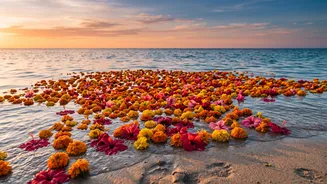
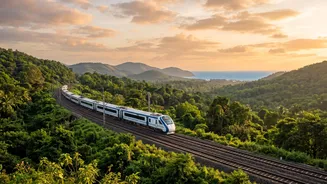
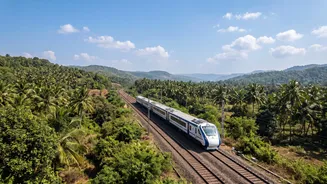
Just as food is central to the festival, so is travel. For many, Ganesh Visarjan prompts a pilgrimage. People travel hundreds of kilometres to return to their ancestral villages or to witness the grand-scale celebrations in major hubs. Mumbai is synonymous with the grandest festivities, with millions flocking to see the immersion processions at Girgaon Chowpatty and Juhu Beach. The farewell journey of the famed Lalbaugcha Raja is an event in itself, drawing crowds from across the nation. Pune, with its deep historical roots, offers a more traditional but equally energetic experience, its streets alive with disciplined processions and the powerful rhythm of dhol-tasha bands. But the fervour is not limited to Maharashtra. Hyderabad hosts one of the country's largest Ganesha idols, and its immersion procession at Hussain Sagar Lake is a breathtaking spectacle. Even in Goa, the festival, known as 'Chovoth', takes on a unique flavour, blending Konkani traditions with scenic immersions at its famous beaches.
The Pandal Trail: A Feast for the Senses
The travel experience during the festival isn't just about reaching a destination; it's about the journey through the city streets. Pandal-hopping is a quintessential part of the celebration, and it often doubles as a food trail. The areas around famous pandals transform into bustling hubs of street food. In Mumbai, stalls selling everything from vada pav and bhelpuri to misal pav and samosas do brisk business, offering delicious fuel for devotees who spend hours on their feet. This temporary economy provides a significant boost to small vendors and local eateries. The visarjan procession itself becomes a moving feast. Communities often organize stalls to distribute free food and water to the crowds, turning the farewell into an act of collective service and hospitality. It’s a time when the spiritual and the gastronomic are completely intertwined, and exploring a city’s festive spirit means tasting it, one street-side snack at a time.
New Narratives for an Ancient Tradition
The convergence of food, travel, and faith during Ganesh Visarjan has found a powerful new medium in the digital age. Food bloggers, travel vloggers, and Instagrammers now flock to festival hotspots, documenting every detail from the making of modaks to the final immersion. Their stories and videos capture the vibrant energy of the celebrations, sharing it with a global audience. This modern form of storytelling is not just about aesthetics; it's about preservation. By showcasing hyper-local traditions, unique family recipes, and the sheer scale of the festivities, these creators are building a living archive of one of India's most cherished cultural events. They amplify the stories that have always been there—the journey home for the festival, the secret ingredient in a grandmother's puran poli, the unmatched energy of a visarjan crowd—and ensure they resonate with a new generation, keeping the spirit of the festival alive and evolving.