





Ready to get the most out of your shadow boxing workout? Skipping the warm-up is a common mistake that can lead to injury and poor performance. A proper warm-up prepares your body for the intense, full-body movement of boxing.
Why Warming Up Is Non-Negotiable
A good warm-up is more than
just a formality; it's a crucial component for both safety and performance. The primary goal is to gradually raise your heart rate and increase your core body temperature. This process increases blood flow to your muscles, making them more pliable and less prone to strains or tears. It also lubricates your joints and primes your nervous system, improving coordination and reaction time. Studies and seasoned coaches agree that dynamic warm-ups, which involve active movement, are superior to holding static stretches before a workout. A proper warm-up routine, typically lasting 10-15 minutes, ensures your body is physically and mentally ready for the demands of shadow boxing.
Phase 1: General Cardio
The first step is 3-5 minutes of light aerobic activity to get your blood pumping. The classic choice for boxers is jumping rope. It’s a fantastic tool for increasing your heart rate while simultaneously improving coordination, rhythm, and footwork. If you're not comfortable with a rope, don't worry. You can get the same benefits from jogging in place, doing jumping jacks, or high knees. The goal isn't to exhaust yourself, but to gently elevate your body temperature and wake up your cardiovascular system.
Phase 2: Dynamic Stretches and Mobility
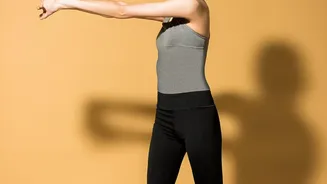
Once you're warm, focus on dynamic movements that take your joints through their full range of motion. This is vital for a sport that involves so much rotation and rapid movement. Spend 3-5 minutes on this phase. Key exercises include arm circles (both forward and backward), torso twists to engage your core and back, and hip circles to prepare for rotational power. Leg swings, both front-to-back and side-to-side, are excellent for loosening up your hips and hamstrings. Also include movements for smaller joints, like wrist and ankle circles, as these are heavily involved in punching and footwork.
Phase 3: Muscle Activation
Activation drills are targeted, low_intensity exercises designed to 'switch on' the specific muscles you'll be using heavily. For boxing, this means focusing on the shoulders, hips, and core. Simple bodyweight movements are very effective here. Glute bridges, for instance, activate the powerful muscles in your backside that are essential for generating force. Planks are great for bracing your core. For shoulders, exercises like band pull_aparts (if you have a resistance band) or simple wall presses can help prepare the rotator cuff for the stress of punching. This phase helps ensure that the correct muscles are firing properly from your very first punch.
Phase 4: Sport_Specific Movement
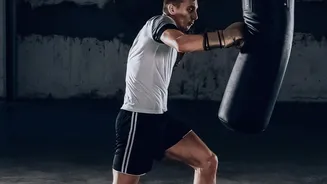
The final part of your warm_up should directly mimic the activity you're about to perform. For shadow boxing, this means… more shadow boxing, but at a very low intensity. Spend 2–3 minutes moving around, practising your footwork, and throwing punches at about 25–50% of your normal speed and power. Start with just your jab and footwork, then gradually add in your cross, hooks, and uppercuts. This not only completes the physical warm_up but also serves as a mental dress rehearsal, allowing you to focus on your technique before the main workout begins.