

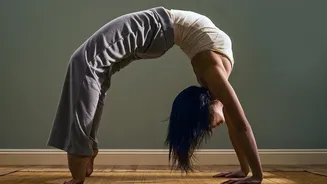
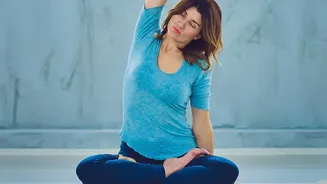
Why Yoga Works Wonders for Flexibility
Flexibility is not about twisting yourself into a pretzel; it is about improving your functional range of motion for daily activities like bending, reaching, and lifting without strain. Modern life, often spent sitting at desks or in cars, can lead to tight
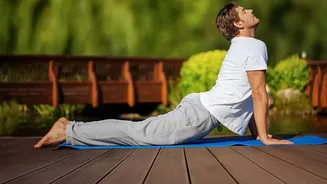
muscles and stiff joints. Yoga offers a gentle yet powerful solution. It works by combining physical postures with mindful breathing. The poses, or asanas, stretch your muscles and the connective tissues around them. Holding these stretches allows the muscles to relax and lengthen gradually. In one study, participants improved their flexibility by up to 35% after eight weeks of regular yoga. Consistent practice increases blood flow, warms up muscles, and improves the mobility of your joints, leading to better posture and a reduced risk of injury. It's a holistic approach that builds not just a more flexible body, but a more resilient one.
Cat-Cow Pose (Marjaryasana-Bitilasana)
This is a perfect warm-up pose for the spine and one of the most accessible for beginners. The gentle, flowing movement between two positions helps to increase spinal flexibility, relieve tension in the back and neck, and gently stimulate your abdominal organs. To begin, position yourself on all fours, with your hands directly under your shoulders and your knees under your hips. As you inhale, drop your belly towards the floor, lifting your chest and tailbone to create an arch in your back for Cow Pose. As you exhale, reverse the movement by rounding your spine towards the ceiling, tucking your chin to your chest for Cat Pose. Continue to flow between these two poses for about a minute, synchronizing the movement with your breath to calm the mind and prepare the body.
Downward-Facing Dog (Adho Mukha Svanasana)
Arguably the most iconic yoga pose, Downward-Facing Dog is a fantastic full-body stretch. It strengthens the arms and legs while lengthening the hamstrings, calves, and spine. To get into the pose from all fours, tuck your toes, lift your knees off the floor, and press your hips up and back, forming an inverted 'V' shape with your body. Beginners often have tight hamstrings, so it is important to keep your knees bent to maintain a long, straight spine. You can 'pedal' your feet, alternately bending one knee and then the other, to gently stretch each calf. This pose helps to improve circulation, relieve back pain, and stretch the shoulders, making it a cornerstone of most yoga practices.
Seated Forward Bend (Paschimottanasana)
This pose offers a deep stretch for the entire back of the body, from your heels to your head, specifically targeting the hamstrings and lower back. Sit on the floor with your legs extended straight in front of you. If you have tight hamstrings, it can be helpful to sit on the edge of a folded blanket to elevate your hips. Inhale to lengthen your spine, and as you exhale, hinge forward from your hips, not your waist. Walk your hands forward as far as is comfortable. Don't worry about touching your toes; the goal is to feel a good stretch without pain. You can use a strap around your feet to help you gently deepen the stretch while keeping your spine long. This pose is also known for its calming effect on the nervous system.
Child's Pose (Balasana)
Child's Pose is a resting posture that offers a gentle stretch for the hips, thighs, and lower back. It is a great pose to return to at any point during your practice if you need a moment to rest and reconnect with your breath. From an all-fours position, bring your big toes to touch, spread your knees wide, and sink your hips back towards your heels. Fold your torso forward between your thighs and rest your forehead on the mat. You can extend your arms forward or rest them alongside your body with the palms facing up. This restorative pose helps to release tension in the back and shoulders and promotes a sense of calm and relaxation.
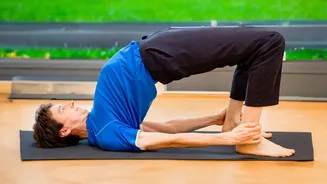
Bridge Pose (Setu Bandhasana)
Bridge Pose is a gentle backbend that stretches the front of the body—the chest, neck, and spine—while also strengthening the back, glutes, and hamstrings. Lie on your back with your knees bent and feet flat on the floor, hip-width apart. You should be able to just touch your heels with your fingertips. As you inhale, press through your feet and lift your hips off the floor. Keep your thighs parallel and your chin lifted away from your chest. This pose is excellent for opening up the chest and shoulders, which can become tight from slouching, and it helps to counteract the effects of prolonged sitting.