




Why Seated Rows Are a Back Day Essential
The seated row is a compound exercise, meaning it works multiple muscle groups at once, making it highly efficient. The primary targets are the large muscles of the back, including the latissimus dorsi (lats), which create back width, and the rhomboids
and middle trapezius, which are crucial for thickness and posture. By pulling weight horizontally, you directly counteract the slumped-forward posture many develop from sitting at desks, strengthening the muscles that pull your shoulder blades back and down. This not only improves your silhouette but also enhances shoulder health and stability. The biceps and forearms also get a workout, assisting in the pulling motion and improving grip strength.
Perfecting Your Form for Maximum Gains
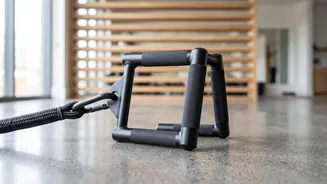
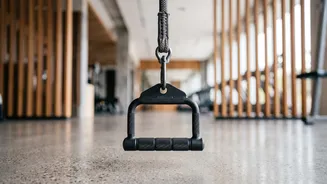
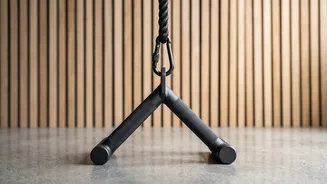
To get the most out of the exercise and avoid injury, proper form is non-negotiable. Sit tall on the bench with your feet planted, knees slightly bent, and your chest up. As you pull the handle towards your torso, think about driving your elbows back, keeping them close to your body. The key is to initiate the movement by squeezing your shoulder blades together. Avoid the common mistake of using momentum by swinging your torso; your back should remain stable and upright. A controlled movement is crucial—pull steadily, pause for a second at the peak of the contraction to squeeze your back muscles, and then slowly return the weight to the starting position over two to three seconds.
The Science of Growth: Stress and Repair
Strength training builds muscle through a process of stress and repair. A challenging workout creates microscopic tears in your muscle fibres. In response, your body initiates a repair process, not just fixing the damage but adapting by making the muscle fibres thicker and stronger to handle future stress. This is called hypertrophy. However, this growth doesn't happen while you are lifting; it happens when you are resting. Training a muscle group again before it has fully recovered can interrupt this crucial rebuilding phase, blunt your strength gains, and significantly increase your risk of injury.
How Much Rest Do You Really Need?
For large muscle groups like the back, which are put under significant stress during heavy rowing sessions, the general guideline for recovery is 48 to 72 hours. This means if you have an intense back workout on Monday, you should wait until at least Wednesday, and preferably Thursday, before training your back with the same high intensity again. Soreness can be a guide, but it's not the full story; muscle strength can take a few days to return to normal even after the initial soreness has faded. Factors like your training experience, sleep quality, nutrition, and overall stress levels also influence your personal recovery timeline. Beginners or those returning from a break may find they need more recovery time initially.
Warning Signs of Inadequate Recovery
Overtraining occurs when the stress from your workouts consistently outpaces your body's ability to recover. Key signs include persistent muscle soreness that doesn't go away after 72 hours, a plateau or even a decrease in your strength, and lingering joint pain. Other signals can be more subtle, such as disrupted sleep, an elevated resting heart rate in the morning, increased irritability, or getting sick more often. If your workouts consistently feel harder than they should, or you lose motivation to train, your body may be telling you it needs more rest.
Smart Strategies for Active Recovery
Recovery doesn't always mean lying on the couch. Active recovery, which involves low-intensity movement, can be highly beneficial on your days off. Activities like walking, light cycling, swimming, or gentle yoga can increase blood flow to your muscles. This helps deliver nutrients and flush out metabolic byproducts, potentially reducing soreness and speeding up the repair process without adding more stress to the body. A 20% to 30% minute session of light cardio or a mobility routine focusing on dynamic stretches can make a significant difference in how you feel and perform in your next challenging session.