





A Perfect Trifecta for Stargazing
Spiti Valley's reputation as a premier destination for astrophotography isn't a coincidence; it's the result of a rare convergence of three powerful factors: high altitude, a dry climate, and profound darkness. Most of the valley sits at an average elevation
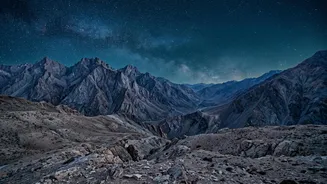
of over 12,500 feet (around 4,000 metres), placing it above the thickest, haziest part of the Earth's atmosphere. This elevation, combined with its location in the rain-shadow region of the Himalayas, means the air is exceptionally dry with over 250 clear nights a year. This lack of humidity and cloud cover results in crystal-clear skies, a crucial element for capturing sharp, detailed images of the cosmos.
The Advantage of High Altitude
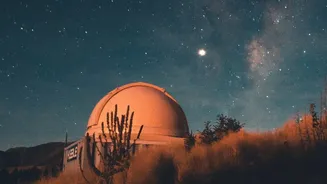
Shooting from a high altitude provides a significant advantage for any sky-watcher or photographer. The air is thinner, meaning there are fewer atmospheric particles to scatter and distort starlight. Think of it like looking at an object at the bottom of a murky pool versus a clear one; the less 'stuff' the light has to travel through, the sharper the image appears. Professional observatories are often built at high altitudes for this very reason. In Spiti, this translates to less atmospheric turbulence, or 'seeing' as astronomers call it, allowing for views of planets, stars, and distant galaxies with remarkable clarity.
The Luxury of Zero Light Pollution
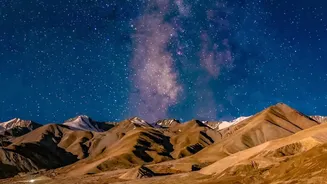
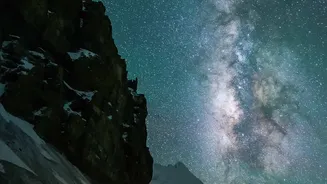
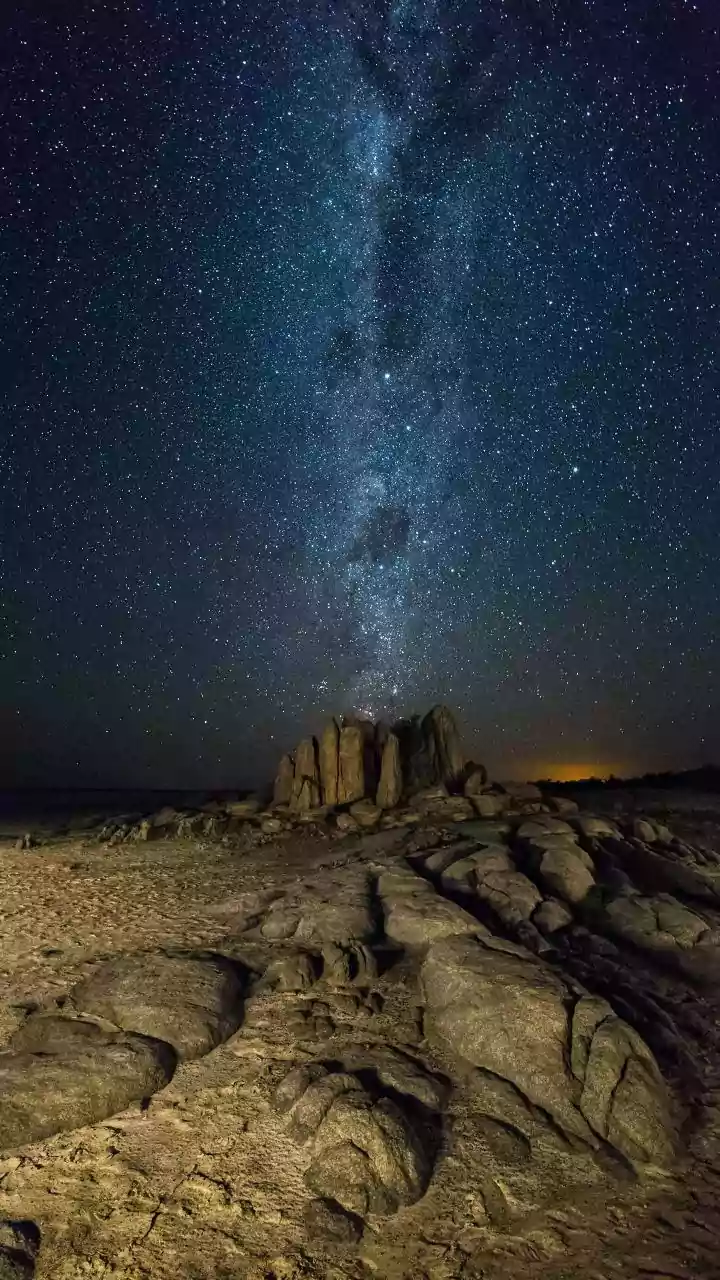
For photographers, Spiti's greatest asset is its almost complete lack of artificial light pollution. Far from any major cities, the remote villages of Spiti, such as Langza, Komic, and Kibber, have minimal outdoor lighting. After 9 p.m., these areas plunge into a profound darkness that most people have never experienced. This pristine darkness is rated as Bortle Class 1 or 2, the darkest possible classification, similar to designated dark-sky reserves like Hanle. Under these conditions, the Milky Way is not a faint, hazy cloud but a brilliant band of light bright enough to be seen with the naked eye and even cast a faint shadow. The Andromeda Galaxy, 2.5 million light-years away, can also be spotted without a telescope.
What Are 'Heavy Filters' Anyway?
In most parts of the world, astrophotographers rely on special 'light pollution' filters to capture the night sky. These filters are designed to block the specific wavelengths of light emitted by artificial sources like sodium and mercury-vapour streetlights, which create an orange or greyish 'skyglow' in images. By cutting out this unwanted light, the filter enhances the contrast between the celestial object and the background sky. However, these filters can also subtly alter the natural colours of stars and nebulae. Because Spiti's skies are naturally free from this pollution, photographers don't need to use these heavy filters. This allows them to capture the cosmos in its true colours, with more light from the subject hitting the camera sensor, resulting in cleaner and more vibrant deep-space images.
A Celestial Playground for Photographers
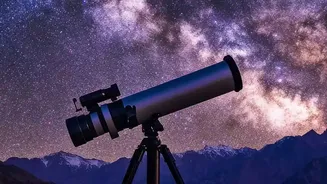
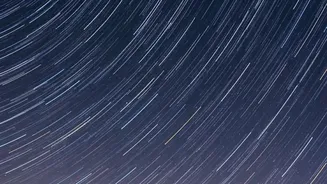
The combination of these factors makes Spiti a true playground for photographers. Without the need for corrective filters, they can use simpler setups to capture a stunning array of deep-space objects. The bright core of the Milky Way is a primary target during the summer months from April to September. Star trails, meteor showers, and vivid constellations are all easily photographed against the backdrop of ancient monasteries and dramatic Himalayan peaks. Villages like Langza, with its iconic Buddha statue, and Chandratal Lake, known as the 'Moon Lake', offer breathtaking foregrounds that transform a simple star photo into a powerful, story-driven image.