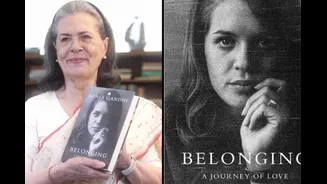






In a recent, heartfelt conversation, Sonia Gandhi offered a rare glimpse into her family's festive traditions, placing a cherished culinary heirloom at the centre: Kashmiri sweet rice. This simple mention unlocks a story of heritage and memory.
A Memory Steeped in Sweetness
In a video
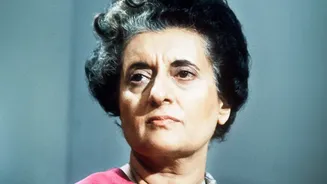
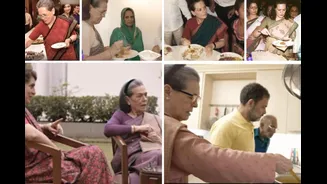
shared just days ago, Sonia Gandhi, accompanied by her daughter Priyanka Gandhi Vadra, reminisced about Diwali celebrations at her late mother-in-law Indira Gandhi’s residence. Amid memories of lighting diyas and the clear blue skies of yesteryear, she shared a specific culinary detail that has stood the test of time. 'On festivals, we always used to have Kashmiri food and that sweet rice, like that, which we still make, by the way,' she recalled. This simple statement, a thread pulled from the fabric of family life, highlights how deeply food is woven into their sense of occasion and identity, a tradition that continues to grace their table today.
Decoding 'That Sweet Rice'
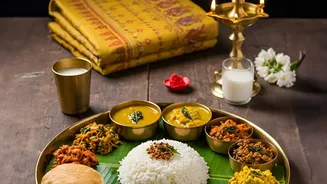
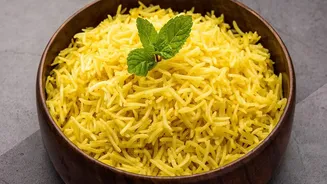
While Sonia Gandhi didn't name the dish, the description points towards a beloved Kashmiri classic, likely Modur Pulav or Zarda. Known more commonly across North India as Meethe Chawal, this celebratory dish gets its name 'Zarda' from the Persian word for 'yellow', a nod to the golden hue imparted by precious saffron threads. It’s a dish that sings of festivity. Long-grained Basmati rice is cooked in ghee with sugar, and perfumed with aromatic spices like green cardamom and cloves. The final creation is studded with a generous helping of nuts and dry fruits like almonds, cashews, and raisins, making it a rich, fragrant, and truly special centrepiece of a festive meal.
A Direct Link to Heritage
The choice of Kashmiri cuisine is far from incidental; it is a direct nod to the Nehru family's heritage as Kashmiri Pandits. This culinary tradition, maintained in Indira Gandhi’s household, served as a living connection to their ancestral roots. For a family that has played such a central role in India's national story, preserving these specific cultural practices becomes a way of holding onto a personal and historical identity. The sweet rice is more than just a preference; it's a taste of home, a flavour of lineage passed down through generations, from the valleys of Kashmir to the heart of New Delhi.
Food as a Vessel for Tradition
Sonia Gandhi’s comment 'which we still make' is particularly telling. It speaks to the power of food to act as a vessel for memory and continuity. In families everywhere, recipes are heirlooms, passed down not on paper but through practice in the kitchen. They carry stories of loved ones, of celebrations past, and of a collective identity. For the Gandhis, preparing this Kashmiri dish is a ritual that transcends the meal itself. It’s an act of remembrance, a way of keeping the presence of previous generations alive at the festive table and ensuring that a piece of their specific cultural history endures for the next generation.
A Personal Culinary Journey
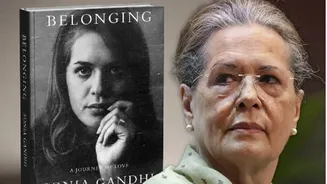
This embrace of a specific Indian regional food is also a poignant chapter in Sonia Gandhi’s own story. She has openly shared her initial struggles with Indian food, recalling how the strong spices were once overwhelming. Her journey from finding tandoori chicken 'on fire' to now professing a love for a wide array of Indian cuisines—including Bengali and Gujarati food—is a testament to her deep integration into Indian life. The cherished Kashmiri tradition, rooted in her marital family's heritage, stands as a cornerstone of this journey. It represents a culinary bridge she crossed, transforming a foreign culture into the familiar, comforting taste of home.