

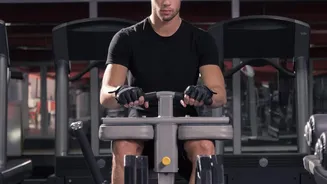

The seated row is a powerhouse exercise for building a strong, healthy back and improving your posture. For beginners, mastering the form is everything. The secret lies not in lifting heavy, but in two key details: a straight back and a controlled pull.
Why the Seated Row Matters
The seated row is a fundamental pulling exercise that primarily targets the muscles in your upper and middle back, including the latissimus dorsi (lats), rhomboids, and trapezius. It also engages your biceps and forearms, making it a highly efficient compound movement. For beginners, this exercise is exceptionally valuable. It counteracts the slumped posture many of us develop from sitting at desks by strengthening the muscles that pull the shoulder blades back and down. Building a strong back not only improves your physique but also protects your shoulders, reduces the risk of injury, and supports daily activities like carrying groceries or lifting objects.
Setting Up for Success
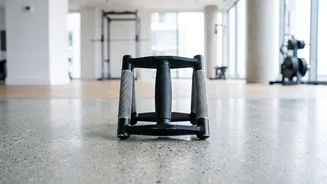
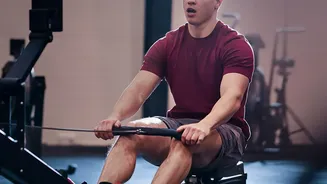
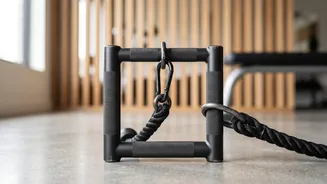
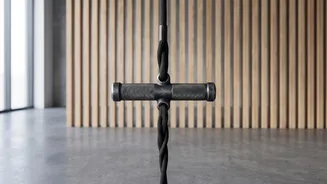
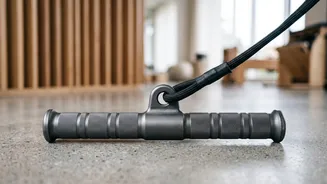
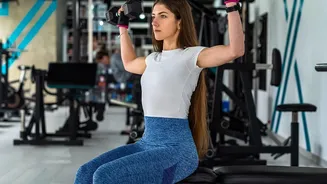
Proper setup on a seated row machine, whether it's a cable machine or a pin-loaded one, is the first step toward perfect form. Start by selecting a light weight; you can always increase it later. Sit on the bench and place your feet firmly on the footplates or floor, maintaining a slight bend in your knees. Locking your knees can cause your lower back to round, so keeping them soft is crucial for maintaining a neutral spine. Sit up tall, creating a straight line from your hips to your shoulders. Grasp the handle (a V-handle is a great starting point) with your arms fully extended but without letting your shoulders get pulled forward. Your chest should be up and your shoulders should be down and back, away from your ears.
The Perfect Pull: A Step-by-Step Guide
The movement itself is a two-part sequence: the pull (concentric) and the return (eccentric). Control is the goal for both. To begin, exhale and initiate the pull not by yanking with your arms, but by squeezing your shoulder blades together. Think about driving your elbows back past your ribs, keeping them tucked close to your body. Pull the handle towards your lower ribs or upper abdomen. At the peak of the movement, pause for a second and focus on that strong squeeze between your shoulder blades. Your torso should remain still and upright throughout. Now for the return. Inhale and slowly extend your arms back to the starting position over two to three seconds. Resist the temptation to let the weight stack slam down; controlling the return is just as important as the pull for muscle development.
Common Mistakes to Avoid
Even with the best intentions, a few common mistakes can derail your seated row and increase your risk of injury. The most frequent error is using momentum by rocking your torso back and forth. This takes the work away from your back muscles and places stress on your lower back. If you find yourself swinging, the weight is too heavy. Another common fault is rounding the back. Always keep your core engaged and your spine neutral to protect your discs. Also, watch for shrugged shoulders, which means your traps are taking over instead of your lats and rhomboids. Finally, avoid pulling only with your arms. The seated row is a back exercise, so the feeling of your back muscles working should be your primary focus.
Breathing and Tempo
Synchronizing your breath with the movement can enhance stability and power. The general rule is to exhale as you exert force and inhale during the less strenuous part. For the seated row, that means you should exhale as you pull the handle toward you and inhale as you slowly return to the starting position. This rhythm helps keep your core braced and ensures your muscles get the oxygen they need. The tempo should be deliberate and controlled. Avoid rushing through repetitions. A slow, controlled return phase, often lasting two to three seconds, maximizes the time your muscles are under tension, leading to better strength and growth.