







The Science Behind the Slick
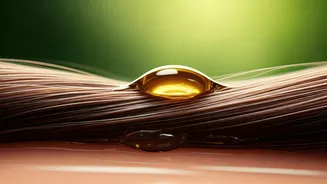
Our scalp is covered in sebaceous glands that produce sebum, a natural oil designed to moisturise the skin and hair. In normal conditions, this is a good thing. But when humidity spikes, your body's cooling system—perspiration—goes into overdrive. The
humid air is already saturated with moisture, so your sweat doesn't evaporate as efficiently. Instead, it sits on your scalp, mixing with the sebum. This combination of sweat and oil is what creates that heavy, greasy feeling. Furthermore, some studies suggest that high humidity can actually signal the sebaceous glands to produce even more oil, creating a vicious cycle of slickness.
It’s Not Just Your Imagination
The problem isn't just about production; it's about distribution. The moisture in the air helps the oil travel down the hair shaft much faster than it would in a dry environment. This is why your roots might feel greasy while your ends remain dry, and why your hair seems to lose all its volume and bounce, collapsing under its own weight. This sweat-and-sebum mixture can also create an ideal environment for bacteria and yeast (like Malassezia globosa, linked to dandruff) to thrive, potentially leading to itchiness, flakes, and scalp irritation. So, if you feel like your scalp is suddenly more problematic during the monsoon, you're not imagining it.
Rethink Your Washing Strategy
The first instinct might be to wash your hair with the strongest, most stripping shampoo you can find. Resist the urge. Over-washing with harsh sulfates can strip your scalp of its natural oils, causing it to panic and produce even more sebum to compensate. Instead, adopt a smarter approach. Consider double cleansing: the first wash with a clarifying shampoo to break down buildup, and the second with a gentler, hydrating, or scalp-soothing formula. Look for shampoos containing ingredients like salicylic acid, which exfoliates the scalp and cleanses pores, or tea tree oil, known for its antimicrobial properties. How often you wash depends on your hair type, but in humid weather, washing every other day or even daily with the right gentle product is perfectly acceptable.
Treat Your Scalp Like Your Face
The 'skinification' of hair care is a trend worth embracing. Your scalp is skin, and it benefits from targeted treatments. Just as you'd use a clay mask for an oily T-zone, you can use a scalp mask with ingredients like bentonite or kaolin clay to absorb excess oil before you shampoo. Scalp scrubs can help remove dead skin cells and product buildup, but use them sparingly—once a week at most—to avoid irritation. After washing, a lightweight, non-comedogenic scalp serum can deliver beneficial ingredients directly to the hair follicles without weighing down your roots. Think of it as an essential step in your routine, not an optional extra.
Daily Habits That Make a Difference
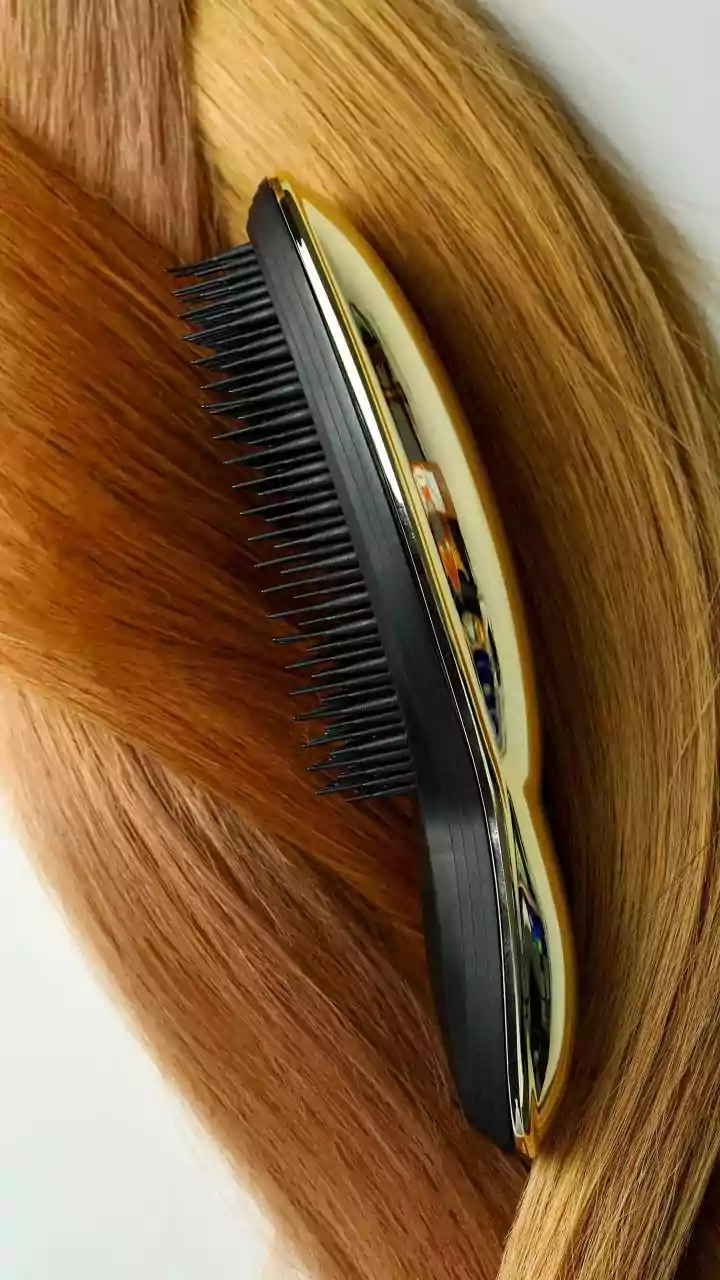
Your routine outside the shower matters, too. Constantly touching your hair transfers oils from your hands to your strands, making them look greasy faster. Similarly, a dirty hairbrush can re-deposit oil and old product back onto your clean hair. Make sure to clean your brushes and combs at least once a week. Dry shampoo can be a lifesaver, but use it proactively. Instead of spraying it on already-greasy hair, apply a small amount to your roots right after you’ve blow-dried your clean hair. This allows the powder to absorb oil as it's produced, keeping you fresher for longer. Finally, when sleeping, consider a silk or satin pillowcase. It causes less friction than cotton, meaning it won't rough up the cuticle and spread oil around as much.