





Setting Up for Success
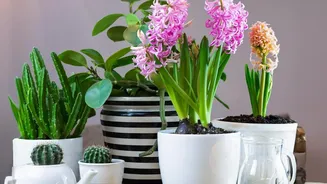
Your journey to a winter herb garden begins with the right foundation. First, select your containers. Pots should be at least 6-8 inches wide and deep to give roots enough room to grow. Most importantly, they must have drainage holes at the bottom; herbs
hate sitting in waterlogged soil, which can quickly lead to root rot. Next, choose your soil. Avoid using dense garden soil, which compacts easily in pots. Instead, opt for a light, well-draining potting mix. Most commercial mixes designed for indoor plants work well, as they are typically made of peat moss or coco coir, which provide good aeration and moisture retention. Finally, location is key. Most herbs need at least four to six hours of sunlight per day to flourish. A south-facing windowsill is often ideal, but any spot that gets consistent, bright light will do.
The Queen of Herbs: Tulsi (Holy Basil)
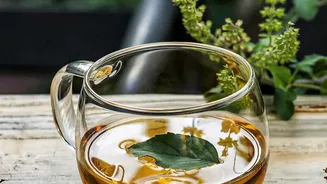
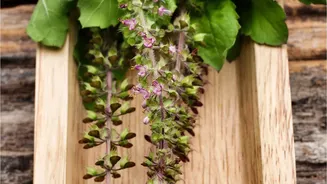
Tulsi holds a sacred place in many Indian homes and is surprisingly adaptable to indoor life. It loves sun, so place it in your brightest window where it can get at least 4-6 hours of direct light. For watering, the rule is to keep the soil lightly moist but never soggy. Check the top inch of soil; if it feels dry, it's time to water. Overwatering is the most common reason a Tulsi plant fails, especially in winter when growth slows. Use a well-draining soil mix, perhaps with a little sand or cocopeat added. To encourage a bushier, leafier plant, regularly pinch off the flowering tops, known as manjari. During cold northern Indian winters, it’s crucial to protect Tulsi from frost and cold drafts. Bring the pot indoors if temperatures drop below 10°C and place it away from open windows at night.
Mastering Mighty Mint
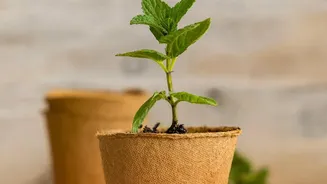
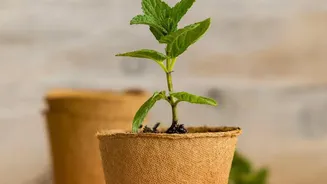
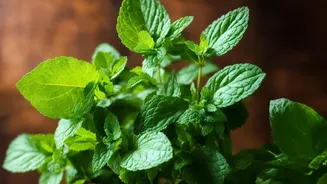
Mint is famously vigorous and one of the easiest herbs for beginners. Its aggressive nature, which can be a problem in an outdoor garden, is a benefit when contained in a pot. Mint is not fussy about soil, so a standard potting mix is perfectly fine. Unlike many other herbs, mint prefers its soil to be consistently damp, so don't let it dry out completely. A self-watering pot can be an excellent choice for this thirsty herb. While mint can be grown from seed, it's much faster to grow from a cutting. Simply place a healthy 5-6 inch stem in a glass of water, and roots should appear in about a week. Once the roots are an inch long, plant it in your pot. Mint needs good light but can tolerate less than Tulsi; an east-facing window with 4-6 hours of indirect light works well.
Cultivating Fresh Coriander (Dhania)
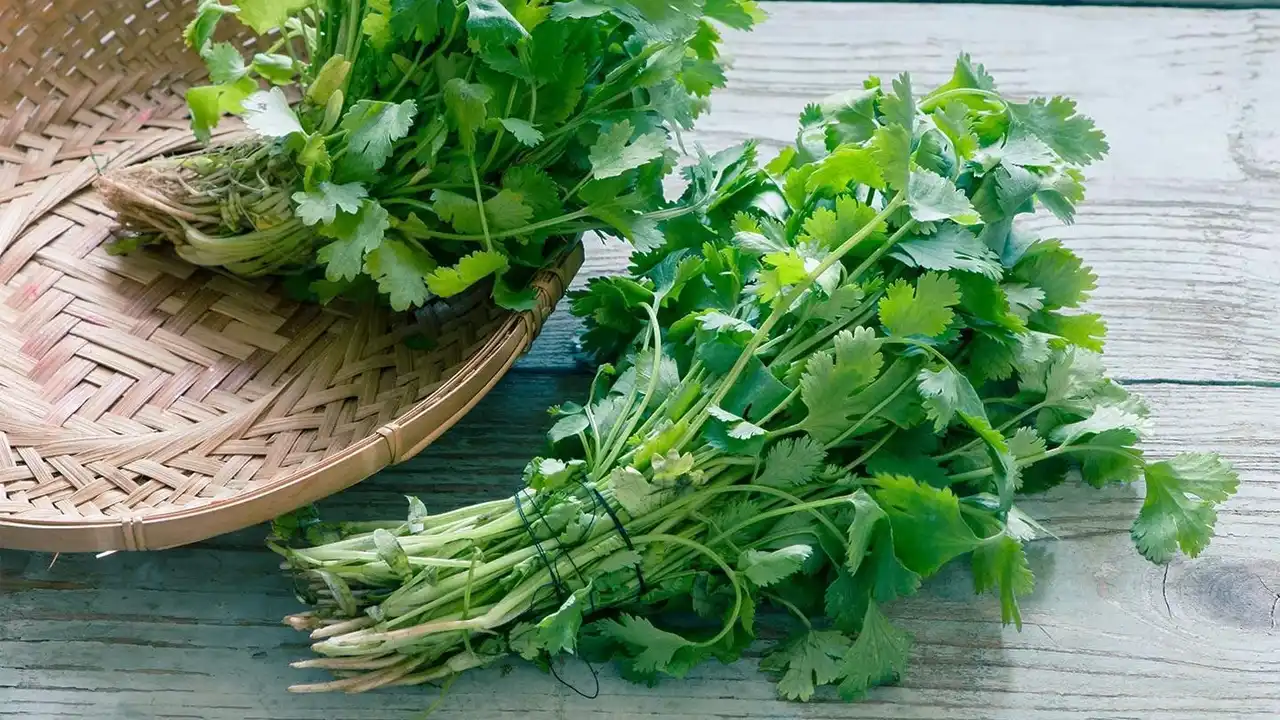
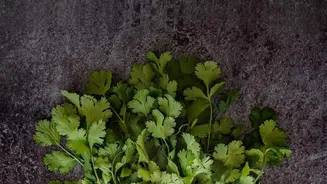
Fresh coriander, or cilantro, is a staple in Indian kitchens, but it can be tricky to grow indoors because of its shorter lifespan. The key is 'succession planting': sow a new batch of seeds every two to three weeks to ensure a continuous supply. Coriander is best grown from seed directly in its final pot. The seeds are actually small fruits containing two seeds each; gently crushing them before planting can improve germination. Plant the seeds about a half-inch deep. The plant requires regular watering but dislikes overly damp conditions. It also prefers cooler temperatures, so a spot that gets plenty of light without becoming scorching hot is ideal. You can begin harvesting the outer leaves once the plant is a few inches tall, which encourages more growth. A deep pot is beneficial as coriander develops a taproot.
Winter Care and Harvest
Caring for your windowsill garden through the winter is straightforward. Water less frequently than you would in summer, as the plants' growth slows and the soil dries out more slowly. Always check the soil moisture with your finger before watering. Turn the pots every few days to ensure all sides get some light. Regular harvesting is the best way to keep your plants productive and bushy. Snip leaves from the top and sides, which encourages the plant to branch out. For Tulsi, pinching off flower buds is crucial. For mint, frequent trimming keeps it from getting leggy. For coriander, harvesting outer leaves allows the inner leaves to continue growing. With just a little attention, your windowsill will provide a steady, fragrant harvest to elevate your cooking all winter long.