







The Alert That Sparked Concern
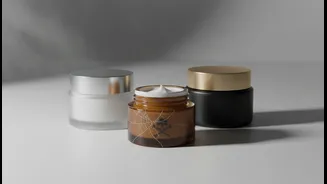
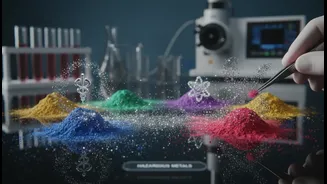
In early July 2026, the Maharashtra FDA issued an urgent recall for three cosmetic creams after laboratory tests revealed they contained dangerously high levels of mercury and lead. The products, identified as Goree Beauty Cream, Face Fresh Gold, and Golden
Star Beauty Cream, were declared unsafe for public use. Authorities directed an immediate halt to their sale and distribution, instructing retailers and e-commerce platforms to remove them from stock. Adding to the concern, the products were also found with serious labelling violations, missing crucial details like manufacturer information, batch numbers, and expiry dates, making them difficult to trace and raising questions about their authenticity.
Mercury: The Poison in Skin-Lightening Creams
Mercury is a potent neurotoxin that is strictly prohibited or regulated to a maximum of 1 part per million (ppm) in cosmetics in India. It is illegally added to some skin-lightening creams because it effectively blocks melanin production, the pigment that determines skin colour. This can produce a rapid, but artificial, 'fairness' effect. However, the cost to health is severe. Mercury is readily absorbed through the skin and can accumulate in the body. Prolonged use is linked to devastating health consequences, including kidney damage or failure, neurological disorders, tremors, memory impairment, and skin problems. The recent case in Maharashtra was particularly alarming, with some reports suggesting that the flagged creams contained mercury levels far exceeding the legal limit.
Lead: The Hidden Contaminant in Colours
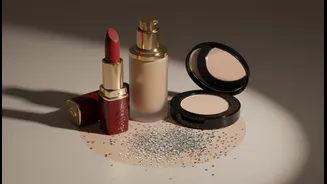
Unlike mercury, which is sometimes added intentionally, lead often finds its way into cosmetics as an unintentional contaminant. It is a known impurity in the raw materials used to create pigments, especially for colour cosmetics like lipsticks and eyeliners (kajal). India's regulations under the Drugs and Cosmetics Act set a limit for lead at 20 ppm. Like mercury, lead is a neurotoxin. Even low levels of exposure can be harmful over time, accumulating in the body and potentially causing developmental problems, reduced fertility, high blood pressure, and kidney damage. The vulnerability is especially high for pregnant women and children.
The Systemic Connection: A Failure in Oversight
The connection between mercury and lead in the Maharashtra alert is not chemical, but systemic. Their presence in the same counterfeit and unregulated products points to a larger failure in quality control and regulatory enforcement. These products thrive in a grey market, often sold online or through unofficial channels, bypassing safety checks completely. The lack of proper labelling is a key red flag, indicating that the products have not been vetted by regulatory bodies like the Central Drugs Standard Control Organization (CDSCO) or the Bureau of Indian Standards (BIS). This incident highlights the challenge of policing a vast and varied cosmetics market, where dangerous products can easily slip through the cracks and reach unsuspecting consumers.
How to Protect Yourself as a Consumer
While regulators work to remove these dangerous products, consumers can take several steps to stay safe. Firstly, always purchase cosmetics from reputable, authorised sources and be wary of products sold at unusually low prices. Secondly, carefully inspect the packaging. Legitimate products will always have complete labelling, including the manufacturer's name and address, ingredient list, batch number, and manufacturing and expiry dates. Avoid any product that lacks this information. Finally, be skeptical of miraculous claims, especially those promising rapid skin lightening. Prioritizing products from transparent brands that adhere to safety standards is the best defense against toxic exposure.