






The Plan to Sell the World Cup
Late in July 2026, FIFA President Gianni Infantino unveiled a bombshell proposal: to create a new commercial subsidiary called FIFA Forward Enterprise (FFE). This new entity, valued at approximately $20 billion, would manage the commercial rights for
all major FIFA tournaments, including the men's and women's World Cups. The plan was to sell a 20% minority stake to private investors for around $4.2 billion. In return for their support, FIFA offered its 211 member associations a significant financial incentive, promising to double their development funding and provide an optional immediate payment of $20 million. FIFA argued this would democratize football, injecting billions into the global game. However, the plan was met with immediate and fierce criticism, with many seeing it as an attempt to sell the soul of the sport.
Europe's Unprecedented Backlash
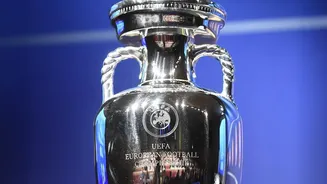
The response from Europe was swift and brutal. UEFA, the governing body for European football, issued a scathing statement accusing FIFA of crossing a line and attempting to trade the governance of football as a commercial asset. Led by president Aleksander Čeferin, UEFA declared that the World Cup was not FIFA's to sell. The opposition quickly solidified. At an emergency meeting, UEFA's 55 member nations unanimously voted to boycott all FIFA tournaments, including the World Cup, if the proposal was not scrapped entirely. This threat was a knockout blow, given that European nations are central to the World Cup's commercial and competitive success. Support for UEFA's stance grew as other powerful confederations, including CONCACAF (North and Central America) and the Asian Football Confederation (AFC), also rejected the plan, questioning its necessity and the lack of consultation.
Why Was It So Controversial?
The opposition was rooted in fundamental fears about the future of football. Critics argued that bringing private equity into the heart of the World Cup would prioritize profit over the good of the sport. There were deep concerns that investors would demand more frequent tournaments or an expanded calendar, putting further strain on players and devaluing domestic leagues and competitions like the UEFA Champions League. The secretive nature of the plan and the lack of consultation with key stakeholders like leagues, clubs, and players' unions also caused widespread anger. Many, including fan groups, felt it was a blatant cash grab that would commercialize the world's most beloved sporting event, with one investment group reportedly led by a firm with links to the Kushner family.
A Swift and Decisive Retreat
Facing a global rebellion and the very real threat of a World Cup boycott from its most powerful members, FIFA had no choice but to retreat. Within days of the plan being announced, Gianni Infantino issued a statement confirming its withdrawal. He admitted that the project had created deep divisions that were no longer in the interest of football. The collapse of the plan was a spectacular backfire, leading to the resignation of one of Infantino’s senior advisers and severe internal criticism. UEFA immediately welcomed the decision, calling it a "victory for the whole game" and a demonstration that football is not for sale.
An Uncertain Future for FIFA's Leadership
While this specific battle is over, the war for control of global football is not. The incident has severely damaged Infantino's authority and has left his presidency, which previously seemed secure for a fourth term, in a vulnerable position. UEFA and other confederations have called for a full review of FIFA's leadership and governance, vowing to ensure that such a unilateral proposal cannot be pushed through again. The power struggle has reasserted UEFA's immense influence on the world stage, but it also highlights the deep fractures within football's global governance. The question now is whether Infantino can repair the trust he has lost or if this failed gamble will ultimately cost him his presidency.