







The Big Picture: A Policy Shift
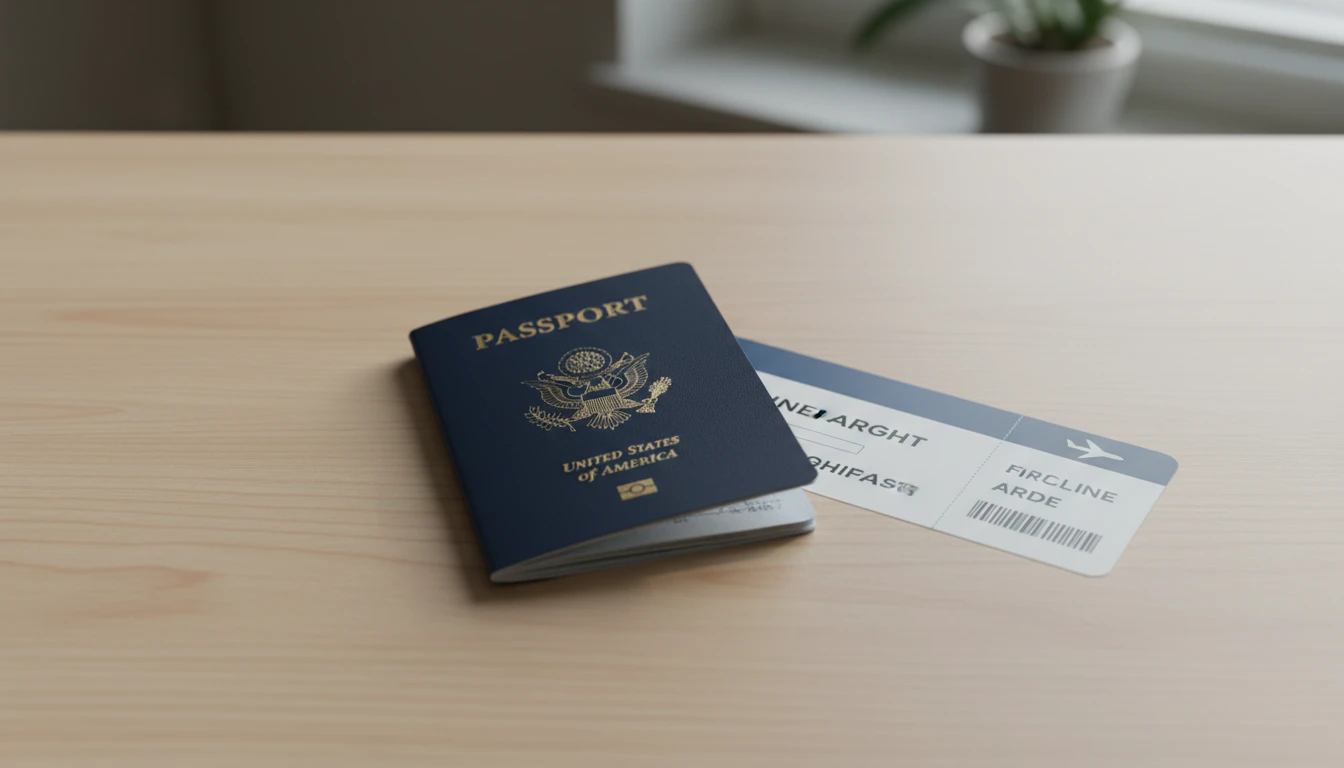
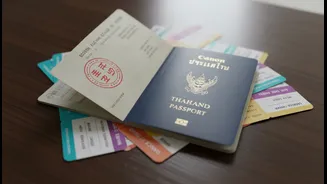
In a significant move on July 14, 2026, the Thai government announced a revamp of its visa regulations. The decision involves revoking the 60-day visa-free stay that was previously available to travelers from 93 countries. This change is part of a broader
strategy to enhance security, prevent the misuse of visas, and streamline the system under a “one country, one entitlement” principle. According to a government spokesperson, the extended 60-day period was sometimes used for activities other than tourism, prompting the review. The new measures aim to balance welcoming tourists with maintaining robust immigration controls.
Good News for Indian Tourists
For Indian travelers, the new rules bring positive changes. India is one of six countries that will now be granted visa-free entry for up to 30 days. This replaces the previous visa-on-arrival system for Indian nationals. The decision was made after an earlier proposal to end visa-free entry caused confusion and a drop in tourist numbers from India, which is one of Thailand's largest tourism markets. The government has aligned the stay duration with the typical travel behavior of Indian tourists, who on average stay for about seven days. This move ensures that planning a holiday to the popular destination remains straightforward and hassle-free for Indians.
What's Changing for Other Travelers?
Under the new framework, 59 countries and territories will be eligible for a 30-day visa-free stay. This includes all 27 member states of the European Union. For nationals of Mauritius and Seychelles, a 15-day visa-free stay will be available. The Visa on Arrival (VoA) option will now be extended to citizens of Azerbaijan, Belarus, and Serbia. The changes will become effective 15 days after they are published in the Royal Gazette. Travelers who enter Thailand before the new rules are enforced will be allowed to stay for the duration permitted under the old regulations.
A Crackdown on Misuse
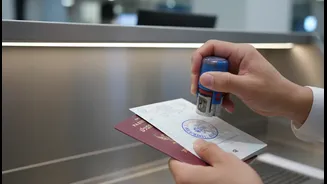
Alongside these changes, Thai authorities are tightening enforcement to curb the misuse of tourist visas for long-term residency. Immigration officers are now more closely reviewing travelers' entire passport histories. Individuals whose travel patterns suggest they are living in Thailand on sequential tourist visas risk being denied entry. Between January and May 2026, nearly 30,000 foreigners were denied entry for such reasons. The government is also cracking down on fraudulent education visas, with thousands revoked in 2026. The clear message is that while genuine tourists are welcome, those attempting to use loopholes to live and work in the country illegally will face consequences.
New Option for Digital Nomads: The DTV
Recognizing the rise of remote work, Thailand has also introduced the Destination Thailand Visa (DTV). Often called the “digital nomad visa,” this is a multiple-entry visa valid for five years. It allows holders to stay for up to 180 days per entry and is designed for remote workers, freelancers, and those participating in cultural or training activities like Muay Thai or cooking classes. Applicants need to show proof of sufficient funds, typically around 500,000 THB. However, DTV holders are not permitted to work for companies based in Thailand. This visa provides a legitimate pathway for long-term stays, separate from the tourist-focused visa exemption schemes.