







The Disappearing 'Pain of Paying'
Behavioral economists talk about a concept called the “pain of paying.” This refers to the real, negative emotion we feel when we physically hand over cash. Seeing your wallet get thinner is a tangible, immediate reminder of what you've spent, which helps
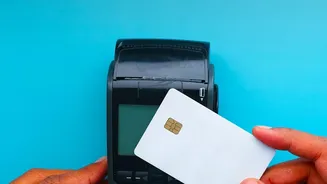
regulate spending. Digital payments almost completely remove this friction. Swiping a card or tapping your phone is abstract; the money doesn't feel as real, and the psychological sting of the expense is dulled. One study even found that using a credit card activates the brain's reward center, much like the anticipation of a treat, which can encourage more spending. The less you 'feel' the payment, the more you are likely to spend.
The Illusion of Frictionless Spending
The very thing that makes cashless payments so appealing—their speed and ease—is also what makes them financially dangerous. This “frictionless” process means there’s less time to second-guess a purchase. With one-click checkouts and saved card details, you can buy something in seconds without much thought. Studies show that when the checkout process is seamless, nearly half of consumers admit to spending more. This effect is especially pronounced among younger generations who have grown up with digital-first behaviors. The lack of a physical exchange makes it harder to connect the transaction with an actual loss of money, creating a disconnect from your financial reality.
The Danger of Delayed Consequences
Credit cards are the classic example of decoupling the pleasure of buying from the pain of paying. You get the item now, but the bill doesn't arrive for weeks. This delay makes it easier to justify purchases in the moment. 'Buy Now, Pay Later' (BNPL) services take this even further, breaking down a large cost into smaller, more manageable-seeming installments. Research shows a significant number of consumers, particularly younger ones, use BNPL to buy things they couldn't otherwise afford upfront, making the purchase feel less 'real'. This disconnect can lead to accumulating debt that becomes overwhelming when the payments finally come due.
Small Leaks Sink Big Ships
A coffee here, a cab ride there—small, frequent digital transactions often fly under the radar. When you pay with cash, you notice when a 500-rupee note breaks. When you use a digital wallet, these small amounts are debited almost invisibly. One study on digital wallet users found that 63.3% acknowledged an increase in impulse buying after they started using them. While many digital wallet platforms offer tools for tracking expenses, the convenience often encourages more frequent, smaller purchases that add up significantly over a month. This 'death by a thousand cuts' can quietly drain your account without you noticing a single large expense.
Digital Nudges and Targeted Rewards
Digital payment platforms are designed to encourage spending. Loyalty programs that offer points, cashback, or discounts for using a specific card or wallet create a powerful incentive to spend more to earn a reward. This can make you feel like you're saving money, even when you're being encouraged to spend more than you originally intended. Furthermore, these platforms gather vast amounts of data on your spending habits. This data is then used to send you personalized promotions and offers, tempting you at just the right moment and making it even harder to stick to your budget.