
A Welcome Boost in Connectivity
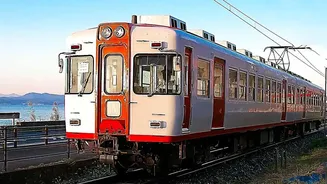
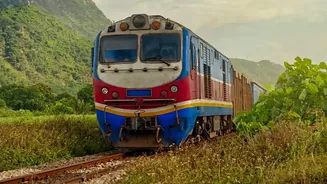
Indian Railways has approved a new daily express service connecting Chhatrapati Shivaji Maharaj Terminus (CSMT) in Mumbai with Sawantwadi Road in the Sindhudurg district. Operating as train numbers 15087 and 15088, the service covers the 510-kilometre
route with 22 stops at key towns like Panvel, Roha, Chiplun, Ratnagiri, and Kudal. This development is a significant upgrade for a region that has long relied on a mix of limited train services, buses, and private vehicles. The daily frequency aims to provide a reliable and direct link for a wide range of travellers, from tourists and students to business people and daily commuters, meeting a growing demand for transport along this busy corridor.
Unlocking Tourism Potential
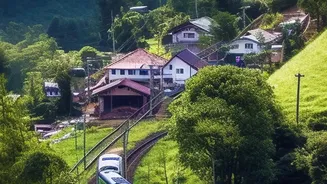
On paper, the new train is a game-changer for tourism in the southern Konkan. Sawantwadi serves as a crucial gateway to popular destinations like the beaches of Vengurla and Malvan, the historic Sindhudurg sea fort, and the artistic hub of Sawantwadi town itself, known for its wooden toys. By providing a direct and convenient travel option, the service is expected to fuel economic activity, supporting local businesses from hotels and homestays to restaurants and tour operators. Officials hope this improved access will encourage more visitors to explore the region's temples, forts, and eco-tourism sites, which have historically been harder to reach for those without private transport.
The Persistent Last-Mile Problem
While getting to Sawantwadi is now easier, the journey doesn't end at the railway station. A major practical question is the state of last-mile connectivity. Many of the Konkan’s most idyllic beaches and villages are located miles away from the main railway line. Upon arrival, tourists often face a scramble for local transport, which can be limited and expensive, especially during peak season. For the train’s benefits to be fully realised, local authorities must address the need for a more organised and robust network of buses, auto-rickshaws, and taxi services that can efficiently ferry visitors from stations like Sawantwadi, Kudal, and Kankavli to their final destinations.
Can Local Infrastructure Cope?
An influx of tourists brings money, but it also puts a strain on local resources. Many Konkan towns, celebrated for their sleepy charm, have infrastructure that is already stretched thin. Increased visitor numbers raise practical concerns about waste management, water supply, and the capacity of local roads. Overtourism is a real risk in ecologically sensitive coastal areas, potentially leading to environmental degradation and cultural erosion if not managed properly. Sustainable growth requires careful planning and investment in public amenities to ensure that the region can accommodate more people without sacrificing the natural beauty that attracts them in the first place.
The Monsoon Challenge
Finally, there is the formidable Konkan monsoon. The region is prone to extremely heavy rainfall, which can lead to landslides and flooding, posing significant challenges to railway operations. Every year, from June to October, Konkan Railway implements a special monsoon timetable, which involves running trains at reduced speeds to ensure passenger safety. This often leads to longer journey times and schedule changes. While necessary, this operational reality means that during the most picturesque season, the new express service may be slower and less predictable, a practical consideration for any traveller planning a trip during these months.