






The Expressway Effect: Shrinking Distances
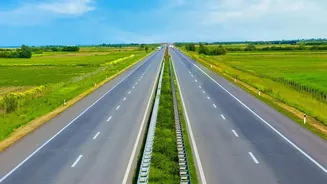
Road travel in Gujarat is getting a significant upgrade, led by multi-lane, access-controlled expressways. A key project is the Ahmedabad-Dholera Expressway, which was inaugurated in March 2026. This 109-km corridor slashes the travel time between Ahmedabad and
the Dholera Special Investment Region to just about an hour, a journey that previously took much longer. This not only benefits industrial transport but also makes day trips and business commutes far more feasible for the general public. Simultaneously, operational sections of the massive Delhi-Mumbai Expressway are transforming travel within the state. Stretches like the one from Vadodara to Ankleshwar have already eased traffic congestion, offering a smoother and faster alternative to older national highways. For tourists and families, this means quicker trips between major hubs like Vadodara and Surat and easier access to destinations along the route.
The Rail Revolution: Speed and Comfort
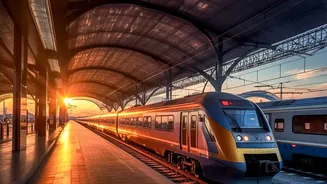
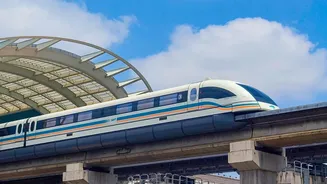
Gujarat's rail network is undergoing a major transformation, with two flagship projects leading the charge. The much-anticipated Mumbai-Ahmedabad High-Speed Rail Corridor, popularly known as the bullet train project, is steadily progressing. While the entire 508-km line is a long-term project, the first section between Surat and Bilimora is targeted for commissioning in 2027. Once fully operational, it promises to cut the journey between Mumbai and Ahmedabad to just over two hours, revolutionizing business and leisure travel. In the more immediate future, the Vande Bharat Express network continues to expand. The recently approved Surat-Udaipur Vande Bharat service will connect South Gujarat with Rajasthan in about seven and a half hours, stopping at key hubs like Vadodara and Anand. This provides a new, fast, and comfortable option for pilgrims and tourists, boosting connectivity between the two states.
A Gateway to Saurashtra: Rajkot's New Airport
Air travel to the Saurashtra region received a major boost with the inauguration of the Rajkot International Airport. The older city airport was constrained by its urban location and inability to handle larger aircraft. The new greenfield airport, located on the Rajkot-Ahmedabad highway, is equipped with a longer runway and a modern terminal capable of handling more passengers and bigger planes. This development is a game-changer for connectivity to the entire region, which is a hub for industries like ceramics in Morbi and has popular pilgrimage sites like Dwarka. Tourists and the Gujarati diaspora can now fly closer to their destinations in Saurashtra, potentially avoiding a longer road or rail journey from Ahmedabad. The airport also supports cargo movement, benefiting local industries by enabling faster transport of goods.
Connecting the Coast: A Tourism and Trade Corridor
A long-term vision to unlock the potential of Gujarat's extensive coastline is taking shape with the Coastal Highway project. This ambitious plan aims to build a corridor stretching from Umargam in the south to Narayan Sarovar in Kutch. While the entire project is vast, work has begun on key sections. A recently launched project will connect Hazira in Surat to Kantyajal in Bharuch, reducing a 55-km drive to just about 18 km. This specific stretch will primarily benefit industrial traffic between the two major economic hubs, decongesting the existing National Highway 48. For tourists and locals, the broader vision of the coastal highway promises to open up new routes to beaches, temples, and coastal towns, making scenic road trips more accessible and promoting tourism all along Gujarat's shoreline.