




A Flash in the Dark
One of the most exciting, and somewhat unexpected, findings came from simple human observation. Mission planners tasked the crew with watching for 'impact flashes'—the fleeting glints of light caused by small meteoroids striking the lunar surface. With
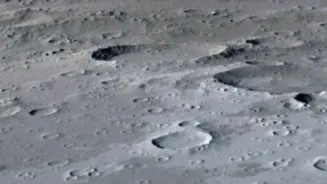
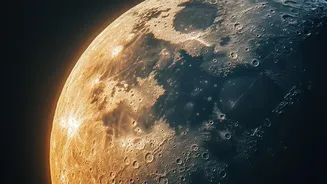
no atmosphere to burn them up, even pebble-sized rocks travelling at thousands of miles per hour can hit the Moon. The energy from these collisions is immense, instantly vaporizing the rock and a small amount of lunar soil, which creates a brief, visible flash. This phenomenon has been observed by telescopes on Earth and by previous Apollo crews, but Artemis II provided a unique opportunity.
What the Crew Witnessed
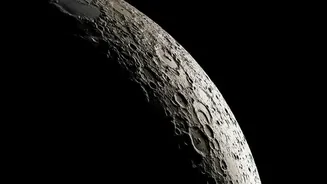
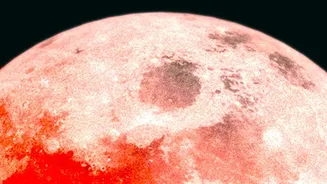
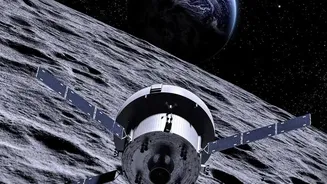
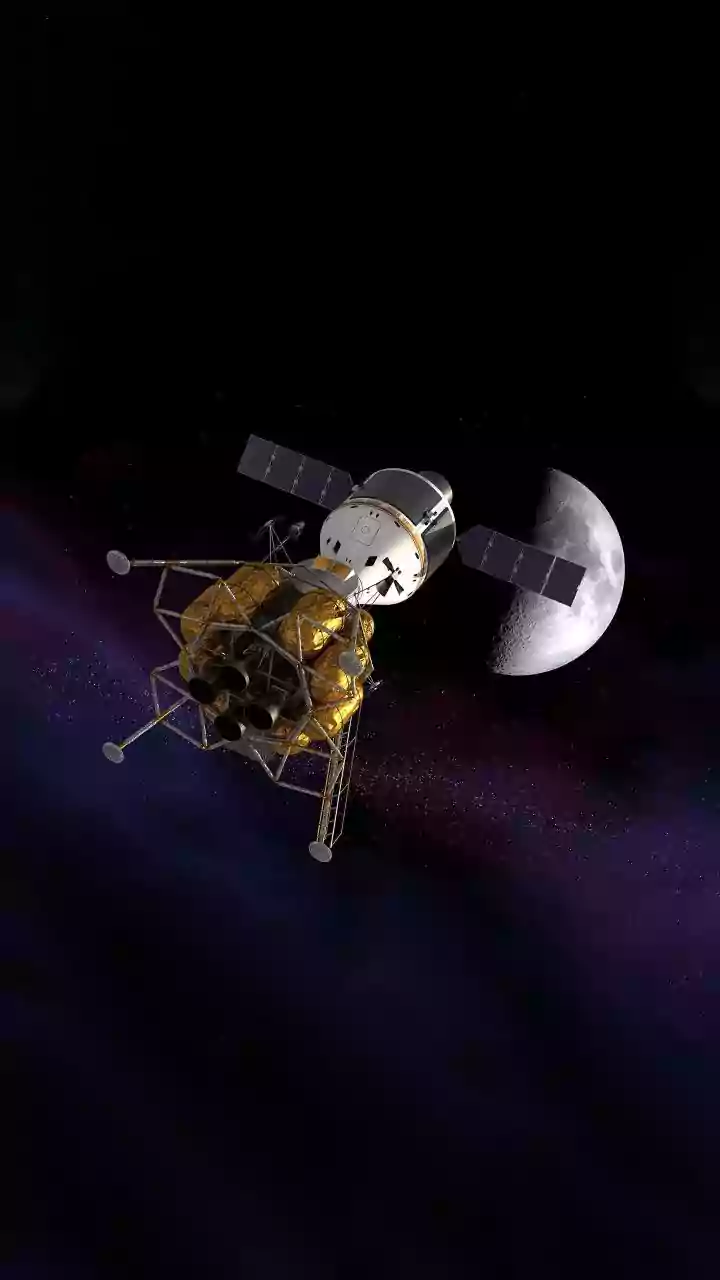
During a 54-minute period where the Orion spacecraft was behind the Moon, out of contact with Earth, the crew experienced a total solar eclipse. This created ideal, dark conditions for spotting the faint flashes. Astonishingly, the astronauts reported seeing five distinct 'pinprick' bursts of light on the Moon's darkened surface. Commander Reid Wiseman, pilot Victor Glover, and Canadian Space Agency astronaut Jeremy Hansen all documented the sightings, sometimes with more than one crew member seeing the same event, which helped confirm they weren't just anomalies like cosmic rays hitting an astronaut's eye. Scientists believe these may be the faintest lunar impact flashes ever witnessed by the human eye.
The Challenge of Analysis
These five flashes, observed from about 46,000 miles away, represent a tiny but significant dataset. The headline 'needs scientific analysis' refers to the complex work now underway to understand what these observations truly mean. The process isn't as simple as just counting the flashes. Scientists at NASA must now meticulously correlate the crew's handwritten notes and spoken accounts with spacecraft telemetry and video footage. They need to rule out any other possible sources for the light, such as reflections from the spacecraft itself. Once confirmed, the brightness of each flash can be used to estimate the size and energy of the impacting object—in this case, likely rocks no more than a couple of inches wide.
Unlocking Lunar Secrets
This analysis is crucial for several reasons. First, it helps scientists create better models of the 'impact flux'—the rate at which objects of different sizes hit the Moon. This is not just an academic exercise; it has direct implications for the safety of future lunar missions. As NASA and its partners plan to build a long-term presence on the Moon with Artemis, understanding the risk posed by constant micrometeoroid bombardment is essential for designing safe habitats and equipment. Each flash provides a data point that helps refine those risk assessments. Furthermore, studying these impacts helps us understand the composition of the Moon's incredibly thin atmosphere, or exosphere, which is believed to be partially replenished by material kicked up during these events.