


Essential Pre-Trip Planning
Before you even pack your bags, a trip to North Sikkim requires some crucial groundwork. Due to its proximity to international borders, this region is a restricted area. Indian tourists need a Protected Area Permit (PAP) to visit places like Lachen, Lachung,
Yumthang Valley, and Gurudongmar Lake. These permits cannot be obtained independently; they must be arranged through a Sikkim-registered tour operator. The process is usually handled as part of a package deal and requires copies of a valid photo ID (like a Voter ID or Driving Licence) and passport-sized photographs. It's best to book a complete package that includes your vehicle, accommodation, meals, and permits for a hassle-free experience. The best seasons to visit are from March to June for pleasant weather and blooming flowers, or October to November for clear skies and crisp mountain views.
Day 1: Arrival and Acclimatisation in Gangtok
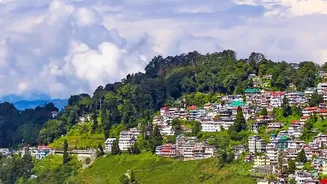
Your journey begins upon arrival at Bagdogra Airport (IXB) or New Jalpaiguri (NJP) railway station. From there, it's a scenic 4-5 hour drive to Gangtok, the capital of Sikkim. Use this first day to acclimatise to the altitude (around 5,500 feet). Check into your hotel and take a leisurely stroll down the vibrant MG Marg in the evening. This pedestrian-only street is the heart of the city, lined with shops and restaurants. A relaxed first day is crucial before heading to the higher altitudes of North Sikkim.
Day 2: The Journey to Lachen
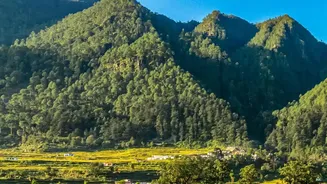
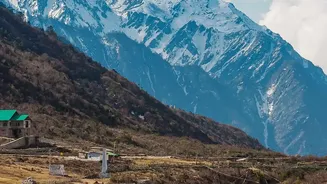
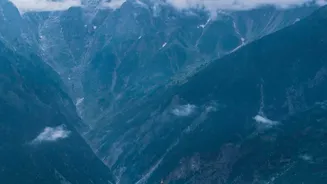
After an early breakfast, your adventure into North Sikkim officially begins with the drive to Lachen. The journey takes about 6-7 hours, covering a distance of roughly 110-120 km. The drive itself is an experience, winding alongside the Teesta River and passing through picturesque villages and stunning waterfalls like the Seven Sisters Waterfall and Naga Falls. You'll pass Chungthang, the confluence of the Lachen and Lachung rivers, before making the final ascent to Lachen. Situated at an altitude of about 8,800 feet, Lachen is a quiet, remote village that serves as the base for visiting Gurudongmar Lake. Your overnight stay here is essential for further acclimatisation.
Day 3: Gurudongmar Lake and Transfer to Lachung
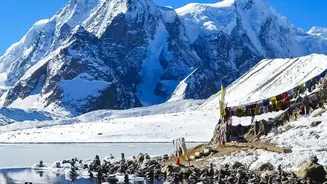
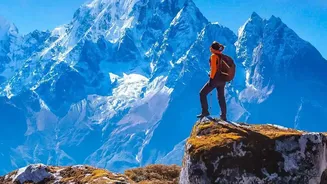
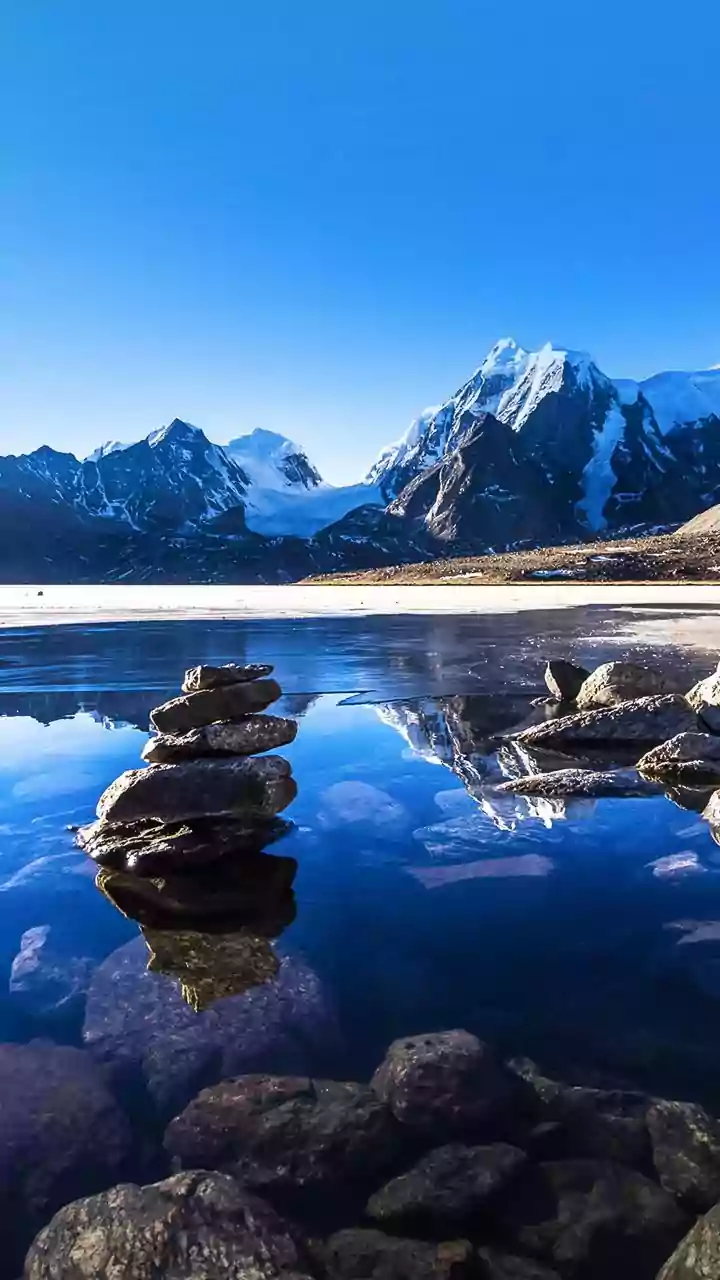
An early start is non-negotiable today, typically around 4 AM. The goal is to reach Gurudongmar Lake, one of the world's highest lakes at over 17,000 feet. The air is extremely thin here, so it is advised not to spend more than 30-45 minutes at the lake. The sight of the crystal-clear, sacred water surrounded by stark, snow-dusted peaks is an unforgettable spectacle. After the excursion, you will drive back to Lachen for lunch and then proceed to Lachung, another picturesque village at a similar altitude. The drive between the two villages takes a few hours, allowing you to settle into your Lachung hotel by evening.
Day 4: Yumthang Valley and Zero Point
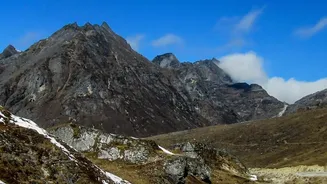
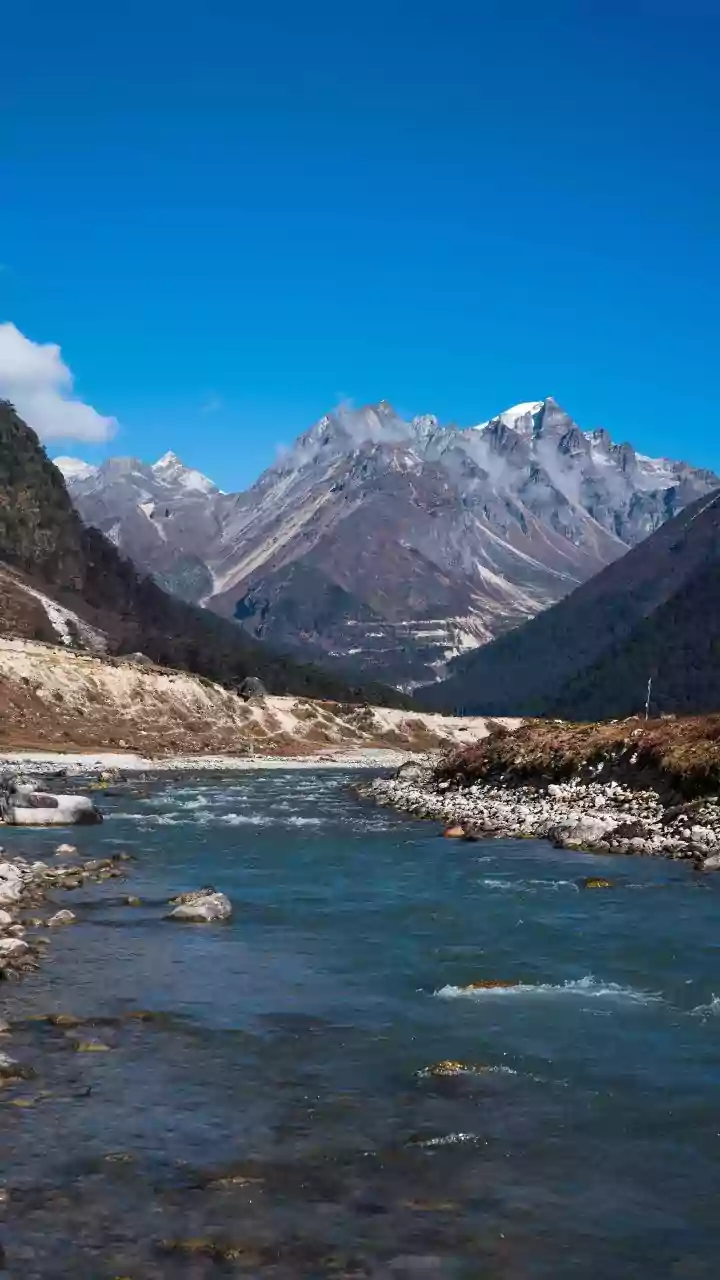
Today’s highlight is the Yumthang Valley, famously known as the 'Valley of Flowers'. Located about an hour's drive from Lachung, this valley is a breathtaking panorama of meadows, yaks, and a gushing river, with the Shingba Rhododendron Sanctuary as a major attraction in spring. For an even more dramatic landscape, you can opt for an excursion to Yumesamdong, or Zero Point, for an additional cost. This is where the civilian road ends, offering a surreal view of a snow-covered landscape where three rivers meet. After exploring the valley, you will return to your hotel in Lachung for the night.
Day 5 & 6: Return to Gangtok and Departure
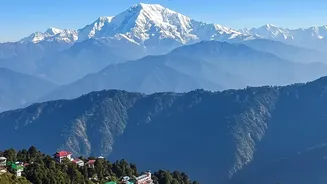
After breakfast in Lachung, you'll begin the long drive back to Gangtok. The journey takes about 6-7 hours, retracing your path through the mountains. You'll arrive in Gangtok in the evening, where you will spend the night. This breaks up the long return journey and ensures you are well-rested for your departure. On Day 6, after a final Sikkimese breakfast, you will be driven from Gangtok back to Bagdogra Airport or NJP railway station for your journey home, filled with memories of the Himalayan vistas.