



For many new swimmers, breathing feels like the biggest challenge. It can feel unnatural and frantic, but it doesn't have to. Mastering breath control is the key to unlocking a smooth, efficient, and enjoyable swimming experience.
Why Rhythmic Breathing is a Game-Changer
Before diving into techniques,
it is important to understand why breath control is so fundamental. When you hold your breath, your body becomes tense. This tension, combined with the air trapped in your lungs, makes you overly buoyant in the chest, causing your legs and hips to sink. This creates drag, forcing you to work much harder to move through the water. Rhythmic breathing—a steady cycle of exhaling underwater and inhaling at the surface—relaxes your body, improves your horizontal position (streamlining), and conserves precious energy. It transforms swimming from a frantic struggle for air into a graceful, meditative activity, allowing you to swim for longer distances with far less fatigue.
The Golden Rule: Exhale Underwater
The single most common mistake beginners make is holding their breath until they turn their head to gasp for air. The correct approach is the opposite. Your time with your face out of the water should be short and used only for inhaling. The entire time your face is submerged, you should be exhaling slowly and continuously, either through your nose, your mouth, or both. Think of it like humming a steady note underwater. This prevents the panicked feeling of needing to exhale and inhale in one quick moment. It also purges carbon dioxide from your lungs, which is what primarily triggers the urgent feeling of needing to breathe.
Practice Before You Even Get Wet
You can build the foundation for good breathing habits on dry land. Find a comfortable rhythm by inhaling through your mouth for two seconds and then exhaling through your nose and mouth for three to four seconds. Try this while watching TV or doing chores. Another helpful exercise involves a bowl of water. Take a breath, submerge your face in the bowl, and exhale slowly, watching the bubbles. The goal is to make the exhale last longer than the inhale and to feel comfortable with your face in the water. This practice helps build muscle memory, so the action feels more automatic when you get in the pool.
Simple Drills in the Shallow End
Once you are in the pool, start in the shallow end. One of the best drills is 'bobs'. Stand where you can comfortably touch the bottom. Take a deep breath, squat down until your head is fully submerged, and exhale all your air out, creating a stream of bubbles. As soon as you finish exhaling, push off the bottom and come up to inhale, then repeat. Aim for 10–15 repetitions. This drill directly teaches the 'exhale down, inhale up' rhythm. Next, try holding onto the side of the pool. Extend your body, kick gently, and practice rolling your head to the side to breathe, keeping one ear and goggle in the water. This isolates the breathing motion without the complexity of arm strokes.
Integrating Breath with Your Stroke
For freestyle, the most common stroke for beginners, breathing is integrated into the natural rotation of your body. As one arm extends forward and the other pulls back through the water, your torso will naturally rotate. Use this momentum to roll your head to the side—do not lift it straight up. Your mouth should just clear the surface of the water, creating a small 'bow wave' that gives you a pocket of air to breathe in. Take a quick breath and immediately turn your face back into the water as you begin your exhale. A common pattern for beginners is to breathe every three strokes, which allows you to practice bilateral breathing (breathing on both sides) and promotes a more balanced stroke.
Common Mistakes and Simple Fixes
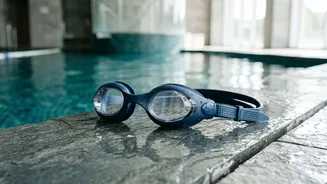
If you find your legs are sinking, it is almost certainly because you are lifting your head too high to breathe. Remember to roll, not lift. Keep the bottom of your goggle in the water as you inhale. If you feel panicked or out of breath, it's a sign you are not exhaling completely underwater. Focus on emptying your lungs fully before you turn to inhale. Another pitfall is turning your entire body to breathe instead of just your head and shoulders. This breaks your streamline and wastes energy. Using a kickboard to support your upper body can help you isolate and focus solely on developing a smooth kick and a relaxed, rotational breathing pattern.