





A New Strategy for the Red Planet
NASA is officially changing how it does business on Mars. On July 8, 2026, the agency announced it had awarded contracts to seven companies to develop next-generation robotic technology for the Red Planet. This initiative, called Science Transport and
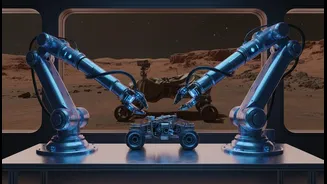
Robotic Innovation for Deployment and Exploration (STRIDE), signals a strategic pivot. For decades, NASA designed its rovers, from Sojourner to Perseverance, almost entirely in-house. Now, it's embracing public-private partnerships to foster innovation, reduce costs, and accelerate the pace of exploration. This model mirrors the success of its Commercial Crew and Commercial Lunar Payload Services (CLPS) programs, which rely on companies like SpaceX and Intuitive Machines to send astronauts and cargo to orbit and the Moon. By investing in a diverse portfolio of commercial capabilities, NASA is aiming to create a more resilient and dynamic approach to exploring Mars.
Meet the Robotics Innovators
The seven companies selected for the STRIDE initiative represent a mix of established aerospace players and ambitious newcomers. The contracts, worth a combined total of up to $17 million, will fund the initial design and development of new mobility systems. The awardees are AeroVironment, Astrobotic, Venturi Astrolab, Ground Control Robotics, Honeybee Robotics, Intuitive Machines, and MEI Technologies. Many of these names are already familiar in the space community. Astrobotic and Intuitive Machines are key players in NASA's lunar delivery program. AeroVironment was famously behind the groundbreaking Ingenuity Mars Helicopter that flew with the Perseverance rover. Honeybee Robotics has a long history of building critical components for NASA missions, including drills and sample collection systems. This blend of experience and fresh thinking is exactly what NASA is looking for to solve some of the toughest challenges of Martian exploration.
Beyond the Six-Wheeled Rover
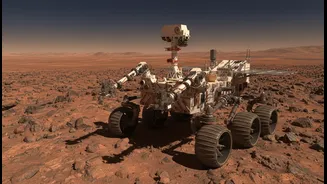
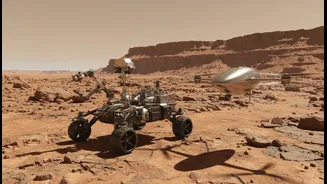
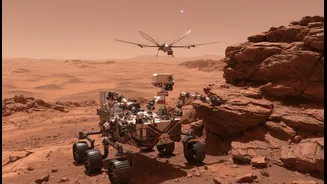
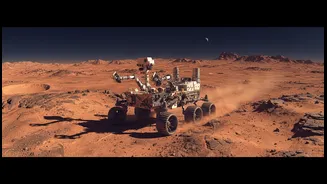
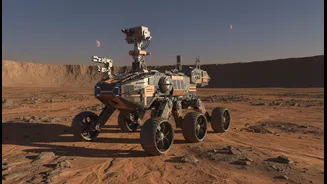
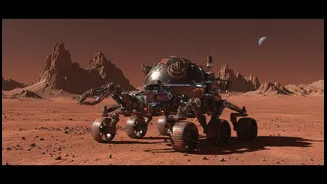
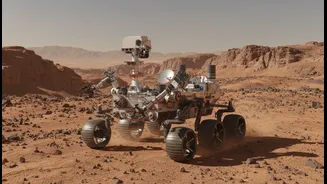
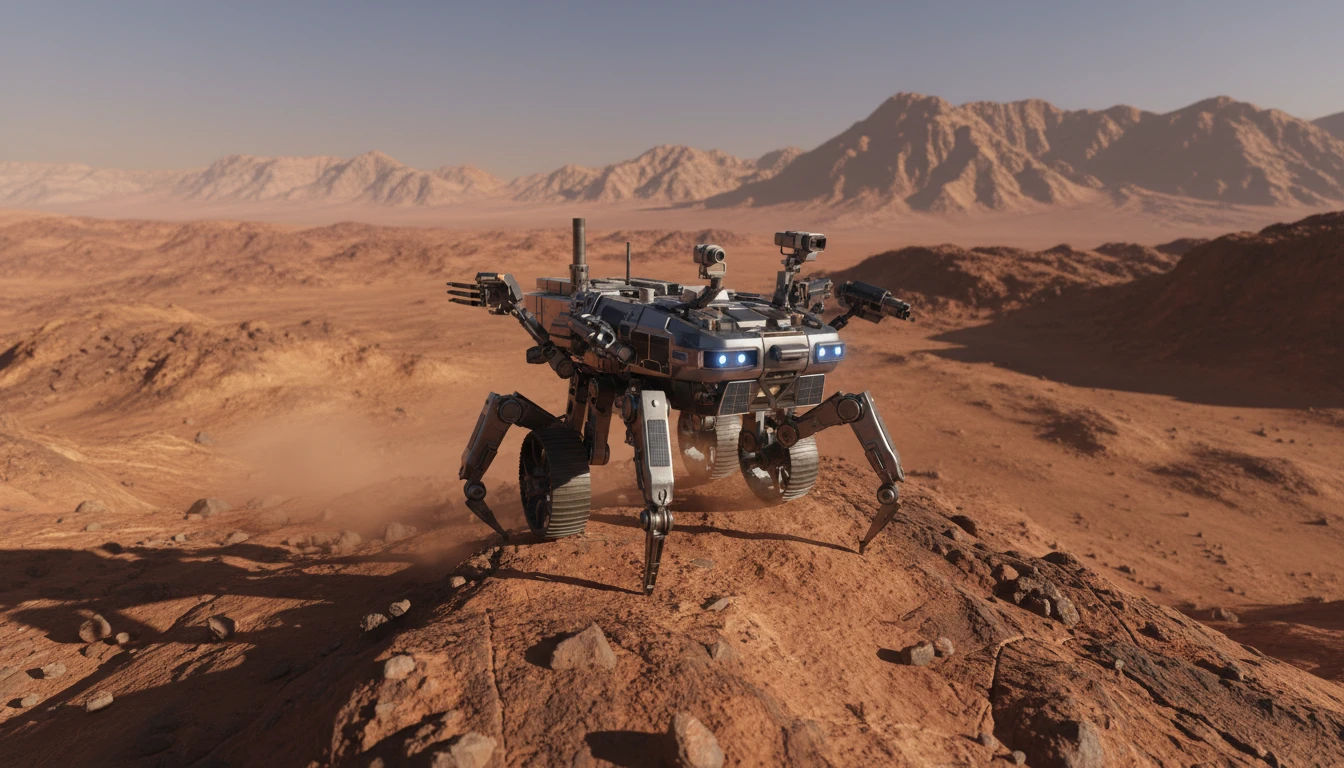
The primary goal of the STRIDE program is to develop robots that can go where current rovers cannot. While rovers like Curiosity and Perseverance have been incredibly successful, their six-wheeled designs limit them to relatively flat terrain. Many scientifically valuable regions—such as steep crater walls, canyons, and potential caves—remain out of reach. The new contracts will explore alternative mobility solutions. This could include everything from advanced legged robots capable of climbing slopes to new types of aerial vehicles that build on the lessons learned from Ingenuity. The aim is to create a toolkit of robotic explorers that can handle the diverse and rugged Martian landscape, allowing scientists to investigate previously inaccessible areas and hunt for signs of past life in more challenging environments. Greater mobility also means covering more ground, faster, dramatically increasing the scientific return of future missions.
Paving the Way for Future Missions
These new robotic systems are not just technology demonstrations; they are foundational for NASA's long-term ambitions on Mars. The capabilities developed under STRIDE will directly support major upcoming efforts, including the ambitious Mars Sample Return campaign, which aims to bring the first pristine samples of Martian rock and soil back to Earth. Future robotic explorers will need to be more autonomous, capable of making intelligent decisions without constant guidance from Earth due to significant communication delays. They will also need to be able to work collaboratively, potentially in swarms, to perform complex tasks like construction or detailed surveying. Ultimately, these advancements are a crucial precursor to sending humans to Mars. By using commercial robots to map the terrain, identify resources, and understand environmental hazards, NASA is methodically reducing the risks for the first astronauts who will one day walk on the Red Planet.