




The Ghost Pepper's Allure
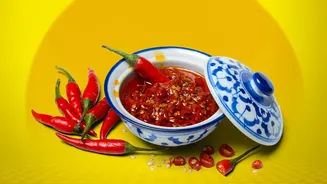
The ingredient at the heart of this trend is the Bhut Jolokia, famously known as the ghost pepper. Native to the Northeast, particularly states like Nagaland and Assam, this chilli was once certified as the world's hottest. But its appeal isn't just about
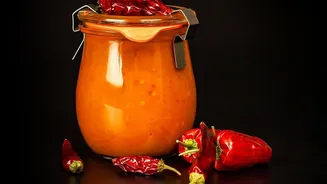
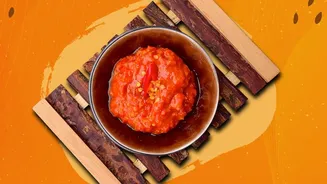
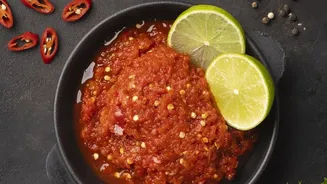
the scorching heat, which can exceed one million Scoville Heat Units. Chefs and food lovers are drawn to its unique flavour profile: a smoky, almost fruity taste that provides a complex heat, not just a sharp burn. Traditionally used in regional cuisines for chutneys, pickles, and curries, the Bhut Jolokia, or 'Naga King Chilli', is a cultural emblem, deeply rooted in the heritage of Naga tribes.
From Regional Pride to Urban Trend
For years, the Bhut Jolokia remained a celebrated but largely regional treasure. Its journey into the nation's metropolitan centres is part of a larger, exciting shift in India's food landscape. Diners, especially in big cities, are actively seeking out authentic, regional Indian flavours that go beyond the usual offerings. There's a growing appetite for the diverse culinary stories that different states have to offer. This curiosity, coupled with the efforts of Northeastern entrepreneurs and food festivals, has helped introduce ingredients like the ghost pepper to a wider audience, paving the way for its entry into the mainstream.
A Fusion Firestorm on Menus
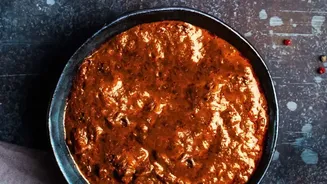
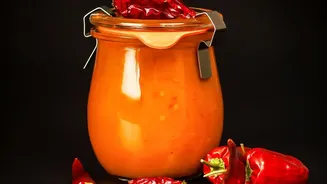
So how are urban cafes using this potent pepper? The answer lies in fusion. Instead of serving traditional Naga dishes, chefs are incorporating Bhut Jolokia condiments into popular global formats. Think of a fiery ghost pepper mayonnaise slathered on a gourmet burger, a spicy dip served with fries, or a Bhut Jolokia-infused hot sauce drizzled over pizza or pasta. Some adventurous mixologists are even using its smoky notes in cocktails. This approach makes the intense chilli more accessible. By blending it into familiar foods like Indo-Italian pasta or fusion tacos, cafes are introducing an adventurous flavour to diners who might otherwise find it too intimidating.
Why We Crave the Heat Now
The rise of the Bhut Jolokia isn't just a fleeting trend; it reflects a deeper change in the Indian palate. As a nation, our tolerance and appreciation for complex spice have evolved. This movement is driven by a desire for authenticity and a rejection of one-dimensional, generic 'spicy' food. The 2026 food scene is increasingly defined by hyper-regional ingredients and a celebration of India's vast culinary diversity. Diners are more adventurous and better informed, thanks to social media and a vibrant food blogging culture. The ghost pepper, with its rich backstory and unforgettable flavour, fits perfectly into this new era of conscious, experience-driven dining.