





Nature's Air Conditioners
Plants are more than just decoration; they are powerful, natural cooling systems. They combat heat in two primary ways. The first is through shading. The leaves of trees, shrubs, and vines block direct sunlight from hitting the walls and roofs of our
homes, which can dramatically reduce the amount of heat absorbed. Shaded surfaces can be significantly cooler than those exposed to the sun. The second, more subtle method is called evapotranspiration. In this process, plants absorb water through their roots and then release it as water vapour from their leaves. This process uses heat from the surrounding air, actively cooling it down, much like how sweating cools our bodies. A single large, mature tree can transpire hundreds of litres of water a day, providing a cooling effect equivalent to running several air conditioners.
The Power of a Well-Placed Tree
When it comes to cooling, nothing beats a large shade tree. A strategically planted tree can reduce a home's energy costs for cooling by up to 25%. The most effective strategy is to plant deciduous trees—those that lose their leaves in winter—on the south and west sides of your property. During the intense summer months, their broad canopies will block the harsh sun when it's at its highest and most intense in the afternoon. In the winter, their bare branches will allow the milder winter sun to pass through, helping to warm your home naturally. Fast-growing species like Silver Maple or River Birch can provide shade relatively quickly, but long-lasting native options like Neem are also excellent choices for their resilience and dense canopy. Planting trees in clusters can also amplify their cooling effect by creating a larger shaded area.
Going Vertical: Green Walls and Balcony Gardens
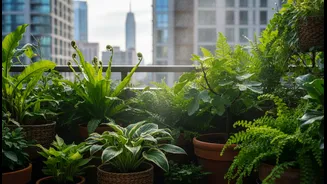
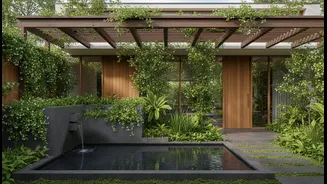
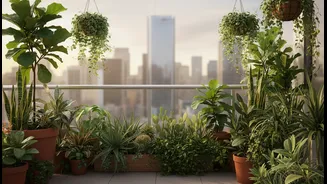
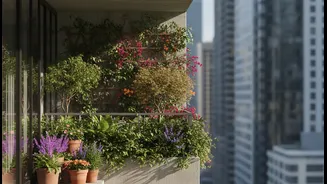
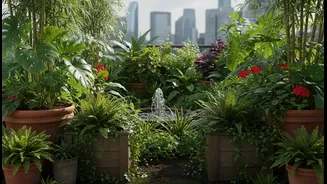
For many urban dwellers in apartments and tightly packed neighbourhoods, planting a large tree isn't an option. This is where vertical gardens and climbers shine. A green wall, or a facade covered in climbing plants, acts as a living shield for your home. These vertical green systems can reduce wall surface temperatures substantially. Fast-growing vines like Bougainvillea or Betel Leaf can be trained up a trellis or wires on sun-facing walls. This creates an insulating layer of green that not only shades the wall but also creates a cooler microclimate through evapotranspiration. Even for those with only a balcony, a collection of potted plants can make a difference. Grouping plants like Areca Palm, Spider Plant, and various ferns can increase local humidity and cool the air entering your home.
Green Roofs and Cool Terraces
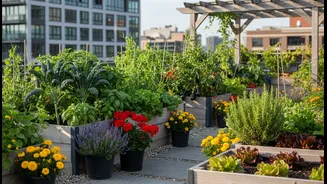
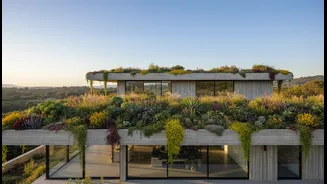
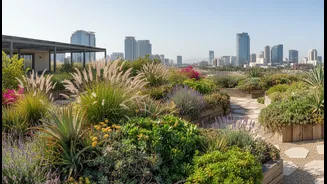
The roof is one of the biggest culprits for heat gain in a building. A green roof, which involves covering a rooftop with a layer of soil and vegetation, is a highly effective solution. Green roofs act as a powerful insulator, drastically reducing heat transfer into the building and lowering the need for air conditioning. Studies have shown they can lower the surface temperature of a roof by a significant margin compared to conventional roofs. For a simpler approach on a terrace, covering the bare concrete floor is key. Naked concrete absorbs and radiates immense heat. Using groundcover plants, or even arranging a dense collection of potted plants like Tulsi (Indian Basil), can prevent this heat absorption and help keep the entire building cooler. These plants create a cooler surface and release moisture, creating a more comfortable environment.
Smart Choices for a Cooler Home
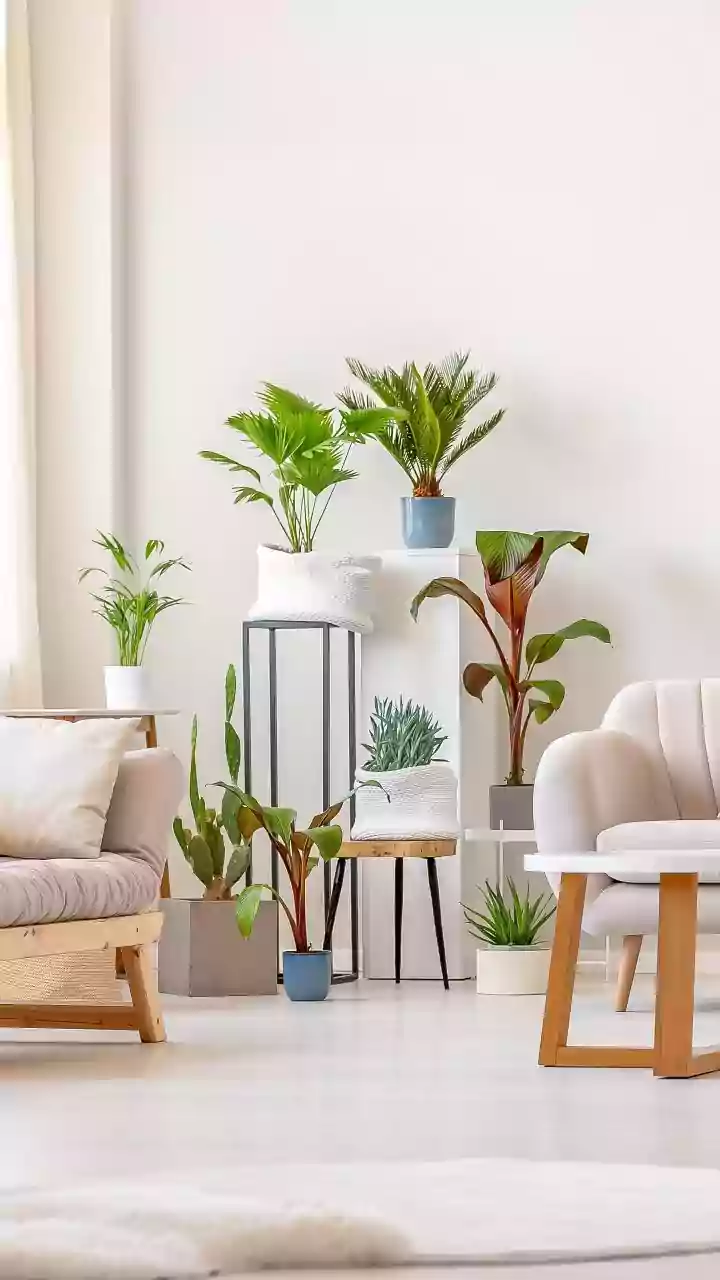
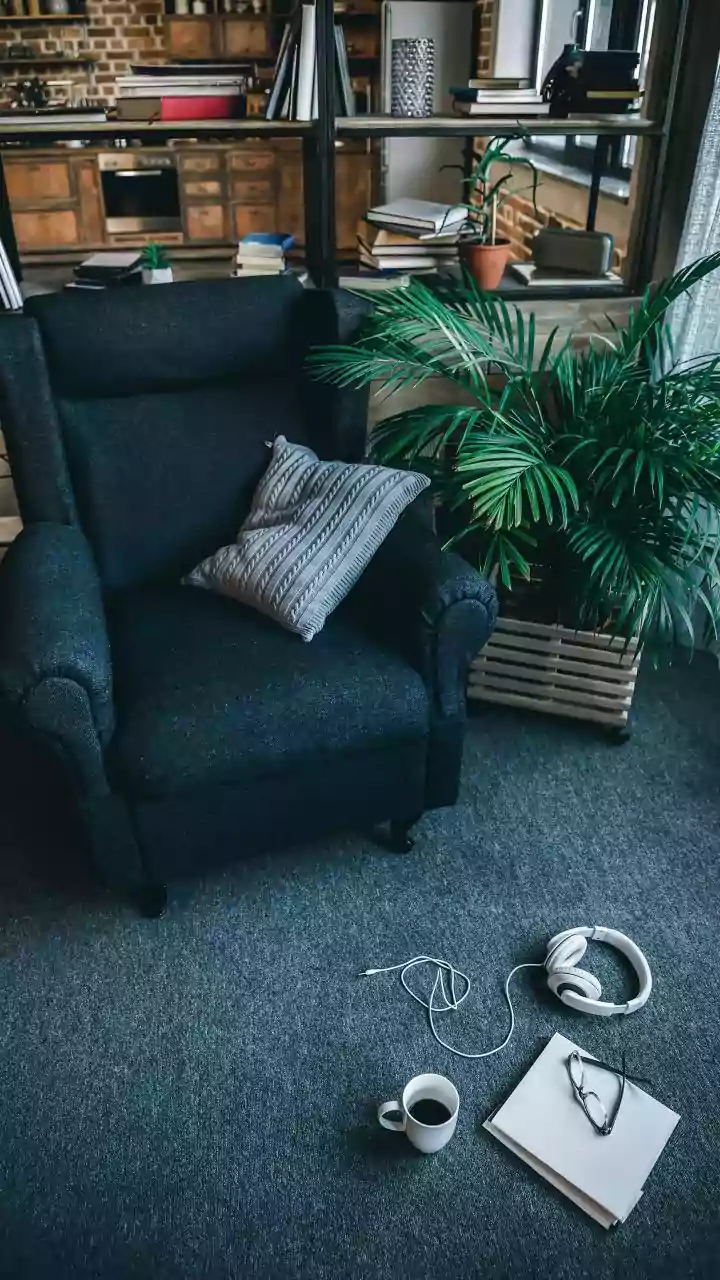
Even small plants can contribute to a cooler indoor environment. Plants with large leaves, like the Rubber Plant or Peace Lily, are particularly good at transpiring and increasing indoor humidity, which can make a room feel fresher. Aloe Vera is another excellent choice; it purifies the air and its high water content helps it release cool moisture. Snake Plants are also beneficial as they release oxygen at night, which can contribute to a cooler and more pleasant sleeping environment. Placing these plants near sunny windows can help filter the light and cool the air as it enters your home. By combining different types of plants—from large trees to indoor pots—you create layers of cooling that work together to soften the harsh urban heat.