






A New Horizon for Indian Travel
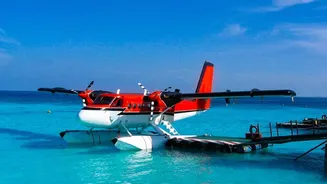
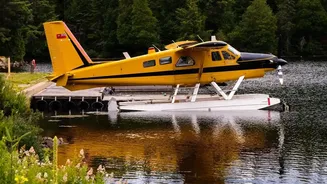
Imagine skipping long ferry rides and bumpy roads, instead soaring over turquoise waters to land directly in a tranquil lagoon. This is the promise of seaplane travel, which is being given a significant push under the government's UDAN (Ude Desh ka Aam
Nagrik) scheme. The initiative aims to enhance regional connectivity by making air travel affordable and accessible. By developing a network of 'water aerodromes'—designated areas on rivers, lakes, and coastal waters—the government is paving the way for aircraft that can land where traditional airports can't be built. This amphibious approach to travel is poised to revolutionize how we explore India's most scenic and secluded spots, turning hours of travel time into breathtakingly short and scenic journeys.
Connecting the Andaman & Nicobar Islands
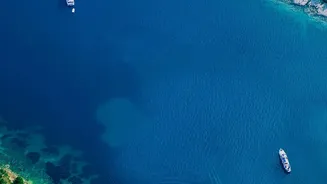
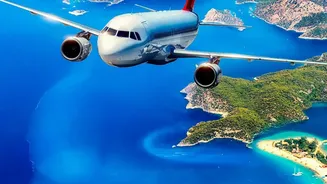
The Andaman and Nicobar archipelago, a jewel in the Bay of Bengal, is a prime candidate for this transport revolution. While Port Blair serves as the main entry point, reaching its most beautiful islands like Swaraj Dweep (Havelock), Shaheed Dweep (Neil), and Long Island often requires multi-hour ferry journeys. The UDAN scheme has awarded several water aerodrome routes connecting these very islands. Seaplanes will offer a dramatic reduction in travel time, allowing tourists to seamlessly hop between islands. More importantly, they provide a stunning aerial perspective of the dense green forests, white-sand beaches, and vibrant coral reefs that make this region a world-class destination. This will not only enhance the visitor experience but also help distribute tourism more evenly across the archipelago.
Lakshadweep: Pristine and Now Closer
Lakshadweep, with its atolls of unparalleled beauty, is set to be a major beneficiary of upcoming seaplane services. The government has identified several sites for water aerodromes, including on the islands of Agatti, Kavaratti, and Minicoy. The focus on Lakshadweep has intensified recently, with new operators like SkyHop Aviation making significant moves. The company recently announced plans to build a dedicated seaplane network, with initial operations focusing on connecting the islands to the mainland. By introducing amphibious aircraft, these services will drastically improve access to one of India’s most exclusive and environmentally sensitive destinations, potentially opening new avenues for sustainable, high-value tourism while respecting the delicate ecology of the region.
The Promise for the Mainland Coast
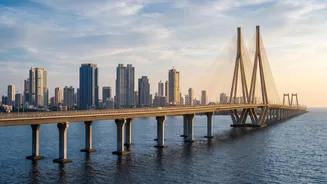
The impact of seaplanes won't be limited to the islands. The project envisions hubs along India’s extensive mainland coastline. Routes have been proposed connecting major cities like Mumbai to pilgrimage sites like Shirdi and offbeat Konkan coast destinations. Similarly, services from Surat to religious and coastal towns in Gujarat like Dwarka are on the cards. In the east, Odisha's magnificent Chilika Lake, a biodiversity hotspot, is also slated to get a water aerodrome. These connections would transform weekend getaways, allowing travelers to bypass road traffic and access beaches, forts, and wildlife sanctuaries in a fraction of the time. The iconic Ahmedabad-Statue of Unity route, which operated briefly, provided a glimpse of this potential, and its lessons are now shaping the broader national rollout.
What to Expect Next
While many of these routes are in advanced planning stages or have been awarded to operators, the rollout will be gradual. Building the necessary infrastructure, including floating jetties and passenger facilities, and ensuring regulatory compliance takes time. However, with simplified guidelines for operators and dedicated bidding rounds under UDAN, the momentum is undeniable. Private airline operators are investing in amphibious aircraft, and demonstration flights have been successfully conducted in various parts of the country. For the Indian traveler, this signals the dawn of a new and exciting era. The dream of effortlessly reaching the nation's most remote and beautiful water-based destinations is, quite literally, preparing for takeoff.