





The Challenge with Classic July Travel
For years, the blueprint for a July vacation was simple: pick a popular spot and go. But that model is becoming increasingly stressful. The anxiety of missing out, often fuelled by picture-perfect social media feeds, pushes travellers toward the same
destinations at the same time, creating a bottleneck of demand. The result is crowded beaches, long queues, and the feeling that you’re sharing your serene escape with thousands. Add to this the growing impact of climate change—bringing intense heatwaves and erratic monsoons—and the spontaneous summer trip starts to lose its charm. Airlines are even forced to manage flight capacity during extreme heat because hot, less dense air makes take-off more difficult. It’s clear that a new, more deliberate approach to travel is needed.
Embrace the Weather Forecast
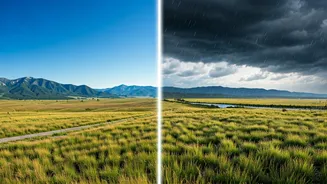
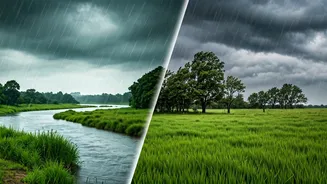
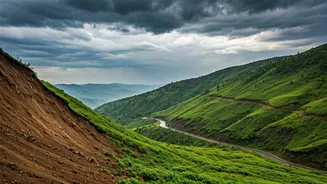
In India, July means monsoon season for most of the country. This transforms landscapes into lush, green paradises but also brings practical challenges. Planning a trip now requires more than just checking for rain. Modern weather planning involves looking at 5-to-7-day forecasts for actionable insights, not just seasonal averages weeks in advance. For travellers in India, this means monitoring the intensity of monsoon showers, which can affect road travel, especially in hilly regions like the Western Ghats. In fact, many monsoon destinations like Munnar, Coorg, and Mahabaleshwar are at their most beautiful but require flexible itineraries to account for potential disruptions. Conversely, regions like Ladakh and Spiti Valley are in a rain shadow, making them ideal dry-weather alternatives. Smart planning means having weather-independent activities as a backup, like a museum visit or a cooking class.
Predicting Crowds and Costs
Just as we forecast weather, we can now forecast crowds and costs. The social media-driven urge to see everything can lead to a frantic, checklist-style holiday. Instead of chasing what’s trending, use tools to find a better experience. Crowd-forecasting tools, some looking at school holidays and historical foot traffic, can help you anticipate how busy a destination will be. This data allows you to travel smarter, perhaps by visiting a popular site at an off-peak time or choosing a less-congested alternative nearby. The same logic applies to your wallet. Dynamic pricing for flights and hotels means that costs can change daily. Financial forecasting tools and AI-powered trip cost estimators can give you a realistic budget based on your destination and travel style, helping you avoid the peak-price trap. Planning a trip during the shoulder season, if possible, can often reduce costs significantly.
The Rise of JOMO: The Joy of Missing Out
Shifting from FOMO to a forecast-based approach leads to a more satisfying travel philosophy: the Joy of Missing Out (JOMO). JOMO is about trading the anxiety of not doing everything for the peace of enjoying what you are doing. It’s the confidence that comes from a well-researched trip that aligns with your personal preferences, not just a trending hashtag. It means choosing a tranquil, rain-washed coffee plantation in Coorg over a packed tourist spot because you know the experience will be more restorative. It’s about accepting that you can't see everything on one trip and focusing on quality over quantity. This mindset shift is crucial. With many travellers looking for more meaningful experiences, a planned, intentional trip that accounts for reality often proves far more memorable than one spent chasing an impossible ideal.