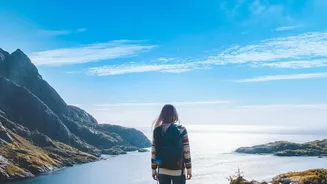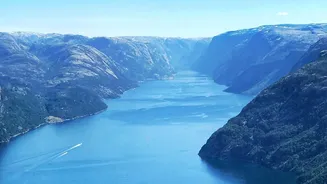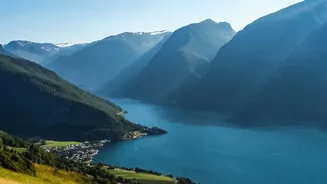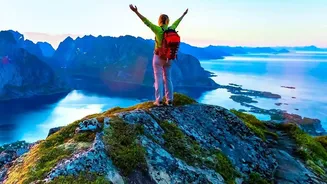

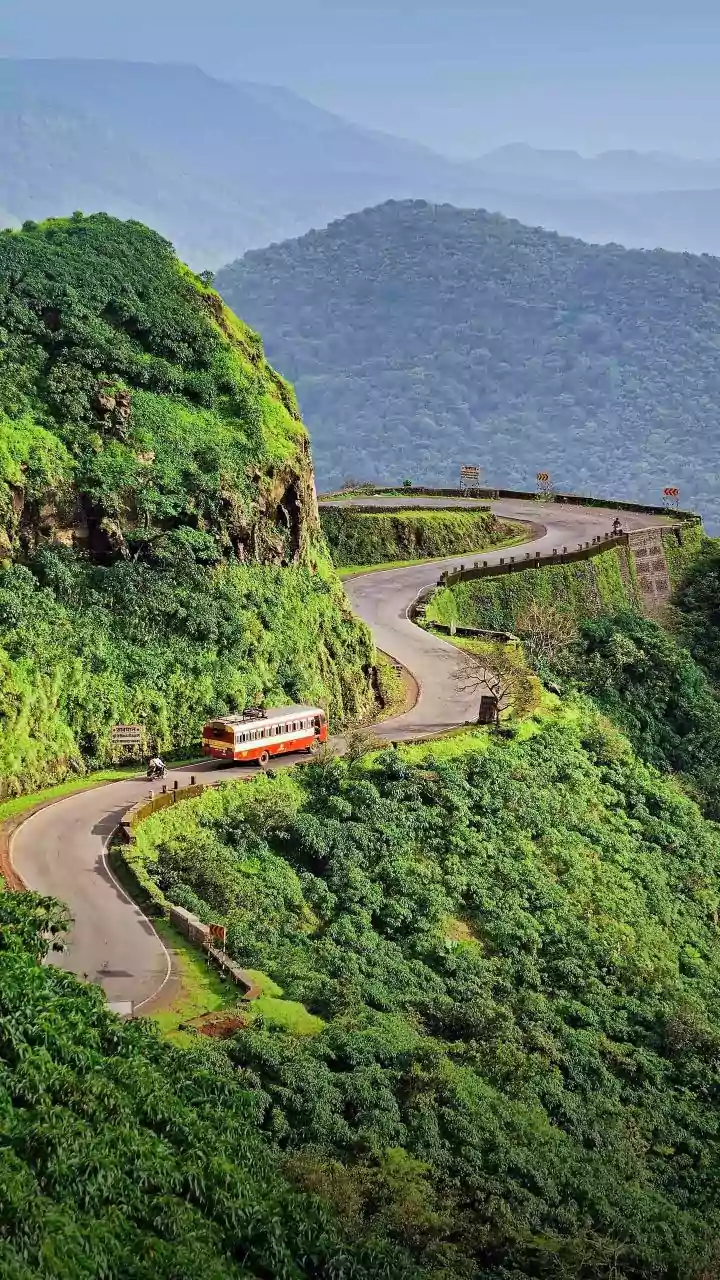

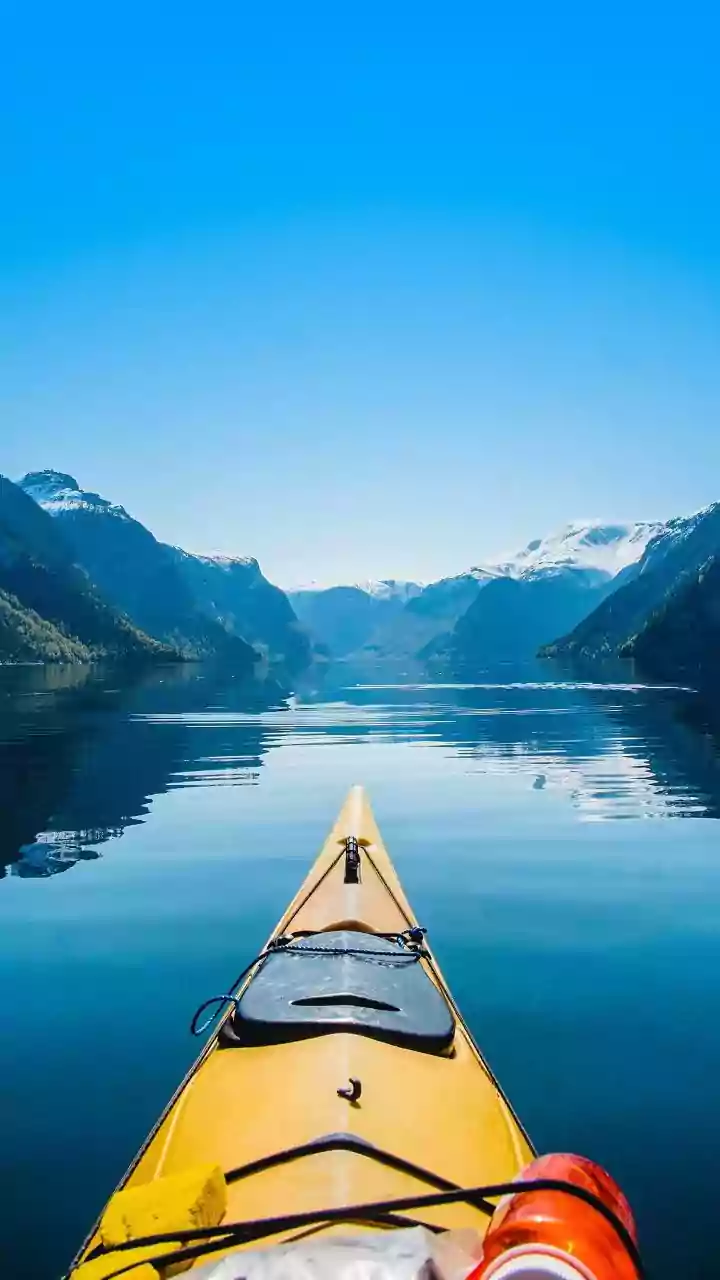

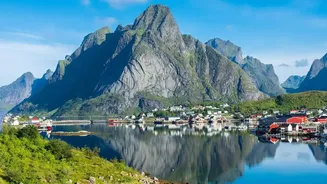
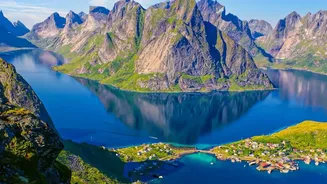
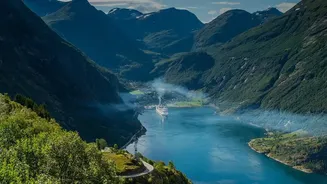
The monumental fjords of Europe are more than just breathtaking waterways carved between cliffs. They are invitations to a deeper adventure, where sightseeing by boat is just the beginning of a journey into nature, history, and geology.
Norway's Iconic Geirangerfjord
No list of fjords
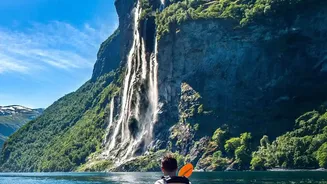
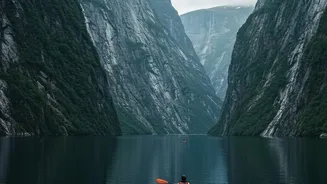
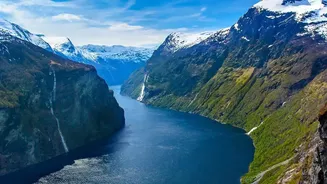
is complete without mentioning Norway, and the UNESCO-listed Geirangerfjord is a crown jewel. While boat tours showcase famous waterfalls like the Seven Sisters, the area is also a hiker's paradise. Trails range from accessible walks to challenging mountain ascents. A popular option is the Waterfall Walk from the village centre up to the Norwegian Fjord Centre. This path, complete with 327 steps, offers stunning views and a direct connection to the region's heritage. For a more strenuous adventure, trails lead to abandoned cliff-side farms like Skageflå, offering a tangible link to the history of life on the fjord. Geologically, the Geirangerfjord is a classic example of a U-shaped valley carved by glaciers during the Ice Age. Guided tours and the fjord centre provide rich stories on how ice sculpted these dramatic landscapes, and how ongoing geological processes, like a slowly widening mountain fracture, continue to shape the region.
Iceland's Ancient Westfjords
For a journey back in geological time, Iceland's Westfjords offer a unique and remote experience. This part of Iceland contains the country's oldest exposed rock, with some basalt layers dating back 16 million years. Unlike the volcanically active south, the Westfjords are geologically quiet, their dramatic shapes carved by massive glaciers during the Ice Age. This ancient, stable landscape creates a profoundly different atmosphere. A trip here combines stunning drives along serpentine coastal roads with exceptional hiking. The region is a paradise for walkers, with trails leading across starkly beautiful plateaus and along cliffs teeming with birdlife. You can hike to the breathtaking Dynjandi waterfall, which cascades over ancient lava flows, or explore the Hornstrandir Nature Reserve, an uninhabited wilderness accessible only by boat. Here, the geological story is one of erosion and deep time, providing a powerful backdrop for exploring the area's Viking history and saga-steeped landscapes.
Scotland's Storied Sea Lochs
In Scotland, the Gaelic word 'loch' can refer to a freshwater lake or a sea inlet. Many of the sea lochs on the west coast are technically fjords—deep, narrow inlets carved by glaciers. These waterways offer a perfect blend of dramatic scenery, rich history, and accessible walks. Areas like Loch Lomond & The Trossachs National Park provide numerous family-friendly trails and water activities. Further north, the Isle of Skye is home to the remote and beautiful Loch Coruisk, nestled in the heart of the Cuillin mountains and reachable by boat followed by a hike. The geology of the Scottish Highlands is a tale of ancient continents colliding, forming mountains that were later scoured by ice sheets. This created the rugged glens and deep lochs seen today. A walk along the coast of a sea loch like Loch Fyne, the longest in Scotland, or Loch Morar, the deepest freshwater body in the British Isles, connects you directly to this immense geological history.
Montenegro's Breathtaking Bay of Kotor
Often described as Europe's southernmost fjord, the Bay of Kotor is technically a 'ria'—a submerged river canyon. Semantics aside, its dramatic limestone cliffs plunging into the serene Adriatic Sea create a fjord-like landscape of spectacular beauty. This UNESCO World Heritage site is unique for its blend of natural wonder and rich cultural history. While boat tours explore highlights like the 'Our Lady of the Rocks' islet, the real adventure lies in the surrounding mountains. An extensive network of trails offers some of the best hiking in the Balkans. The most famous hike is the climb up the Ladder of Kotor, an old military path with over 70 switchbacks leading to the San Giovanni Fortress high above Kotor's Old Town. The panoramic views from the top are unforgettable. Other trails explore the Vrmac peninsula or lead to abandoned villages, all while telling a story of the region's strategic importance and the interplay between mountains and sea.