




Why Your Gut Is Vulnerable
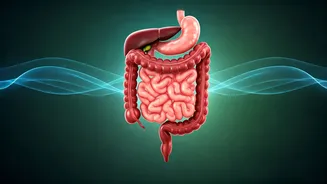
The monsoon season, as beautiful as it is, creates the perfect storm for digestive troubles. The high humidity slows down our metabolism and, according to Ayurveda, weakens our 'agni' or digestive fire. This means our system isn't as efficient at breaking
down food, making us susceptible to bloating, indigestion, and acidity. More importantly, the damp environment is a breeding ground for bacteria, viruses, and fungi. Water sources can become contaminated, leading to a higher risk of waterborne diseases like gastroenteritis, typhoid, and cholera. So, when your grandmother tells you to be careful about what you eat, she’s essentially handing you a gut-health playbook.
The Leafy Green Conundrum
One of the most common pieces of advice is to avoid leafy green vegetables like spinach and cabbage. This isn't because the vegetables themselves are bad, but because their folds, crinkles, and proximity to the ground make them magnets for mud, germs, and worms that thrive in the damp soil. The excess moisture makes them difficult to clean thoroughly. If you absolutely love your greens, don't despair. The key is preparation. Opt for thoroughly cooking them at high temperatures, which kills most harmful pathogens. Steaming or adding them to soups and dals is much safer than eating them raw in salads or as a quick stir-fry.
Embrace Light, Warm, and Cooked Meals
Since your digestive system is already working at a slower pace, the best thing you can do is give it easy-to-digest foods. Think warm, light, and nourishing. This is the season for comforting bowls of moong dal khichdi, vegetable soups, light stews, and steamed dishes. Heavy, oily, and fried foods like samosas and pakoras, while incredibly tempting, put an immense strain on your gut. If you must indulge, do so in moderation and preferably home-cooked. Incorporating bitter vegetables and herbs like neem, bitter gourd (karela), and turmeric is also an excellent idea. They are known to stimulate digestion and have anti-bacterial properties.
Harness the Power of Spices
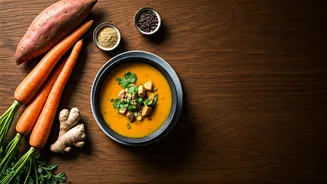
Your spice box is your best friend during the monsoon. Spices aren't just for flavour; many have powerful medicinal properties that are perfect for this season. Ginger, with its anti-inflammatory properties, is excellent for soothing the digestive tract and can be added to tea or meals. Garlic is a potent natural antibiotic. Turmeric (haldi) is a powerhouse of immunity-boosting and antiseptic qualities. A pinch of asafoetida (hing) can help prevent gas and bloating, while black pepper aids digestion and nutrient absorption. Making these spices a regular part of your cooking is a simple yet effective way to fortify your system from within.
The Street Food and Seafood Warning
The siren call of street-side pani puri and chaat is strongest during a downpour, but this is the riskiest time to indulge. The water used is often of questionable origin, and the food is exposed to the humid, germ-laden air for hours. It’s a direct invitation for stomach infections. Similarly, seafood should be approached with caution. The monsoon season is the breeding period for most fish and prawns, which means the catch may not be fresh. Furthermore, water pollution is at its peak, and fish can be contaminated with toxins. It’s wiser to stick to chicken and eggs for your protein or get your fish from a highly trusted, verifiable source.
Be Smart About Fruits and Dairy
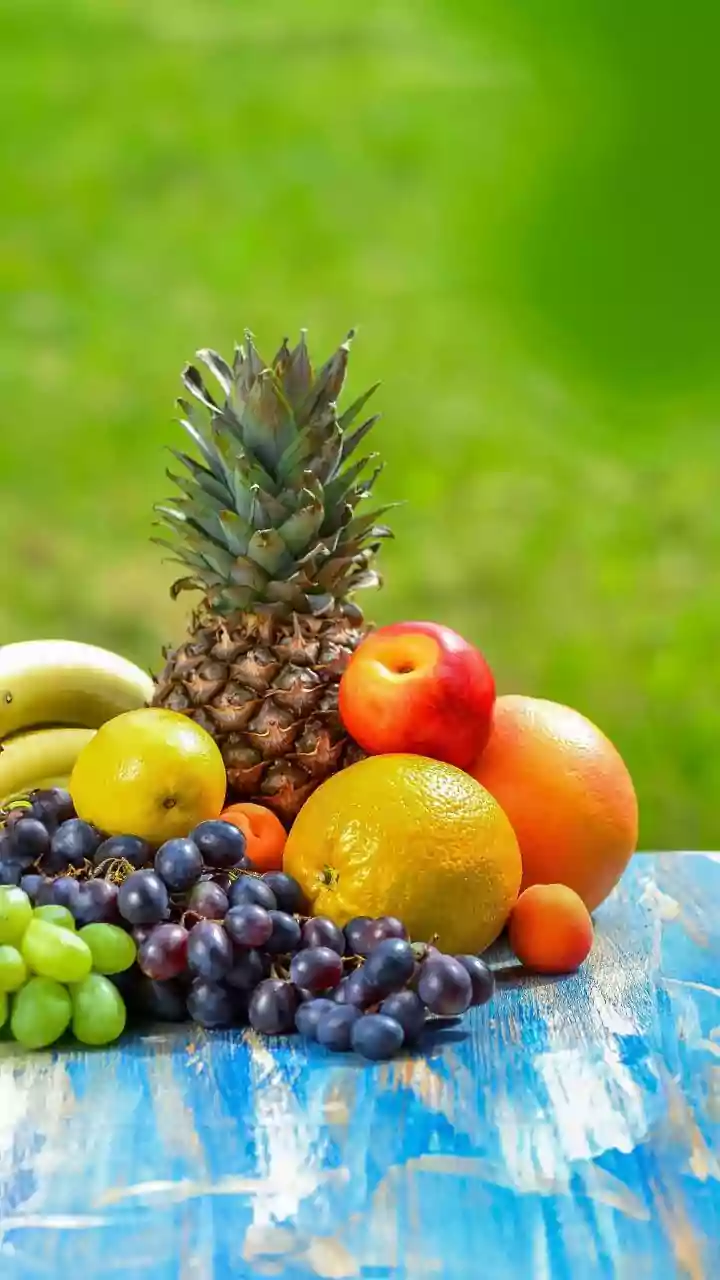
Fruits are essential, but be selective. Favour seasonal options like jamun, plums, peaches, and cherries. Always wash them thoroughly and consume them fresh. Avoid buying pre-cut fruits from vendors, as they are highly susceptible to contamination. Watermelon and muskmelon, while hydrating, might cause bloating if your digestion is weak. As for dairy, opinions differ. While curd (dahi) is a probiotic, some find that it can increase mucus production (kapha) during this season, potentially worsening colds and coughs. If you tolerate it well, ensure it’s fresh and homemade. Otherwise, opt for buttermilk (chaas) with a dash of ginger or cumin, which is lighter and easier to digest.