
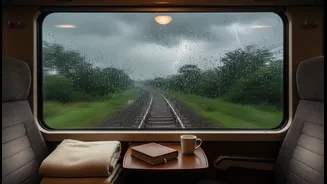




General Monsoon Preparedness
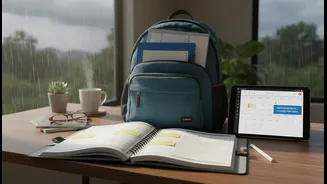
Before even stepping out, a little preparation can make all the difference. Check the weather forecast and traffic updates to anticipate delays or blocked routes. Pack your essentials in waterproof bags to protect electronics and documents. A sturdy umbrella,
a lightweight raincoat, and a fully charged phone with a power bank are non-negotiable. Also, choose your footwear wisely; opt for shoes or sandals with a good grip to avoid slipping on wet surfaces.
On the Roads: For Drivers and Riders
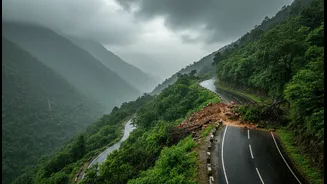
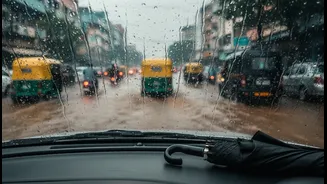
Driving during the monsoon demands your full attention. Wet roads increase braking distances and the risk of skidding, so the most important rule is to slow down and maintain a greater distance from the vehicle ahead. Turn on your headlights, even in light rain, to improve your visibility and help others see you. Before you start your journey, ensure your tyres have adequate tread, your brakes are working perfectly, and your wipers are in good condition. It’s also wise to keep your fuel tank topped up, as you never know when you might get stuck in a long traffic jam caused by waterlogging.
Don't: Navigate Flooded Streets
It can be tempting to drive through a waterlogged street, but it's incredibly dangerous. Floodwater can conceal deep potholes, open manholes, or washed-away sections of the road. Just six inches of water can cause a passenger car to lose control or stall, and two feet of moving water can carry away most vehicles, including SUVs. The engine's air intake can suck in water, causing catastrophic damage. If you encounter a flooded road, the safest option is always to turn around and find an alternate route.
On the Rails: For Train Commuters
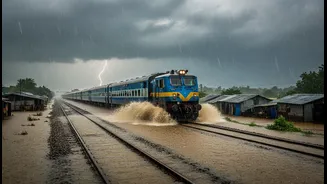
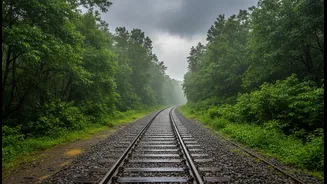
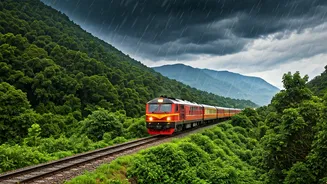
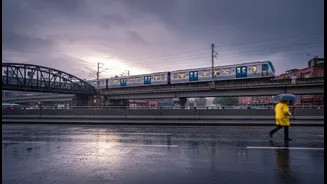
Heavy rains frequently lead to delays, diversions, and even cancellations of train services due to waterlogged tracks or landslides. Before heading to the station, always check your train's status online or via railway apps. Platforms and footbridges can become extremely slippery, so walk carefully and always stay behind the yellow safety line. Avoid crossing railway tracks under any circumstances, even if trains seem to be delayed indefinitely. Listen carefully to station announcements for any updates or platform changes.
Don't: Crowd the Doors or Take Risks
Standing near the open doors of a moving train is always risky, but it's even more so during the monsoon. Sudden jerks combined with a slippery floor can easily lead to a fall. Heavy rain can also loosen objects near the tracks that you won't see coming. Inside the train, be mindful that floors will be wet and slippery from dripping umbrellas and raincoats. Hold onto handrails when moving through the cars. Patience is key; wait for passengers to alight before you board, and give yourself plenty of time.
In the Metro: A Drier Alternative?
Metros are often a preferred option during the monsoon, but they come with their own set of challenges. Stations, especially key interchanges, can become extremely crowded as more people opt for underground travel. Be prepared for longer queues and slower movement. While inside, floors and stairs can still be wet and slippery from commuters' umbrellas and shoes. Always hold the handrail on escalators and stairs. Keep an eye on official metro advisories, as heavy flooding outside can sometimes lead to the temporary closure of certain station gates to manage crowds and prevent water from entering.
Don't: Be Unprepared for the Last Mile
Reaching your destination station is only half the battle. The area just outside metro exits can be severely waterlogged, disrupting last-mile connectivity. Autos and e-rickshaws may be unavailable or may refuse to ply through flooded streets. It's wise to build a buffer into your travel time for these potential delays. If possible, use skywalks or covered pathways to navigate around flooded areas at street level. Planning how you'll get from the station to your final destination is just as important as the main journey itself.