





The Modern-Day Sous-Chef
For many, the biggest daily culinary question is, “What should I cook today?”. Traditionally, the answer came from cookbooks, family advice, or a quick internet search. Today, AI has become a genuine daily tool for many home cooks. Instead of endless
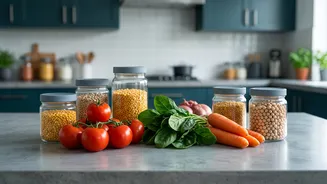
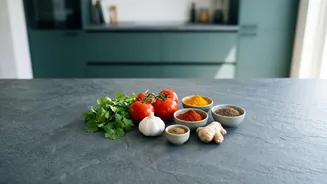
scrolling through food blogs, you can now ask an AI chatbot what to make with leftover paneer, two tomatoes, and a handful of spices. These AI assistants act as virtual sous-chefs, capable of generating recipe ideas in seconds. This solves the common problems of decision fatigue and food waste by providing immediate, actionable meal suggestions based on the ingredients you already have. This shift from static recipe databases to dynamic, creative AI is changing how we approach our daily meals.
Built for the Indian Kitchen
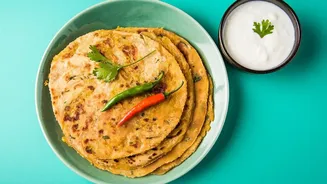
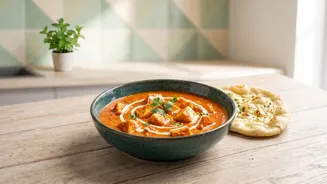
Early AI recipe generators often struggled with the nuances of Indian cuisine. However, a new generation of apps and models are being fine-tuned specifically for the Indian palate. Platforms like PlanNEat and NutriPlan are designed from the ground up for Indian home cooking, with databases of hundreds of regional dishes. They understand the structure of an Indian meal—roti/rice, a curry, a sabji, and accompaniments—unlike global apps that often provide a single slot per meal. Some tools can even be customised; if your family's dal makhani uses a specific ingredient, the app can remember it for all future grocery lists. This focus on home-style, regional food makes AI far more practical for the everyday Indian cook.
More Than Just a Recipe
The utility of AI extends well beyond just generating a list of ingredients and steps. These tools are becoming comprehensive kitchen assistants. Many AI-powered apps can create personalised weekly meal plans based on your health goals, dietary restrictions, and taste preferences. Once the plan is set, they can automatically generate a shopping list, saving time and reducing last-minute grocery runs. For those looking to eat healthier, AI can suggest modifications to make a recipe lower in fat, swap allergens, or increase protein content. This level of personalisation, which once might have required a nutritionist, is now accessible to anyone with a smartphone.
A Tool for Creativity, Not a Replacement
A common concern is that AI might take the soul out of cooking, a practice deeply rooted in human intuition and connection. However, many see it not as a replacement, but as a launchpad for creativity. For experienced cooks, AI can be a brainstorming partner, helping to analyse new flavour combinations or research regional techniques. It can suggest unusual but scientifically sound ingredient pairings, giving cooks the confidence to experiment. For beginners, it lowers the barrier to entry, making the kitchen feel more accessible. The consensus among many chefs and home cooks is that AI is a powerful tool. It handles the logistical legwork—planning, scaling recipes, and overcoming creative blocks—freeing up the cook to focus on the art. The AI can generate a structurally sound recipe, but it cannot taste the food or understand the perfect texture of a sauce. That human touch remains irreplaceable.