

What Exactly Is Pepper Rasam?
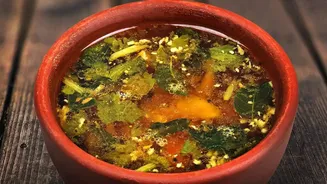
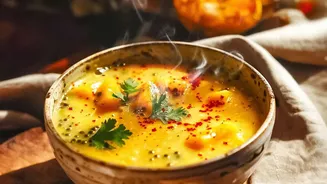
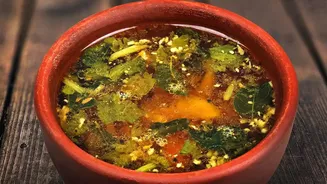
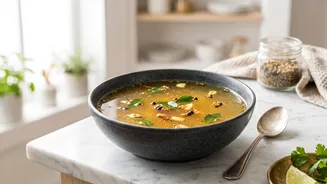
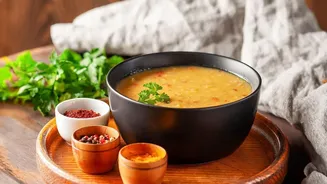
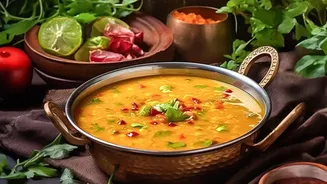
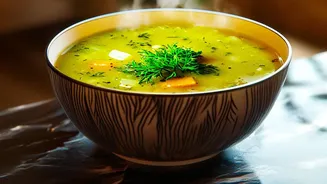
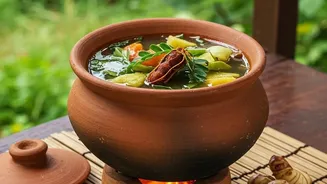
Pepper rasam is a thin, tangy, and spicy soup that holds a cherished place in South Indian cuisine. Its name, 'milagu rasam', comes from its star ingredient, 'milagu' (black pepper). Unlike thicker lentil-based dals, rasam is a light, watery broth, typically
built on a base of tamarind juice, tomatoes, and a special blend of spices. While there are countless variations, the constant is its signature pungent and warming flavour profile. It can be consumed on its own as a comforting soup or, as is most common, mixed with hot steamed rice. For generations, it has been the go-to food when someone is feeling under the weather, renowned for its ability to soothe and provide light nourishment.
A Traditional Ally During Cold and Flu Season
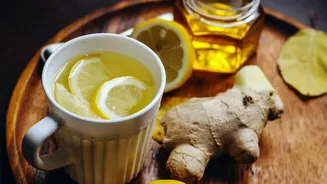
In many families, pepper rasam is considered the first line of defence and comfort when symptoms of a cold, cough, or flu appear. It's the South Indian equivalent of chicken soup—a warm, hydrating, and easy-to-digest food that feels restorative. The warmth of the soup itself can be incredibly soothing for a sore throat, while its fluid consistency helps with hydration, which is crucial during an illness. Traditionally, it is believed that the spices in rasam possess properties that help alleviate common cold symptoms like congestion and body aches. This long-held belief has made it a staple remedy passed down through generations.
The Power of Pepper and Other Spices
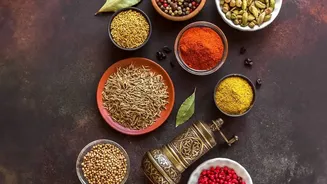
Black pepper, the hero ingredient, is prized for more than just its heat. It contains piperine, a compound that gives pepper its distinct flavour. Traditionally, black pepper is used as a natural expectorant, believed to help break down and clear mucus from the respiratory passages. Its warming nature is thought to soothe throat irritation and ease coughing. But pepper isn't working alone. Rasam is a symphony of functional ingredients. Garlic and cumin, often ground with the pepper, are also believed to have immunity-boosting properties. Turmeric, another common addition, is well-known for its anti-inflammatory compounds. Together, these spices create a blend that is not only flavourful but also packed with potential wellness benefits.
More Than Just a Remedy
While its role during sick days is famous, pepper rasam is a beloved dish enjoyed year-round. Beyond its use for colds, the ingredients in rasam are associated with other benefits. The tamarind base is rich in dietary fibre and antioxidants. Black pepper is also believed to stimulate digestive enzymes, which is why rasam is often served to help digest a heavy meal. The combination of spices is thought to support overall gut health and metabolism. With its low-calorie nature, it’s a light yet satisfying addition to any meal, providing essential vitamins and minerals from ingredients like tomatoes and various spices.
How to Best Enjoy Pepper Rasam
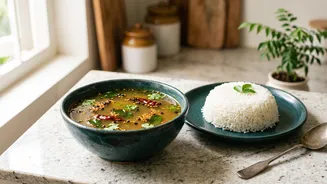
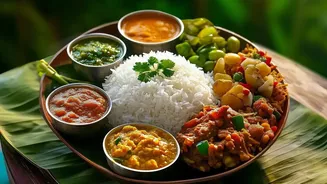
The versatility of pepper rasam is one of its greatest appeals. The most traditional way to serve it is poured over a mound of hot, steamed rice, often with a dollop of ghee. The rice can be mashed slightly to absorb the flavourful broth, creating a simple, soulful meal. This 'rasam rice' is often accompanied by a simple vegetable stir-fry (poriyal) or a crisp appalam (papad). Alternatively, pepper rasam can be served on its own as an appetizer or a light soup. Sipping a steaming mug of rasam on a chilly day or when you feel a sniffle coming on is a comforting experience in itself, offering warmth from the inside out.