





From Pet Owner to Pet Parent
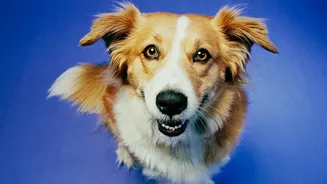
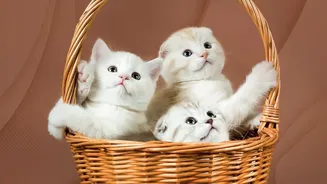
The foundation of this economic boom is a quiet cultural revolution. Across India, the relationship with companion animals is changing profoundly. The idea of being a 'pet parent' instead of just a 'pet owner' has taken firm root, especially among urban
households. Pets are increasingly seen as integral family members, deserving of high-quality food, healthcare, and comfort. This shift, often called 'pet humanization', means people are willing to spend more on their animal companions' well-being. This emotional shift is the primary engine driving demand for specialized products and services that were once considered niche luxuries. The pandemic significantly accelerated this trend, with a surge in pet adoptions as people sought companionship during lockdowns.
Why the Boom is Moving to Smaller Cities
While metros like Delhi, Mumbai, and Bengaluru still dominate the market, the most exciting growth story is unfolding in Tier-II and Tier-III cities. A key driver is rising disposable income and the expansion of nuclear families in these areas. As household purchasing power increases, so does the ability to spend on premium pet products. Furthermore, smaller cities are more connected and aspirational than ever before. Pet parents in these towns want the same quality of care for their pets that is available in larger urban centers. Quick-commerce and e-commerce platforms have played a massive role, breaking down distribution barriers and making premium and international brands accessible everywhere. This digital access has fueled demand, with some reports showing that non-metro cities are outpacing metros in the growth of pet care orders.
What the New Market Looks Like
The expanding market isn't just about selling more bags of dog food. It’s about a whole new ecosystem of goods and services. Pet food remains the largest segment, but the demand is shifting toward more specialized nutrition, including breed-specific formulas, grain-free options, and even treats like dog-friendly ice cream. Beyond food, the services segment is seeing explosive growth. This includes professional grooming salons, pet boarding facilities (or 'pet hotels'), training services, and even pet-friendly cafes. Veterinary care is also becoming more sophisticated, moving beyond basic services to offer specialized treatments, though access to organised, high-quality vet care remains a challenge in many smaller urban areas.
An Opportunity for Entrepreneurs and Brands
This geographic expansion represents a massive opportunity. The Indian pet care market is projected to grow significantly, with some estimates suggesting it could reach a value of over ₹25,000 crore by 2030. This has attracted both established FMCG giants and a wave of new startups. Domestic brands like Drools have seen phenomenal growth by building robust distribution networks that reach beyond the metros. Meanwhile, a new generation of 'pet-tech' startups are offering everything from online vet consultations to subscription boxes for pet supplies, often with a digital-first approach that can easily serve a wider geographic base. However, challenges remain. The supply chain in non-food segments can be fragmented, and there's a need to educate a large base of first-time pet parents.