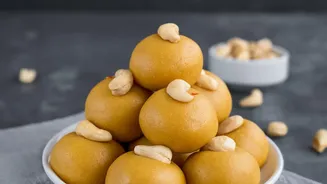


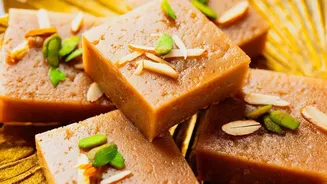

The aroma of besan roasting in ghee is pure nostalgia. But achieving that perfect, soft, melt-in-your-mouth besan ladoo can be tricky. This guide will walk you through the essential steps to ensure your homemade mithai is a tender, delicious success.
Choosing Your Core Ingredients
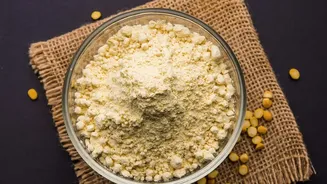
The magic of besan ladoo lies in its simplicity, typically requiring just three main ingredients: gram flour (besan), ghee, and sugar. For the softest texture, the quality of these ingredients is paramount. Use fresh, good-quality besan, as old flour can taste bitter. While fine besan works well for a smooth ladoo, some recipes suggest using a coarser variety known as 'ladoo besan' for a more traditional, grainy texture. If you only have fine besan, adding a tablespoon or two of semolina (sooji) can replicate this effect. Pure ghee is non-negotiable for achieving that authentic, rich aroma and flavour. For sweetness, finely powdered sugar is ideal, as it blends seamlessly into the mixture. You can grind regular sugar at home, but ensure it is powdered finely to avoid a gritty texture.
The Art of Roasting Besan
This is the most critical step and where patience pays off. The key to a flavourful, non-raw tasting ladoo is to roast the besan slowly and evenly on a low to medium-low flame. Rushing this process on high heat will burn the flour, resulting in a bitter taste. In a heavy-bottomed pan, melt the ghee and add the sifted besan. Constant stirring is essential to prevent the bottom from scorching and to ensure even cooking. Initially, the mixture will be thick and perhaps lumpy. As it roasts, it will loosen, become smoother, and eventually resemble a liquid paste as the ghee separates. This process can take anywhere from 15 to 25 minutes. You'll know it's done when the colour deepens to a golden brown and a distinctly nutty aroma fills your kitchen.
Getting the Sweetness and Texture Right
Timing is everything when it comes to adding the sugar. One of the most common mistakes is adding sugar to the besan mixture while it is still very hot. This will cause the sugar to melt, making the mixture runny and difficult to shape. After you've finished roasting, remove the pan from the heat and transfer the mixture to a separate plate or bowl to stop the cooking process. Allow it to cool until it is just warm to the touch—you should be able to handle it without discomfort. At this point, add the powdered sugar and flavourings like cardamom powder. Use your hands to mix and rub everything together until well combined.
Troubleshooting Common Ladoo Problems
Even with careful preparation, issues can arise. If your mixture is too dry and crumbly to form ladoos, it likely needs more ghee. Add a tablespoon of warm, melted ghee at a time until the mixture holds its shape when squeezed in your fist. Conversely, if the mixture is too soft or greasy, you may have added too much ghee. The best solution for this is to refrigerate the mixture for 20–30 minutes. This will help the ghee solidify slightly, making the ladoos easier to shape. If the ladoo tastes raw, it means the besan was understastededatedatedatedatedatedatedatedatedatedatedatedatedatedatedatedatedatedatedatedatedatedatedatedatedatedatedatedatedatedatededatdatedatdatedatdatedatdatedatdatedatdatedatdatedatdatedatdatedatdatedatdatedatdatedatdatedatdatedatdatedatdatedatdatedatdatedatdatedatdatedatdatedatdatedatdatdatdatdatdatdatdatdatdatdatdatdatdatdatdatdatdatdatdatdatdatdatdatdatdatdatdatdatdatdatdatdatdatdatdt