








Embrace Warming Spices
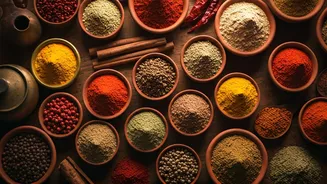
Spices like turmeric (haldi), ginger (adrak), garlic (lahsun), and black pepper (kali mirch) are cornerstones of a monsoon diet. Turmeric contains curcumin, a powerful anti-inflammatory and antiseptic compound. Ginger and garlic possess potent antiviral
and antibacterial properties that can help fend off common infections like colds and flu. These spices are not just for flavour; they actively aid digestion, which tends to be sluggish during the humid months. A simple way to incorporate them is through daily cooking in dals and vegetables, or by starting your day with a warm glass of ginger or lemon water. A nightly cup of turmeric milk, or 'haldi doodh', is a traditional remedy for boosting resistance.
Opt for Light, Cooked Vegetables
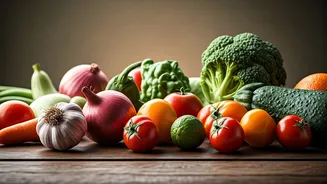
While leafy greens are generally healthy, during monsoon they can carry a higher risk of contamination from dirt and germs. It's wiser to choose seasonal gourds like bottle gourd (lauki), ridge gourd (tori), and bitter gourd (karela). These vegetables are light, and easy to digest, and packed with essential nutrients. According to both Ayurvedic principles and modern food safety, it is best to avoid raw salads and opt for steamed or well-cooked preparations. Cooking food at high temperatures helps kill any potential bacteria and viruses, making meals safer for consumption during this vulnerable season. Warm vegetable soups are another excellent way to get your nutrients while staying hydrated and warm.
Choose Pulses and Grains Wisely
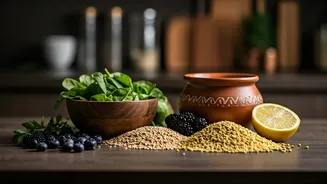
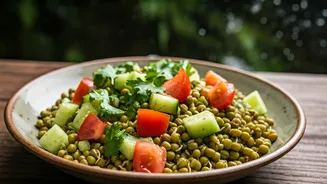
The rainy season calls for foods that are comforting yet easy on the digestive system. Moong dal is particularly recommended as it is light and easy to digest, providing a good source of protein without taxing the gut. Classic comfort dishes like khichdi, made from rice and moong dal, are ideal during this time. It's also beneficial to include old grains like barley and brown rice. Fermented foods like idli, dosa, and dhokla are also good choices as they are steamed and contain probiotics that support gut health. A healthy gut is directly linked to a strong immune system, which is your first line of defense against monsoon ailments.
Rely on Probiotics and Herbal Teas
Probiotics are crucial for maintaining a healthy balance of gut bacteria, which is essential for both digestion and immunity. Fresh, homemade curd (dahi) and buttermilk (chaas) are excellent sources. It's generally advised to consume them during the day, particularly at lunch, rather than at night when they can be harder to digest. Alongside probiotics, herbal teas made from tulsi (holy basil), ginger, and cinnamon can be incredibly beneficial. These teas not only keep you warm and hydrated but also provide a host of antioxidants and antimicrobial properties that help fight infections and soothe a sore throat. Swapping your regular tea for these herbal infusions can make a significant difference.
Pick Seasonal Fruits and Nuts
While it's important to be cautious with raw foods, certain seasonal fruits are highly recommended. Pomegranates, pears, apples, and jamun are great choices as they are rich in vitamins and antioxidants. Citrus fruits like oranges and sweet limes are packed with Vitamin C, a vital nutrient for producing the white blood cells that fight infection. Amla, or Indian gooseberry, is another powerhouse of Vitamin C. It's best to wash fruits thoroughly and peel them before eating. A daily handful of nuts and seeds like almonds and walnuts can also be beneficial, providing healthy fats, Vitamin E, and zinc, which are crucial for immune function.