







Understanding the El Niño Threat
El Niño is a climate pattern characterized by the unusual warming of surface waters in the eastern tropical Pacific Ocean. While it originates thousands of miles away, its ripple effects are felt globally. For India, a strong El Niño is often linked to
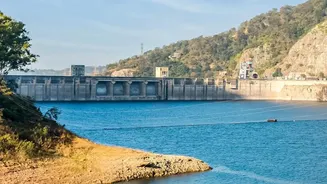
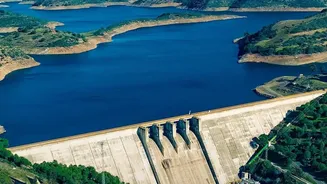
a weaker southwest monsoon, which provides the majority of the country's annual rainfall. Forecasts for 2026 indicate a strengthening El Niño, raising concerns about below-average rainfall, drought-like conditions, and hotter temperatures across the subcontinent. As of September 2026, India is already facing a significant rainfall deficit, putting the country on track for its driest monsoon in years and causing reservoir levels to drop. This directly threatens agriculture, drinking water supplies, and the economy.
Smarter Farming in the Face of Scarcity
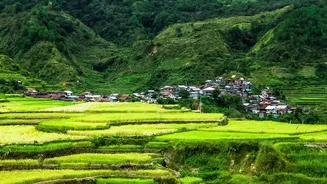
With agriculture consuming around 70% of India's water, this sector is on the front line. The government has already identified over 300 districts as vulnerable to weak monsoon conditions and is promoting contingency plans. A key strategy is shifting towards crops that require less water, such as millets and certain pulses, which are more resilient to dry conditions. Modern irrigation techniques are also crucial. Drip irrigation, which delivers water directly to the roots, can reduce water usage by over 50% compared to traditional flood irrigation. Additionally, practices like mulching (covering soil to reduce evaporation) and zero-till farming help retain soil moisture, making every drop of water count.
Urban India's Critical Role
The battle for water isn't just a rural issue. India's rapidly growing cities face immense water stress, which a weak monsoon will only exacerbate. Urban conservation efforts are a vital part of the solution. This includes widespread adoption of water-efficient fixtures like low-flow taps and dual-flush toilets to reduce domestic consumption. At a larger scale, treating and reusing wastewater for non-potable purposes such as gardening, industrial cooling, and flushing is a powerful tool. Furthermore, effective leak detection and the repair of aging pipelines can save vast quantities of water lost in distribution. Community awareness campaigns are also proving effective at changing behaviour at the household and building level.
Reviving Ancient Wisdom for Modern Problems
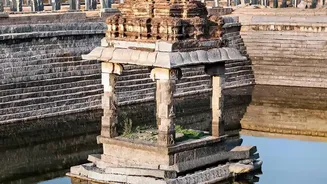
India has a long and rich history of traditional water management. Systems like 'johads' (check dams), 'baolis' (stepwells), and village ponds were designed to capture and store monsoon rains. There is a growing movement to rejuvenate these traditional water bodies. Rainwater harvesting, both at the individual rooftop level and through larger community projects, is a cornerstone of this approach. These methods not only store surface water but also play a critical role in recharging depleted groundwater aquifers, which serve as a buffer during dry periods. Integrating these age-old techniques with modern watershed management provides a holistic defence against drought.
A Coordinated National Effort
Tackling a threat like El Niño requires a coordinated response from the highest levels. The Indian government has initiated several programs, such as the Jal Shakti Abhiyan, to promote water conservation and rainwater harvesting on a national scale. The Prime Minister's Office has reviewed preparedness, directing ministries to work with states to protect agriculture and the economy. Contingency plans are being operationalized, focusing on everything from providing climate-resilient seeds and crop insurance for farmers to ensuring fodder availability for livestock and monitoring drinking water supplies. By combining policy, technology, and community action, India aims to build a protective shield against the impacts of a weak monsoon.