




The Psychology of Frictionless Payments
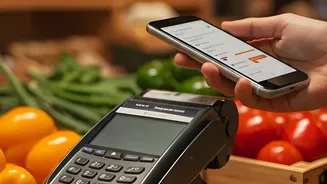
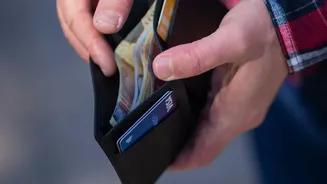
The problem isn’t with UPI itself, but with human psychology. When you hand over a physical ₹100 note, your brain registers a tangible loss, an effect behavioural economists call the 'pain of paying'. This friction creates a natural pause, making you reconsider
the purchase. Digital payments, however, are nearly frictionless. A quick tap or scan feels abstract and disconnected from the financial consequence. Studies have shown that this ease can lead to lower spending awareness and more impulse buying. The transaction is so seamless that it barely registers, turning spending into an invisible habit that only becomes apparent at the end of the month.
How Insignificant Spends Create a Major Leak
A ₹30 coffee, a ₹50 snack, or a ₹100 auto ride feel harmless in the moment. The mind often dismisses these small amounts as insignificant. The danger lies in repetition. That daily coffee becomes ₹900 a month. Those 'just because' online orders add up. Because each UPI transaction is a separate, small event, it's difficult to mentally track the cumulative total. You don't feel like you are overspending because no single purchase is large. Instead, your budget suffers from a thousand tiny cuts, leaving you wondering where your money went when you check your bank balance.
Habit 1: Conduct a Weekly Spending Audit
You cannot manage what you don't measure. The first step toward financial discipline is awareness. Dedicate 15 minutes each weekend to review your UPI transaction history from the past week. Most payment apps provide a detailed list of all your spends. Categorise them (e.g., Food, Transport, Shopping, Bills) to see exactly where your money is going. Seeing the hard numbers—like how much was spent on ordering food versus groceries—is often the wake-up call needed to motivate change. This isn't about guilt; it's about gathering data to make informed decisions.
Habit 2: Use a Secondary 'Spending' Account
One of the most effective ways to regain control is to create a financial buffer. Stop linking your main salary account to your UPI apps. Instead, open a secondary bank account and transfer a fixed weekly or monthly 'allowance' into it for all your discretionary spending. This method essentially creates a digital version of a physical wallet. Once the money in that account runs out, your non-essential spending stops until the next allowance transfer. It forces you to be mindful because you can see your available funds decreasing in real-time, preventing accidental dips into your savings.
Habit 3: Implement a 'Payment Pause'
Micro-spending is often driven by impulse. To counter this, introduce a moment of intentional friction before you pay. When you are about to scan a QR code for a non-essential purchase, simply pause for 10 seconds. Ask yourself: 'Do I really need this right now, or do I just want it?' This brief cooling-off period is surprisingly effective at separating an emotional whim from a genuine need. It reintroduces the moment of consideration that digital payments have removed, giving your rational brain a chance to weigh in.
Habit 4: Leverage App Features for Control
Many modern banking and payment apps have built-in tools designed to help you manage your money. Explore your app's features to see if you can set daily or weekly spending limits. Use expense-tracking functions that automatically categorise your UPI spends. For very small, frequent payments, consider using UPI Lite, which functions as an on-device wallet that you can preload with a limited amount. This contains your micro-spends to a specific fund, preventing them from cluttering your bank statement and draining your main account balance.