



A Tale of Two Tallies
India finished its 2026 Asian Games campaign in fourth place with a total of 85 medals, including 21 gold. While this is the nation's second-highest medal haul ever at the Games, it marks a significant drop from the record-breaking 106 medals won in the previous
edition in Hangzhou. This downturn has prompted a serious review from the Sports Ministry, particularly focused on disciplines that were expected to deliver a bounty of medals but fell short. At the top of that list are athletics and badminton, two sports where national expectations were sky-high but the final results painted a picture of missed opportunities and underperformance.
Athletics: A Sharp Decline
Athletics, traditionally India's highest medal-yielding sport at the Games, faced a particularly harsh reality check. The contingent secured 24 medals in total, a drop from 29 in the previous edition, but the most glaring statistic was the fall in gold medals from six to just one. The lone gold came from the women's 4x400m relay team. Several of India’s top athletes and defending champions failed to replicate their past success. Star runner Avinash Sable, the defending champion in the 3000m steeplechase, finished a disappointing fourth and subsequently pulled out of the 5000m race. Questions were also raised about the fitness of key athletes who travelled to the Games, suggesting that injury management was a significant issue. The overall performance has led to intense scrutiny of the Athletics Federation of India's (AFI) preparation and selection strategies.
Badminton's Courtroom Disappointment
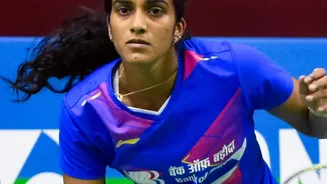
The story was similarly bleak on the badminton courts. The Indian team returned with just a single men's team bronze medal. This is a stark contrast to the historic three medals, including a maiden doubles gold, won at the Hangzhou Games. The biggest shock came when defending men's doubles champions Satwiksairaj Rankireddy and Chirag Shetty were knocked out in the first round of the individual event. Despite a consolatory win against the world champions during the team event semi-final against China, it wasn't enough to propel India to the final. With no players reaching the finals in the individual categories, the performance has been labelled 'very poor' and 'disappointing' by experts, who point to a lack of accountability and systemic issues despite significant financial investment.
The Official Post-Mortem
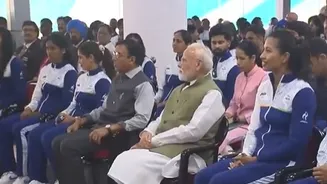
In response to the underwhelming returns, the Sports Ministry convened a high-level meeting with the heads of National Sports Federations (NSFs). Sports Minister Mansukh Mandaviya made it clear that a lack of financial support could no longer be used as an excuse for poor performances. He urged the federations to take responsibility, improve talent identification, and create a broader pool of world-class performers rather than relying on a few established stars. IOA President P.T. Usha also raised concerns about injured athletes being part of the contingent. The ministry's firm message was simple: federations must deliver results on the ground, not just in presentations, especially with the 2028 Los Angeles Olympics on the horizon.
Looking Ahead: Lessons to be Learned
While other sports like archery and shooting had their moments of glory, the failure in two core disciplines has cast a long shadow. The review has highlighted the need for better mental conditioning support, improved sports science integration, and a more robust talent pipeline that doesn't buckle under pressure at major events. The message from the ministry suggests that the era of accepting below-par performances is over. For both athletics and badminton, the road to redemption for the LA Olympics will require an honest and critical self-assessment, focusing on everything from grassroots development to elite player management. The scanner is on, and the path forward demands accountability and, most importantly, results.