




Understanding The Smoke Point
Before picking a side, it's crucial to understand the most important factor in this debate: the smoke point. This is the temperature at which an oil or fat begins to break down, smoke, and release harmful compounds called free radicals. When you're frying,
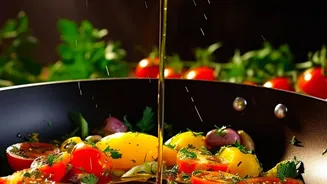
the goal is to keep the cooking temperature below the oil's smoke point. This not only prevents a smoky kitchen and a bitter taste but also preserves the food's nutritional quality. Different cooking methods require different temperatures. A gentle sauté might be around 120-160°C, while deep frying happens at a much hotter 175–190°C. Choosing a fat that can handle the heat of your intended cooking style is the first step towards healthier frying.
The Case For Cold-Pressed Oils
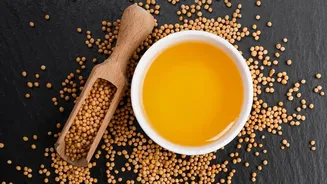
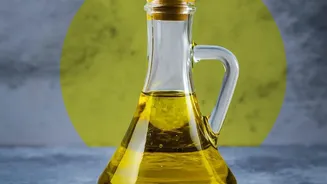
Cold-pressed oils, extracted using mechanical pressure at low temperatures, are celebrated for their purity and nutritional value. This gentle process helps retain natural antioxidants, vitamins, and the distinct flavours of the seeds or nuts they come from, be it groundnut, mustard, or sesame. These oils contain beneficial monounsaturated and polyunsaturated fats. However, their main limitation for frying is their generally lower smoke point compared to refined oils or ghee. While cold-pressed groundnut and mustard oil can have relatively high smoke points (around 230°C and 250°C respectively), others like virgin coconut oil are lower (around 177°C), making them better suited for sautéing or low-heat cooking rather than deep frying. The key is to match the oil to the task; using a delicate cold-pressed oil for high-heat frying can destroy its nutrients.
Ghee's Golden Advantage
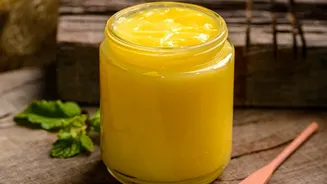
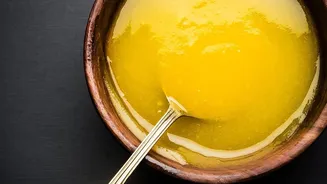
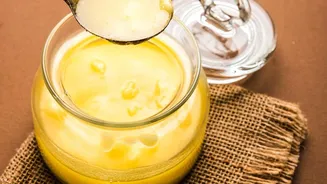
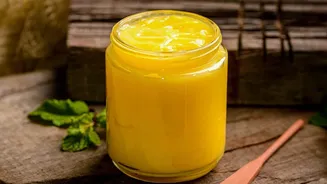
Ghee, or clarified butter, has made a glorious comeback in health circles. Made by simmering butter until the milk solids separate and are removed, what's left is pure butterfat with a high smoke point, typically around 250°C (485°F). This makes it incredibly stable for high-heat cooking, including deep frying pakoras or searing vegetables, without breaking down. Beyond its heat stability, ghee is revered in Ayurveda for its digestive properties and is rich in fat-soluble vitamins like A, D, E, and K. The headline mentions infused ghee, which involves adding aromatics like garlic, herbs, or spices during the clarification process. While this adds a wonderful layer of flavour, it doesn't significantly alter the high smoke point, making it a flavourful and functional choice for the discerning chef.
The Chef's Verdict: Right Fat, Right Job
So, what do urban chefs choose? The consensus isn't about one being universally better, but about using the right fat for the right job. There is no single winner in this culinary showdown. Ghee is the undisputed champion for high-temperature cooking like deep frying and tadka. Its stability and nutty flavour enhance traditional Indian dishes beautifully. Cold-pressed oils shine in low to medium-heat applications. Use cold-pressed groundnut oil for everyday shallow frying, sesame oil for a South Indian-style stir-fry, and mustard oil for its characteristic pungent flavour in specific regional dishes. Delicate, flavourful oils are best used for dressings or as a finishing drizzle to preserve their nutrients and taste. Many chefs advocate for a 'two-oil strategy': a stable, high-heat fat like ghee for frying, and a flavourful cold-pressed oil for everything else.
Beyond The Pan: Healthy Frying Tips
Choosing the right fat is only part of the equation for 'healthy frying'. Temperature control is paramount. Using a kitchen thermometer can help ensure your oil doesn't overheat. Avoid overcrowding the pan, which causes the oil's temperature to drop and leads to greasy, soggy food. Furthermore, it's generally not recommended to reuse cooking oil multiple times. Each time it's heated, its smoke point lowers and harmful compounds can form. If you do reuse ghee or a stable oil, be sure to filter it well and discard it if it smells rancid or looks dark and syrupy. Ultimately, frying should be an occasional treat, and employing these techniques can make it a more wholesome and delicious experience.