


A Sacred Tradition Reimagined
For generations, the immersion of idols has been a poignant and integral part of Hindu festivals like Ganesh Chaturthi. Yet, in recent years, a growing environmental awareness has cast a shadow over celebrations that traditionally used idols made from
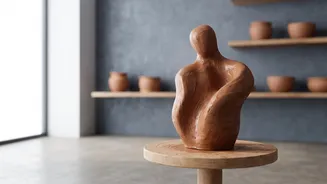
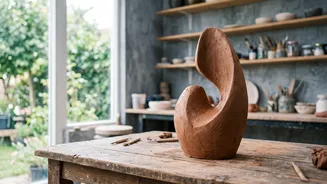
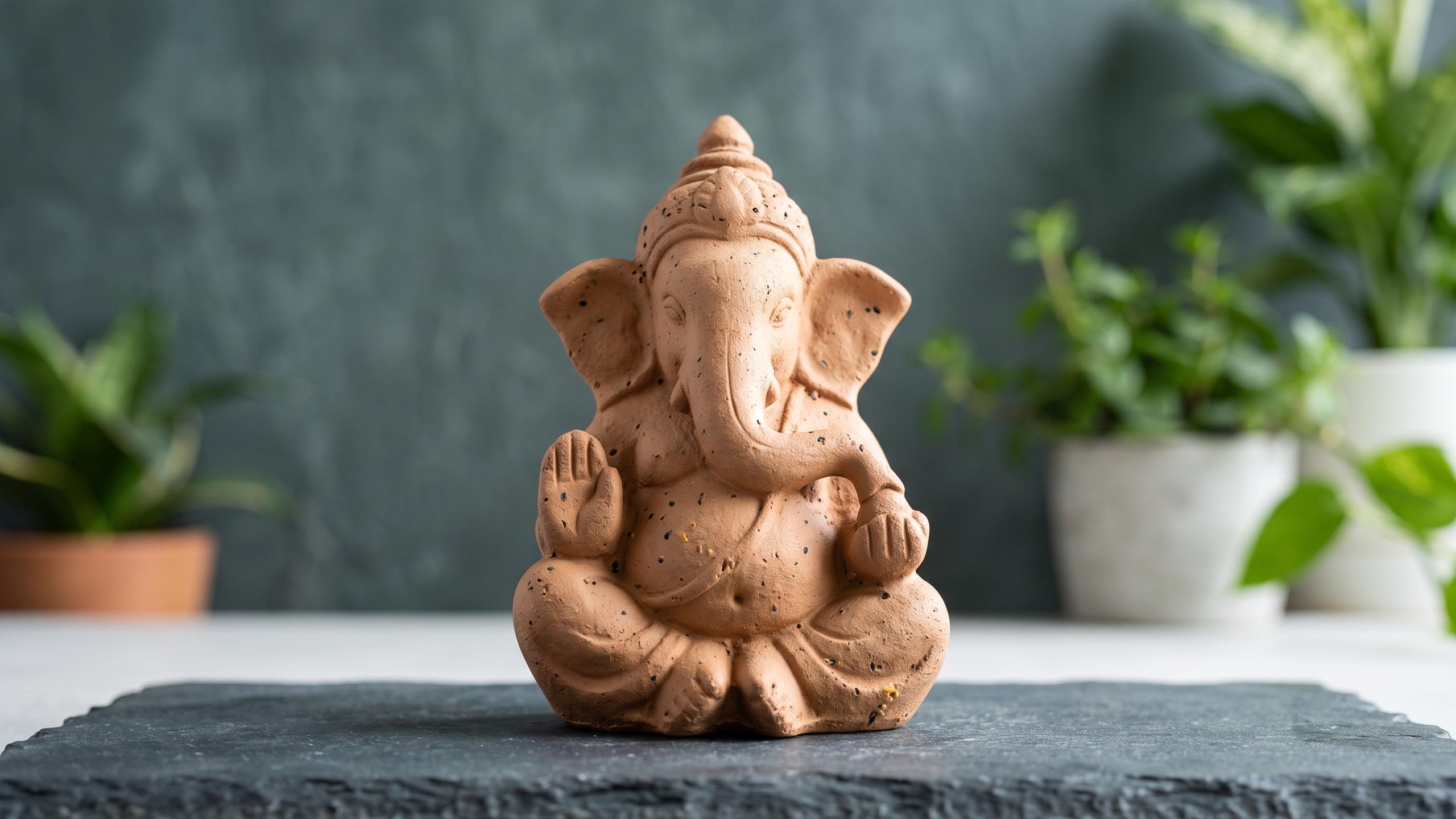
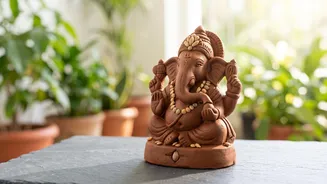
Plaster of Paris (PoP). Enter the eco-friendly clay idol, particularly those embedded with seeds. These are not just substitutes; they are a thoughtful evolution of tradition. Crafted from natural materials like river clay (shadu mati) and painted with natural dyes like turmeric, they are designed to return to the earth without a trace of harm. More than just being biodegradable, these idols carry the promise of new life, transforming a ritual of farewell into one of renewal.
The Hidden Cost of Plaster of Paris
The shift towards eco-friendly options is a direct response to the well-documented damage caused by conventional idols. Plaster of Paris is a non-biodegradable material that doesn't dissolve in water. When immersed, these idols sink to the bottom of rivers, lakes, and seas, where they can remain intact for months, even years, silting up waterbeds. The chemical paints used to adorn them are often worse, leaching toxic heavy metals like lead, mercury, and cadmium into the water. This pollution harms aquatic life, contaminates drinking water sources, and disrupts the delicate ecological balance, turning a sacred act into an environmental hazard.
From Immersion to Germination
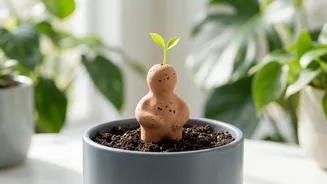
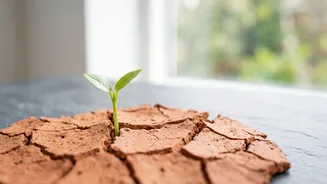
The magic of a seed idol lies in its complete, cyclical journey. Instead of being carried to a crowded water body, the 'visarjan' or immersion ceremony can take place right at home. The clay idol is placed in a pot or a bucket of water, where it dissolves within hours. This sacred water, now enriched with clay, can be used to water the garden. The seeds of flowers or vegetables like tulsi, marigold, or tomato, once nestled inside the idol, are now ready to be planted. The act of devotion doesn't end with immersion; it continues as a family tends to the sapling that sprouts from their beloved deity's blessings. This transforms the idol from a temporary object of worship into a living, growing symbol of life and prosperity.
A Symbol of Conscious Faith
The rising popularity of seed idols goes beyond environmentalism; it touches upon a deeper, more personal connection to faith. For many families, choosing an eco-friendly idol is a statement of their values. It’s a tangible way to teach children about responsibility, the cycles of nature, and the principle of living in harmony with the environment. This choice bridges the gap between ancient rituals and contemporary concerns, proving that tradition does not have to be static. It can evolve to become more meaningful and relevant in today's world. This practice supports local artisans who are reviving traditional clay-working skills, creating a sustainable livelihood that also protects the planet.