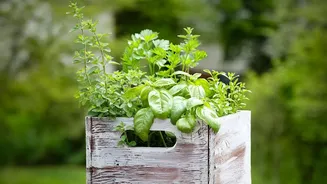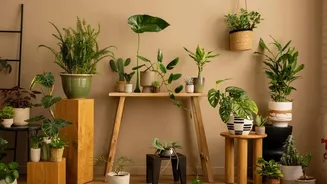



Your Low-Light Balcony Garden Setup
Before you start picking plants, a few basics will ensure success. First, 'low light' doesn't mean 'no light'. Most shade-tolerant herbs still need a few hours of indirect or dappled sunlight each day—a north-facing balcony or a spot that gets only morning
sun is often perfect. In hot Indian climates, this afternoon shade can actually be a blessing, preventing delicate leaves from scorching. Use a good quality potting mix designed for containers, as it will provide the right balance of drainage and water retention. Ensure every pot has a drainage hole to prevent waterlogging, which is a common issue for herbs in shadier, cooler spots where water evaporates more slowly.
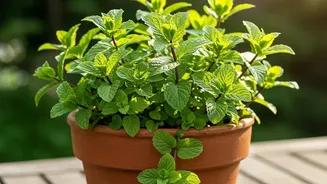
1. Mint (Pudina)
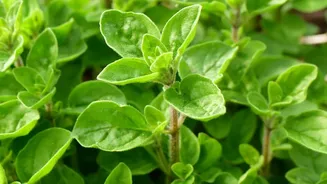
Mint is arguably the most forgiving herb for a shady spot; in fact, it often prefers partial shade over the intense afternoon sun, which can dry it out. It's an incredibly vigorous grower, making it perfect for beginners who want quick results. For Indian kitchens, having fresh pudina on hand for chutneys, raitas, and cool drinks is a game-changer. It's best to plant mint in its own container, as its roots spread aggressively and will quickly take over any pot it shares. Keep the soil consistently moist but not soggy, and trim the tips regularly to encourage a bushier, fuller plant.
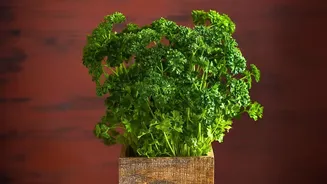
2. Parsley
Both flat-leaf and curly parsley are surprisingly adaptable to lower light conditions. They grow well with just a few hours of morning sun or bright, indirect light throughout the day. Parsley is a staple in many cuisines for its fresh, grassy flavour, used as a garnish or a core ingredient in sauces and salads. It is a slow-growing herb, so be patient and harvest from the outside of the plant to allow the centre to keep producing new leaves. This herb appreciates moist soil, so don't let the pot dry out completely, especially during warmer weather.
3. Chives
If you want a mild, onion-like flavour for your dishes, chives are an excellent choice. They are one of the most low-maintenance herbs and are very tolerant of partial shade. Their slender, grass-like appearance makes them an attractive addition to a balcony garden, and they grow compactly in small pots. You can snip the leaves as needed for sprinkling over eggs, soups, or dals. The plant will regrow quickly. Chives don't require much sunlight and are quite forgiving, making them ideal for beginners.
4. Lemon Balm
As a member of the mint family, lemon balm shares a tolerance for shade and a tendency to grow enthusiastically. It prefers protection from intense, direct sun, which makes a shaded balcony an ideal home. The leaves have a wonderful, citrusy aroma and are perfect for making refreshing herbal teas or adding a lemony twist to salads and fish dishes. It's a hardy plant that adapts well to containers and requires minimal care beyond regular watering to keep the soil moist.
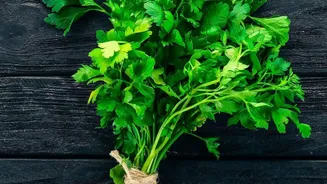
5. Coriander (Dhania)
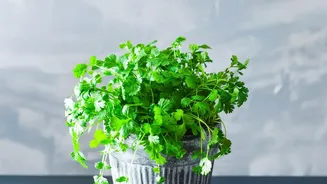
Coriander can be tricky, but its dislike for intense heat actually makes it a good candidate for a balcony with afternoon shade. In the full glare of the Indian sun, coriander tends to 'bolt' (flower and go to seed) very quickly, which stops leaf production. By growing it in a cooler, partially shaded spot, you can often extend your harvest of fresh leaves. It's best grown in cycles; sow a new batch of seeds every few weeks for a continuous supply. Keep the soil consistently moist and use the fresh leaves for everything from garnishing curries to making marinades.