






A Grand Homecoming
At its heart, Durga Puja is a homecoming. For Bengalis across India and the world, it's a powerful call to return to their roots. The festival is mythologically viewed as the annual visit of Goddess Durga to her maternal home on Earth. This narrative
mirrors the real-life journeys of countless people who travel back to Kolkata to be with family, reconnect with old friends, and soak in the familiar sights and sounds of home. This mass migration of the Bengali diaspora, combined with local residents, is the foundational layer of the immense crowds. The city's transport hubs, like its metro and airport, see record passenger numbers, tangible proof of this city-wide reunion.
The City as an Open-Air Art Gallery
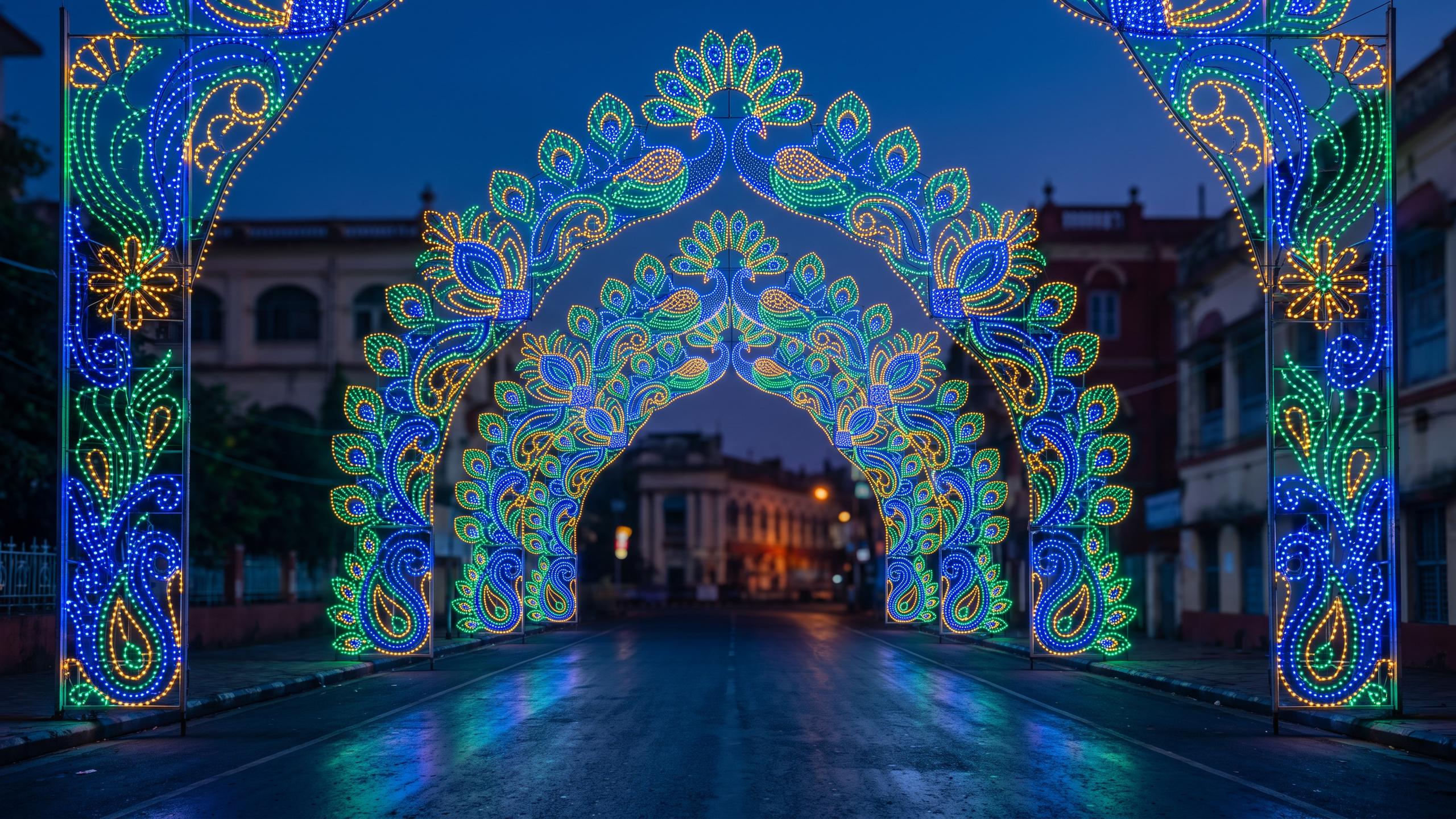
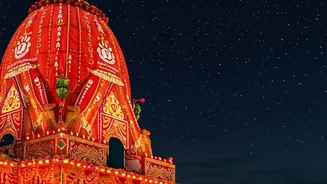
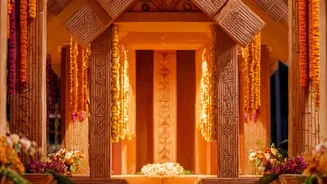
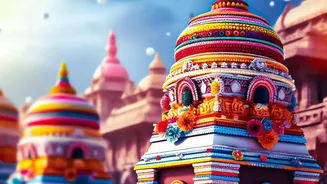
Imagine an entire city turning into a sprawling art gallery for a week. That's Kolkata during Durga Puja. The festival is famous for its 'pandals'—temporary, elaborate structures built to house the idol of Goddess Durga. These are not simple tents; they are magnificent, theme-based installations created by artists and designers. Themes can range from replicas of world monuments and explorations of social issues to abstract artistic concepts. With thousands of these pandals across the city, each vying for creative supremacy, the sheer scale of public art is breathtaking. This artistic spectacle, now recognized by UNESCO as an Intangible Cultural Heritage of Humanity, draws millions of admirers.
The Ritual of Pandal Hopping
The primary activity during Durga Puja is 'pandal hopping'. For five days, the city barely sleeps as crowds of people, dressed in their finest new clothes, travel from one neighbourhood to another, admiring the idols and the pandal art. It's a city-wide cultural tour where the streets themselves become the main event. People walk for miles, stand in long queues, and navigate through a sea of humanity to visit the most famous and innovative pandals. This tradition keeps the city in constant motion, with pedestrian traffic peaking from late evening until the early hours of the morning. There's even a friendly rivalry between the traditional pandals of North Kolkata and the grand, conceptual ones in the South, encouraging people to experience both.
A Culinary Explosion
Durga Puja is also a gigantic feast. Kolkata's legendary love for food reaches a fever pitch during the festival. Streets are lined with temporary food stalls selling everything from traditional Bengali sweets and snacks to Kolkata's famous kathi rolls and biryani. Restaurants offer special Puja menus and stay open late to cater to the pandal-hopping crowds. The community feasts, known as 'bhog', served at many pandals are a major attraction, offering delicious consecrated food to all visitors. This city-wide culinary celebration means that eating out is an integral part of the Puja experience, adding another layer of activity and crowding to the streets.
The Economic Engine of Joy
Beyond the cultural and religious aspects, Durga Puja is a massive economic driver. A 2019 report estimated the creative economy surrounding the festival at over ₹32,000 crore, and more recent estimates suggest it is now significantly larger. This economic boom involves countless artisans who sculpt the idols, craftspeople who build the pandals, electricians for the lighting, and thousands of vendors and small businesses. This surge in commercial activity not only employs a huge number of people but also draws shoppers and tourists into the city, contributing to the overall density and buzz. The festival sustains entire communities for months, making it a critical economic event for the region.