







The Allure of Natural Fibres
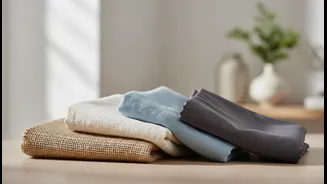
There's a reason why jute and sisal decor have become so popular. These natural materials bring a warm, organic, and bohemian texture to any space, making a house feel more like a home. Sourced from plants, they are biodegradable and often praised for
their eco-friendly credentials. Their classic, woven appearance provides a versatile foundation that complements a wide range of interior styles, from minimalist to rustic. Jute, known for being softer underfoot, is often chosen for bedrooms and living rooms, while the tougher, more durable sisal is a common choice for higher-traffic areas like hallways. This combination of style, sustainability, and texture makes them a go-to for designers and tenants looking to personalise their space.
A Renter's Nightmare: The Moisture Trap
The very quality that makes jute and sisal natural also makes them a liability in certain environments. Both fibres are highly absorbent. This means they soak up moisture not just from direct spills but also from the air itself, a major issue in the humid conditions prevalent across much of India, especially during monsoon season. When these rugs get wet, the fibres swell and can release oils, leading to unsightly brown or dark water stains that are often impossible to remove. Worse, trapped moisture creates a perfect breeding ground for mould and mildew, which can damage the rug's structure, create musty odours, and even pose health risks. For a tenant, this damage is not just an aesthetic problem; it can mean forfeiting a substantial portion of their security deposit.
The Rise of Wet-Resistant Synthetics
Given the risks, many tenant forums and home decor experts are advising a switch to synthetic alternatives, particularly for moisture-prone areas. Materials like polypropylene, nylon, and recycled polyester (PET) are engineered to be non-porous and water-resistant. Unlike natural fibres that absorb and hold water, synthetics allow moisture to sit on the surface, making them far easier to clean and quicker to dry. Polypropylene is especially popular for its durability and resistance to mould, mildew, and fading, making it suitable for both indoor and outdoor use. These materials provide peace of mind in kitchens, bathrooms, balconies, and any home in a humid climate.
Durability, Cleaning, and Peace of Mind
When it comes to maintenance, the difference is night and day. A spill on a jute or sisal rug requires immediate, careful blotting and drying to prevent permanent staining and fibre damage. Cleaning options are limited, as steam cleaning and excessive water can ruin the rug. Synthetic rugs, on the other hand, are celebrated for their easy-care nature. Many stains on a polypropylene rug can be cleaned with simple soap and water. Their fibres are built to withstand heavy foot traffic without breaking down, shedding less than their natural counterparts. This durability makes them a practical, long-lasting, and stress-free investment for busy households, especially those with children or pets.
But Do Synthetics Look as Good?
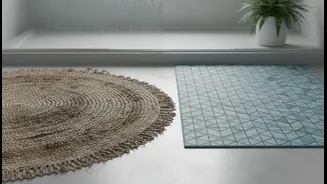
A common concern is that synthetic rugs look 'plastic' or cheap. While this may have been true in the past, manufacturing technology has advanced significantly. Today's synthetic rugs come in a vast array of sophisticated weaves, colours, and patterns, with many designed specifically to mimic the textured, earthy look of sisal and jute. You can find polypropylene rugs with a chunky, woven texture that offers the same visual warmth as a natural fibre rug but without the associated risks. From flatweaves that look like traditional dhurries to plusher options, it's now possible to get the aesthetic you love with the practicality you need.