
A Story in Every Weave
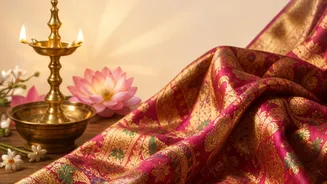
The greatest charm of using an old saree is the story it carries. That Kanjeevaram that belonged to your mother or the Banarasi from your own wedding trousseau is imbued with memories. When you repurpose these textiles into drapes, you are not just decorating
a window; you are framing your home with a piece of your family's history. This element of personal heritage is something no off-the-shelf designer curtain can ever replicate. It brings an unparalleled warmth and emotional depth to your decor, making your space truly your own. Each time the light filters through the fabric, it’s a gentle reminder of the moments and people that are woven into your life.
The Inherent Luxury of Silk
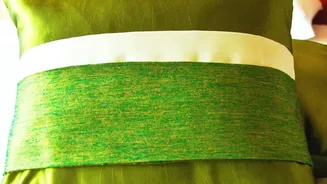
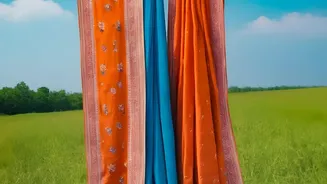
There's a reason why silk is synonymous with luxury. The fabric has a natural, lustrous sheen that catches and reflects light beautifully, adding an immediate sense of opulence to any room. When used as drapes, the material's soft, fluid structure allows it to fall in graceful, elegant folds. This beautiful drape and pooling effect is a hallmark of high-end, custom window treatments. The rich colours and intricate weaves—be it a shimmering brocade or a classic Mysore silk—act as a statement piece, creating a stunning visual focal point. The result is a look that is both sophisticated and deeply rooted in Indian craft traditions.
Achieving True Exclusivity
The essence of a 'custom designer look' is its uniqueness. By upcycling a saree, you are creating a one-of-a-kind decor item that is exclusive to your home. You can choose a saree whose colours and patterns perfectly complement your existing decor. Perhaps you'll use the heavily patterned 'pallu' as a dramatic border or create a mix-and-match patchwork effect with several sarees. This level of personalisation ensures that your drapes are not just another mass-produced item but a thoughtful design choice. It is this intentionality and distinctiveness that elevates the final look from simply decorative to truly designer.
Choosing the Right Saree
While the idea is romantic, it is also practical. Not every saree is suitable for becoming a curtain. Heavy silk sarees like Banarasi or Kanjeevaram work beautifully for festive drapes due to their richness and structure. Lighter silks, chiffons, or georgettes can be used to create sheer, light-filtering curtains that add a soft glow to a room. It's best to avoid sarees with very heavy, dense embroidery or beadwork, as the weight can pull on the fabric and cause it to tear over time. Always check the saree for any weak spots or damage before you begin the transformation. The strongest parts of the fabric should be used for areas that will bear weight.
Practical Tips for Transformation
To ensure your saree drapes hang beautifully, a few practical steps are key. Adding a cotton lining is highly recommended. This not only protects the delicate silk from fading in the sun but also adds weight, helping the curtain to fall more gracefully and giving it a more substantial, luxurious feel. A standard saree is long enough to be used as a full-length drape for most doors and windows. When getting it stitched, ensure your tailor creates a proper channel at the top for the curtain rod. For care, remember that silk is a delicate fabric. It should be dry-cleaned or very gently hand-washed in cold water with a mild detergent and dried in the shade to preserve its colour and sheen.