



Understanding the Retreating Monsoon
The end of the monsoon isn't an abrupt stop; it's a gradual withdrawal known as the retreating or northeast monsoon, primarily occurring between October and December. While northern India sees clearer skies and dropping humidity, the southern peninsula,
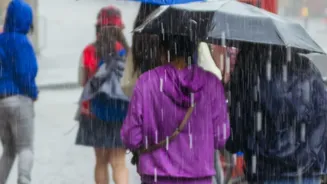
particularly Tamil Nadu and coastal Andhra Pradesh, receives significant rainfall during this time. This process is slow, starting in the northwest in September and only leaving the southern tip by December. For travellers, this means weather conditions can vary drastically from one state to another. A sunny, dry day in Rajasthan could coincide with heavy showers in Chennai. Even as the main monsoon withdraws, sudden rain alerts can be issued for various states, highlighting the unpredictable nature of this season.
Cyclone Watch: A Post-Monsoon Reality
October and November are not just for pleasant weather; they also mark the second of India's two peak cyclone seasons. The Bay of Bengal is particularly active, generating about four to five times more cyclones than the Arabian Sea. These systems can bring devastating winds and torrential rain, primarily affecting coastal states like Odisha, West Bengal, Andhra Pradesh, and Tamil Nadu. While the India Meteorological Department (IMD) has advanced warning systems, travellers heading to eastern or southeastern coastal areas must remain vigilant. Before and during your trip, check the IMD website for any cyclone alerts or warnings for your destination. An active cyclone can disrupt flights, trains, and local transport for days, even if it doesn't make direct landfall where you are.
Beyond Rain: Floods and Landslides
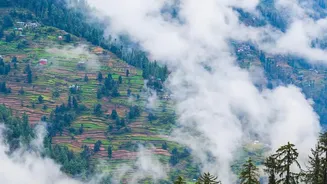
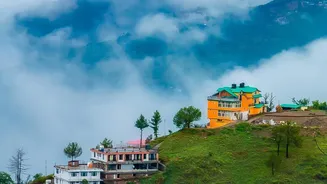
Even after the heaviest rains have passed, the danger isn't over, especially in hilly and mountainous regions. The soil, saturated from months of monsoon, remains vulnerable to landslides. Areas in the Himalayas, like Uttarakhand and Himachal Pradesh, and the Western Ghats are particularly at risk. Similarly, plains and low-lying areas can still experience localised flooding from late-season downpours or overflowing rivers. Before embarking on road trips, especially to hill stations or remote areas, it is critical to check local news and official advisories for road closures, landslide warnings, and flood alerts. Some national parks may also remain closed until mid-October due to the preceding monsoon.
The Air You Breathe
In northern India, the post-monsoon period brings a different kind of weather concern: deteriorating air quality. As the monsoon rains subside, which help wash pollutants from the air, factors like reduced wind speed, agricultural stubble burning in neighbouring states, and festive fireworks contribute to a sharp rise in air pollution. Cities like Delhi often see their Air Quality Index (AQI) move into the 'poor' or 'severe' categories starting in October. If your travels include the Indo-Gangetic plain, it's wise to monitor the AQI. This can be as important as checking the temperature, especially for children, the elderly, or anyone with respiratory conditions. Apps and websites provide real-time AQI data for major cities.
Your Go-To Weather Sources
For the most accurate and localised information, rely on official Indian sources. The India Meteorological Department (IMD) is the government's primary agency for weather forecasting, providing detailed bulletins, cyclone warnings, and rainfall predictions on its website. The IMD also has an app called 'Mausam', which offers forecasts and alerts in multiple Indian languages. Other private platforms like Skymet Weather also provide detailed forecasts tailored to the Indian subcontinent. While global weather apps are convenient, they may not capture the specific nuances of microclimates and retreating monsoon patterns as effectively as these dedicated local services.