






Your Vehicle's Health Check
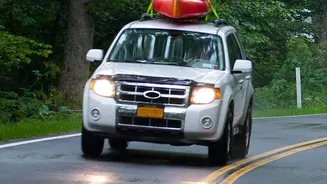
Your car is your primary defence against treacherous, rain-slicked roads. A few days before your trip, conduct a thorough inspection. Start with the tyres, your only connection to the road. Ensure they have adequate tread depth, at least 3mm, to prevent
hydroplaning. Also check the pressure in all four tyres and the spare. Next, test your brakes; wet roads significantly increase stopping distances. If they feel spongy or make noise, get them checked immediately. Wipers are just as vital for clear visibility, so replace them if they leave streaks. Finally, confirm all your lights are working—headlights, taillights, brake lights, and indicators. They help you see and, crucially, help others see you.
Plan Your Journey and Route
Spontaneity is a thrill, but not when driving into the mountains during heavy rain. Always check the latest weather forecasts and local road advisories before you leave. Heavy downpours can trigger landslides and flash floods, leading to sudden road closures. If severe weather is predicted, it's safest to postpone your journey. Plan to drive only during daylight hours, as visibility drops sharply at night. Inform a friend or family member about your intended route and estimated arrival time. While mapping your trip, have a backup route in mind. Avoid shortcuts on unpaved or poorly maintained roads, which become extremely dangerous in the rain.
Driving Techniques for Wet Ghats
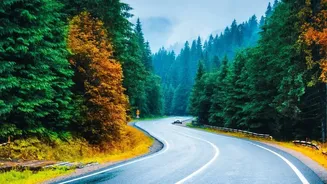
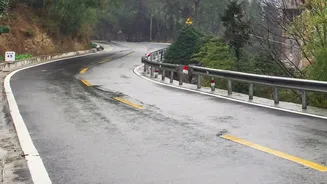
Mountain driving demands a different approach, especially in the rain. Always use a lower gear when driving on steep descents to utilize engine braking; this prevents your brakes from overheating. Maintain a reduced speed and increase your following distance from the vehicle ahead to give yourself more time to react on slippery surfaces. Be gentle and consistent with your controls—avoid sudden acceleration, hard braking, or sharp turns. When navigating waterlogged patches, try to gauge the depth first by observing other vehicles. Drive slowly and steadily through the water in a low gear with higher revs to prevent the engine from stalling. Never use cruise control in the rain, as it can worsen a hydroplaning situation.
Watch for Landslide Warning Signs
Landslides are a significant danger in hilly areas during the monsoon. Be hyper-vigilant and watch for warning signs. Listen for unusual sounds like trees cracking or boulders knocking together. Be alert for changes in the landscape, such as small slides, progressively leaning trees, or new cracks appearing on the road surface. If you see a few small rocks tumbling across the road, it could be a precursor to a larger slide. Debris flows can move with immense force and speed, so your awareness is critical for safety.
What to Do If You Get Caught in a Landslide
If you are caught in a landslide while in your car, your immediate actions are crucial. The safest option is often to stay inside your vehicle, as it provides a protective structure. If you have a clear path away from the slide, try to steer towards an open area, but avoid the downhill side of the road. If you are trapped, turn off the engine, curl into a ball, and protect your head. Your car is a larger target for rescue teams to spot. Only exit the vehicle if it becomes more dangerous to stay inside, for example, if it's sinking in mud or water. Be cautious of downed power lines, as electricity can travel through wet ground.
Pack an Essential Emergency Kit
Even with meticulous planning, things can go wrong. A well-stocked emergency kit is non-negotiable. Your kit should include a first-aid kit, a powerful flashlight with extra batteries, basic tools, and jumper cables. Pack high-energy snacks and plenty of drinking water in case you get stranded. A tow rope, tyre inflator, and puncture repair kit can be lifesavers. Also include a reflective vest and rain ponchos. Having these items readily accessible can make a significant difference in a difficult situation.