








The Shift from Reaction to Prevention
For generations, the rainy season meant an annual spike in coughs, colds, and more serious water-borne diseases like typhoid and cholera. The response was often reactive: visit a doctor after falling ill. Today, a significant shift is underway. More and more people
are adopting a preventative mindset, viewing monsoon health not as a series of emergencies, but as a period requiring a dedicated lifestyle strategy. This proactive approach involves understanding how the season affects the body and making conscious changes to diet, hygiene, and daily routines to build resilience before illness can strike. High humidity slows digestion and creates a breeding ground for germs, making this planning essential.
Your Monsoon Kitchen Overhaul
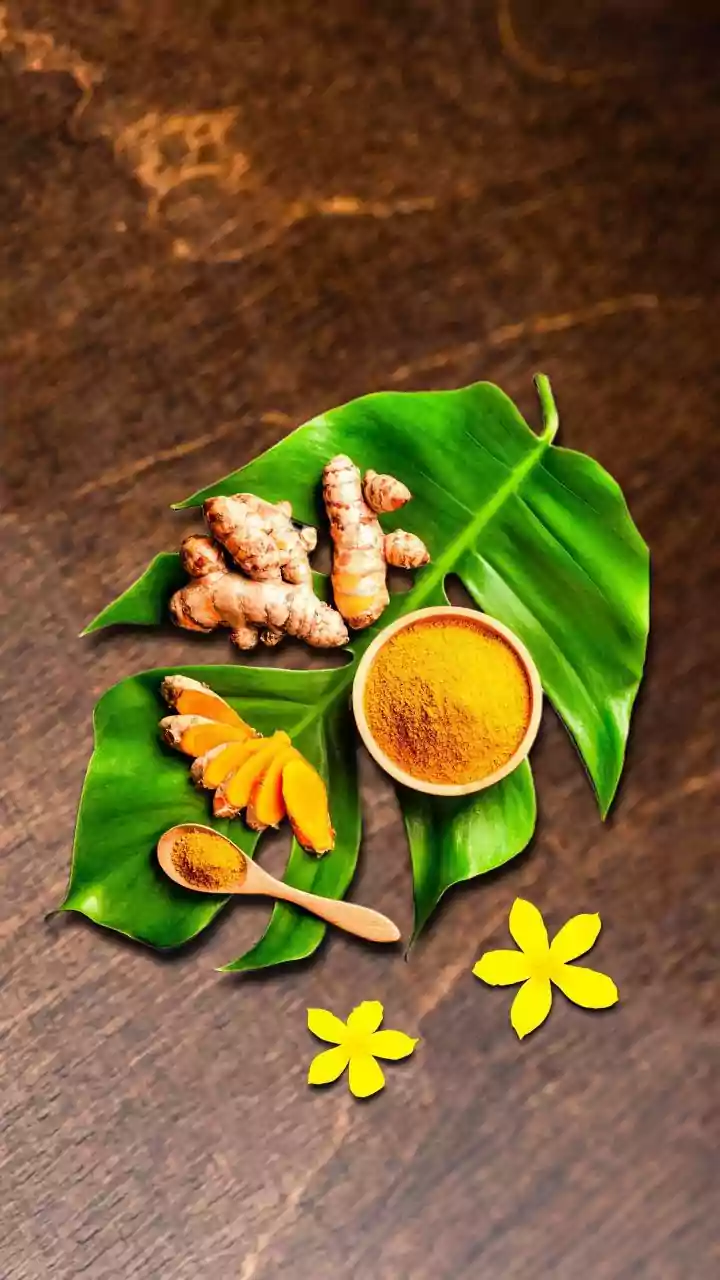
According to both modern nutrition and ancient Ayurvedic wisdom, digestion is weaker during the monsoon. Therefore, your diet needs a seasonal adjustment. The core principle is to favour warm, light, and freshly cooked meals. Heavy, oily, and fried foods, including street food favourites, should be limited as they are harder to digest and carry a higher risk of contamination. Instead, focus on incorporating immunity-boosting spices like turmeric, ginger, and black pepper into your cooking. Opt for seasonal vegetables like bottle gourd and bitter gourd, and fruits such as pomegranates, apples, and pears. Experts also advise avoiding raw salads and leafy greens, as they can harbour germs in the damp conditions. Hydration is key, but it's best to stick to boiled, filtered, or warm water and herbal teas.
Fortifying Your Body's Defences
A strong immune system is your best defence against seasonal infections. Beyond diet, certain lifestyle habits can significantly boost your body's resilience. Regular, moderate exercise improves blood circulation and strengthens immunity, even if it means shifting your workout indoors to avoid the rain. Getting adequate sleep is also crucial, as this is when your body recovers and repairs itself. Many people turn to traditional Ayurvedic practices, such as consuming Chyawanprash or drinking 'kadha' (a herbal concoction), to bolster their defences. Including Vitamin C-rich foods like amla and citrus fruits can also help enhance your immunity.
Creating a Safe Home Environment
Preventing illness is as much about your surroundings as it is about what you put in your body. The monsoon creates ideal breeding grounds for mosquitoes, which transmit diseases like dengue and malaria. It's critical to eliminate stagnant water in and around your home—in coolers, plant pots, and open containers. Using mosquito nets and repellents provides an additional layer of protection. Inside the home, high humidity can lead to fungal growth. Ensure your living spaces are well-ventilated, and dry any damp clothes or walls promptly. Maintaining impeccable personal hygiene, like washing hands frequently and keeping feet dry, can prevent a host of skin and fungal infections that are common during this season.
Mindful Routines for Rainy Days
Finally, integrating small, mindful habits into your daily routine can make a big difference. Change out of wet clothes immediately to avoid catching a chill or developing fungal infections. Pay extra attention to foot hygiene, especially if you've walked through puddles. When it comes to clothing, ironing damp clothes can help kill residual germs. Even your daily bath can be enhanced by adding a few drops of an antiseptic liquid. These small but consistent actions, when combined, form a comprehensive lifestyle plan that allows you to enjoy the beauty of the monsoon without compromising your health and well-being.