




Immediate Relief: Low-Cost Cooling Hacks
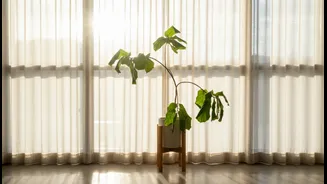
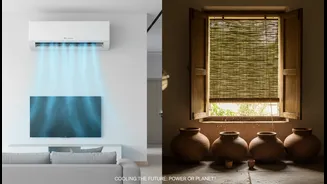
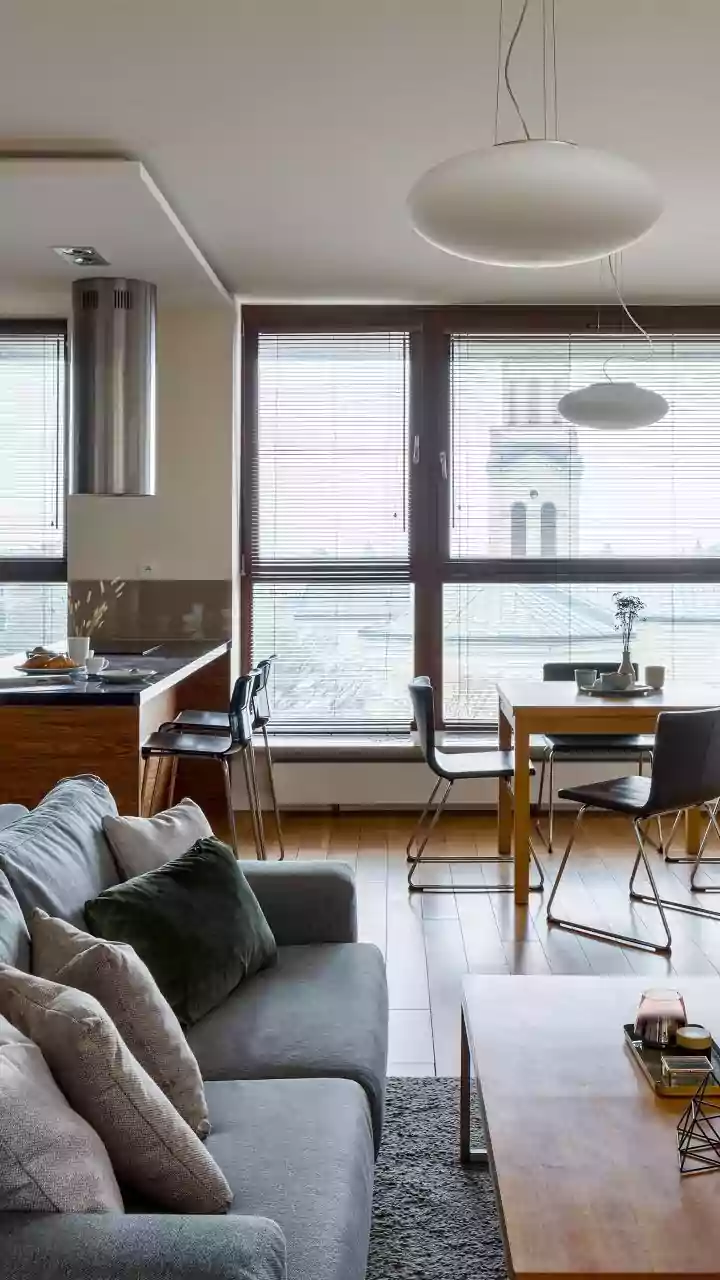
When temperatures soar, quick and inexpensive measures can provide immediate relief. One of the simplest tricks is to manage your windows strategically: keep them shut and covered with curtains or blinds during the hottest parts of the day to block solar
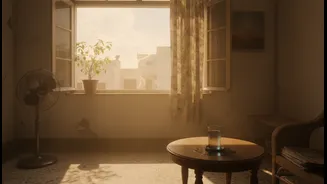
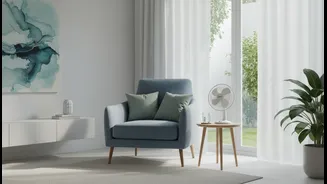
heat. Once the evening air is cooler than the temperature inside, open them to encourage cross-ventilation. You can also create a DIY air cooler by placing a bowl of ice in front of a table fan; as the ice melts, the fan will circulate a cooler, misty breeze. For personal comfort, drink plenty of fluids like water, buttermilk, or lemon water, and wear loose, light-coloured cotton clothing. Taking cool showers can also help lower your body temperature.
Smart Strategies for Renters
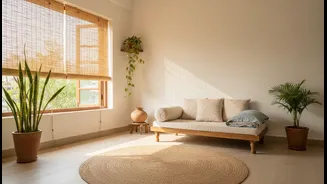
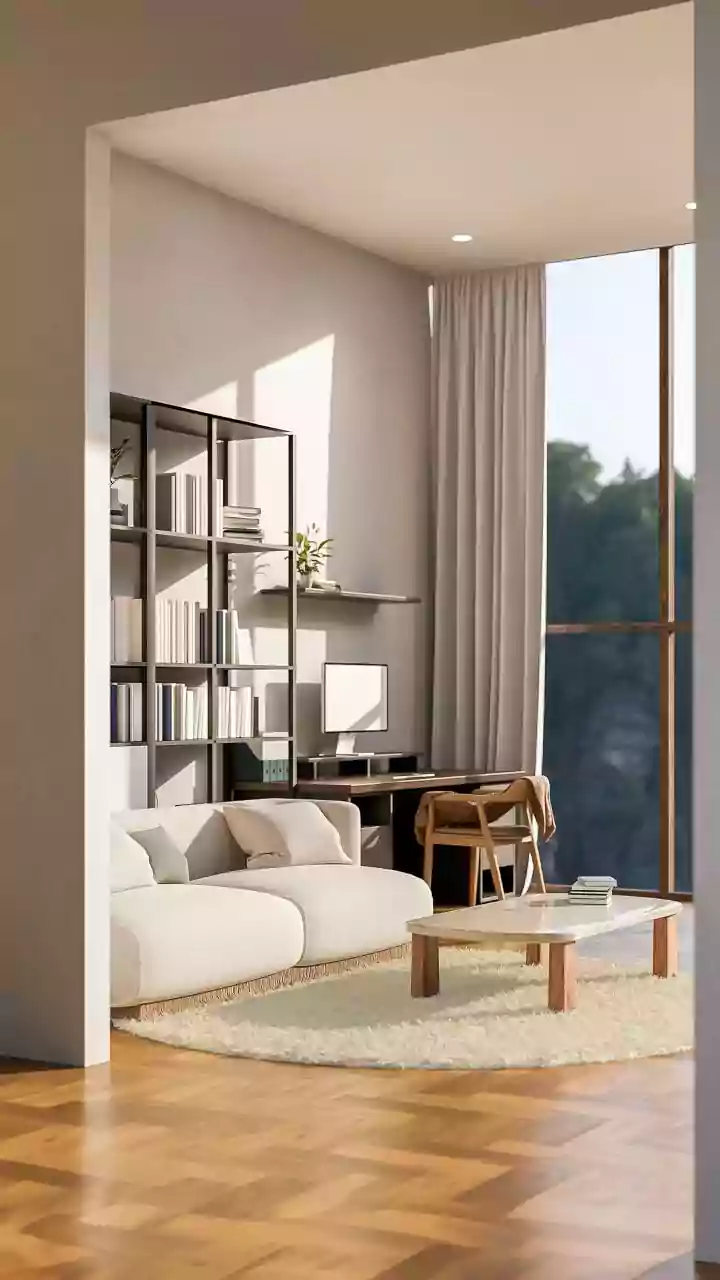
Renters often face restrictions on permanent modifications, but there are still many effective, non-structural ways to cool a home. Investing in heavy, blackout curtains or solar-reflective window films can significantly reduce the amount of heat entering through glass panes. Place houseplants like peace lilies and snake plants near windows; through a process called transpiration, they release moisture and can help cool the surrounding air. Ensure your ceiling fan is spinning counter-clockwise in the summer, which pushes cool air downwards, creating a wind-chill effect. It's also wise to unplug electronics when not in use and avoid using the oven during peak heat, as these appliances generate significant ambient warmth.
Long-Term Investments for Homeowners
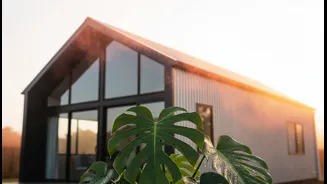
For homeowners, investing in long-term solutions can lead to sustained comfort and lower energy bills. One of the most effective strategies is improving the roof. Applying a solar-reflective white paint or installing cool roof tiles can reduce heat absorption by up to 30%, lowering indoor temperatures by several degrees. Proper insulation in the walls and roof is another crucial step, as it prevents external heat from penetrating the house. Planting deciduous trees on the west-facing side of your property can provide essential shade during the summer while allowing sunlight in during winter. Other architectural features inspired by traditional Indian homes, such as verandas, deep overhangs (chajjas), and latticed screens (jaalis), are excellent for blocking direct sun while maintaining airflow.
Understanding and Preventing Heat Stress
Recognizing the signs of heat-related illness is critical for every family. Heat exhaustion can manifest as dizziness, heavy sweating, nausea, and headache. If someone shows these signs, they should be moved to a cool place immediately, given water to sip, and cooled down with damp cloths. Heatstroke is a more severe medical emergency, with symptoms including a high body temperature, confusion, and possibly fainting. In such cases, medical help should be sought immediately. Government advisories stress the importance of staying hydrated even before you feel thirsty and avoiding strenuous activity between noon and 4 p.m. Vulnerable individuals, including children, the elderly, and those with chronic health conditions, require special attention during heatwaves.